Can Dogs See In The Dark? A Night-Walk Safety Guide For Apartment Dog Owners
Apartment living doesn’t mean skipping night walks with your dog, but it’s totally normal to wonder how well your pup can actually see after sunset. I’ve spent plenty of late evenings pacing city sidewalks with my own dog, and the way they find their way around low-light spaces always leaves me a bit impressed. If you’re curious about what your dog can see at night and want to keep your buddy safe during nighttime strolls, you’ll find plenty of practical info and some handy safety tips here.
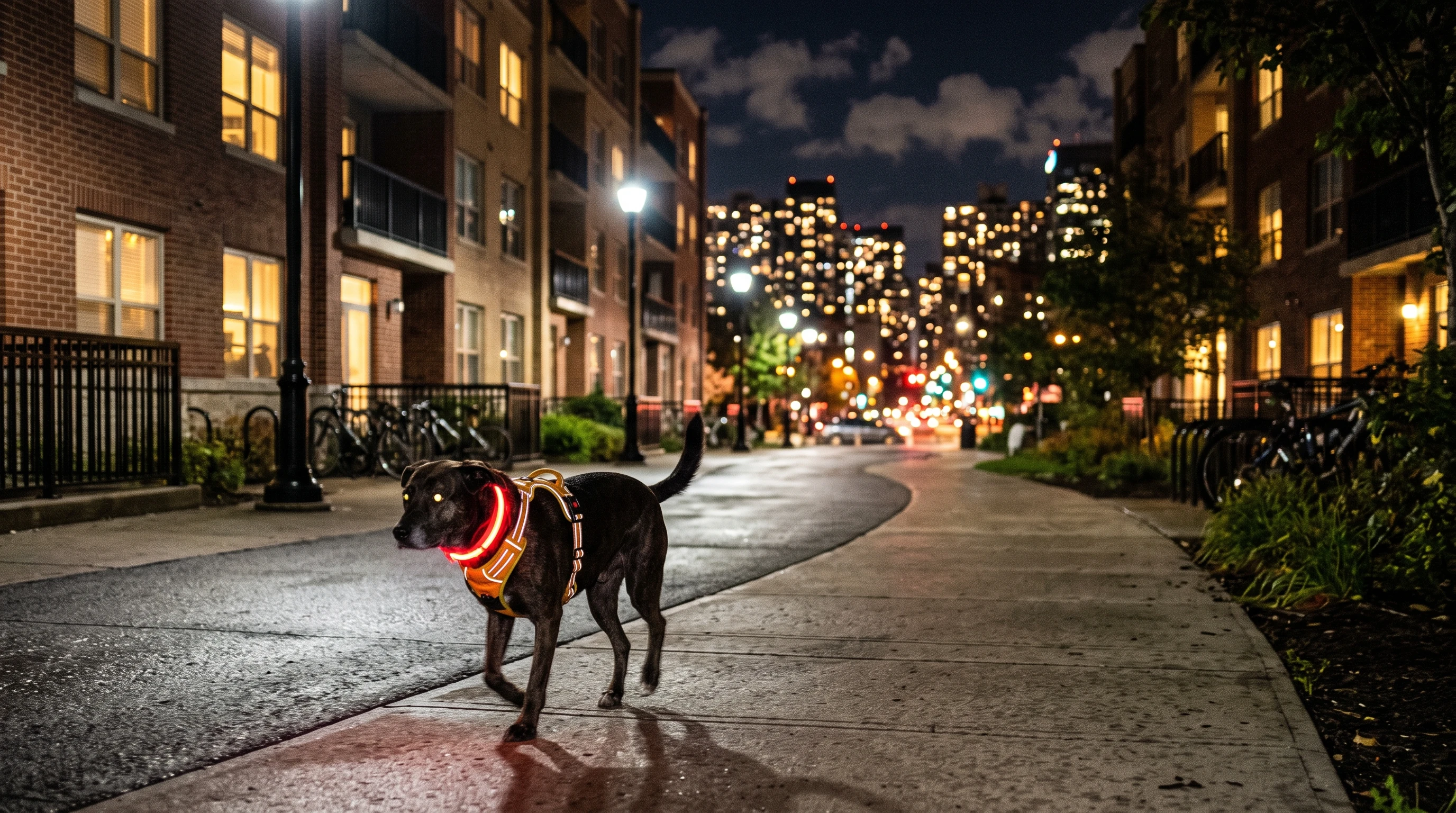
How Well Can Dogs See in the Dark?
Dogs definitely have the edge over us when it comes to moving around in dim lighting. They’re not able to see in complete darkness—no animal really is—but they can see much better than we can in low-light situations. On a moonlit evening or under street lamps, dogs can recognize shapes and spot movements we might easily miss. In pitch-black conditions, dogs are just as visually blank as humans.
It all comes down to the way dog eyes are built. Their eyes are designed for dusk and dawn conditions, not just bright daylight or absolute darkness. So, if you’re walking your dog at night around your apartment complex, chances are they’re not stumbling over curbs or missing that squirrel darting across the sidewalk.
It’s easy to assume apartment lighting is enough for your dog, but outdoor lamps and reflected city lights allow your dog to spot all sorts of motion and shapes that are lost to the human eye. Many owners are often amazed by their dog’s ability to find treats or toys during evening play sessions, showing just how sharp their low-light vision is.
Why Is Dog Night Vision Better Than Ours?
The secret to a dog’s solid night vision is tucked inside their eyes. They have way more rod cells (these are specialized cells in the back of the eye that detect light) than humans. This means even the smallest bit of light gets magnified and helps them see shapes and motion in conditions too dim for us.
Dogs’ eyes are also a bit larger in proportion to their heads compared to human eyes. Bigger eyes allow them to gather more ambient light, which is super helpful at dusk or in soft lighting around an apartment complex after dark. If you look closely, you’ll often notice that your dog’s pupils seem to get huge at night; that’s their body making the most of whatever light is available.
The real night-walk game-changer is something called the tapetum lucidum. This is a reflective layer behind the retina that acts kind of like a mirror, giving incoming light a second chance to hit the rods. That’s why, when headlights or a flashlight catch your dog square in the eye, you’ll see that glowing eyeshine. It’s basically your dog’s built-in night vision booster. Learn more about dog vision from the American Kennel Club.
Why Do Dogs’ Eyes Glow at Night?
That glowing effect, called “eyeshine,” is thanks to the tapetum lucidum. It’s not the sign of an eye problem; in fact, it means their night vision is working well. The reason you might see different colors when the light bounces off their eyes comes down to breed and eye structure. Some dogs reflect gold or greenish eyeshine, while blueeyed breeds (like Huskies) might show more of a red or orange tint.
If you ever notice cloudiness, odd discharge, or your dog’s eyes seem painful (not just glowing), that could be something else and is worth getting checked by a vet. But the glow alone isn’t a reason to worry.
What Do Dogs Notice on Night Walks?
Dogs don’t rely only on their eyes for those nighttime strolls. Their ability to detect even the faintest movement is actually better than their ability to see objects in detail. Spotting silhouettes, moving shadows, or even small animals in the bushes is something most dogs handle with ease after sunset. In fact, you’ll often see your dog pausing and sniffing at spots that look empty to you, but their senses are picking up hidden stories.
- Movement and Contrast: Dogs pick up on motion way before we do, especially when there’s even a little bit of ambient light. Contrasts, like a squirrel darting against a lighter sidewalk, stand out for them.
- SuperSensitive Smell: Their nose sometimes “sees” more than their eyes. Lots of the time, your dog will notice something long before you do because they’ve caught a whiff even if it’s out of sight.
- Acute Hearing: Dogs hear the subtle rustle of leaves, scurrying paws, or the distant click of porch lights. These sounds are part of how they get a sense of what’s going on around them.
Even with these impressive senses, sudden objects, racing bikes, or an unfamiliar stroller can still take a dog by surprise at night, especially if you’re sticking to new routes or unlit areas. Being aware of your surroundings and your dog’s reactions can really help prevent spooked moments or unexpected pulls on the leash.
Why Does My Dog Bark at “Nothing” in the Dark?
Nighttime barking at apparently empty corners is something a lot of apartment dog owners know all about. The truth is, your dog’s barking rarely targets “nothing.”
- Distant Movement: That flicker at the edge of the parking lot or movement behind a bush could spark their curiosity or alarm, long before you’re even aware of it.
- Wildlife: Raccoons, stray cats, or even bats around apartment complexes can trigger plenty of barking, even if you barely notice them.
- Shadows and Unfamiliar Shapes: Trash bags, lawn chairs, or small trees can all look odd and menacing in low lighting, and dogs can react to these new shapes out of caution.
- Smells and Sounds: Residual smells, unfamiliar footsteps, or car doors closing are enough to catch your dog’s attention or put them on alert.
- Fear or Reactivity: Some dogs are just naturally more sensitive at night, making them jumpy or easily startled.
Sticking to familiar routes and keeping your dog leashed can tone down those startled, noisy moments. Taking the same paths reduces the number of new shadows and unexpected scents or sounds that can provoke barking.
Night-Walk Safety Tips for Apartment Dogs
Keeping your nighttime walks fun and safe is all about preparation and making smart choices. Here’s how I keep things low-stress and highly visible:
- Stick to a Fixed Length Leash: I find retractable leashes a little risky at night. Solid, fixed length leashes help control your dog if surprises pop up.
- Boost Visibility: Add a reflective harness, a lightup or LED collar, and extra reflectors to both you and your pup. Reflective strips on jackets work too. It helps drivers, cyclists, and other walkers spot you no matter how dark it gets.
- Watch for Hazards: Uneven sidewalks, potholes, or icy patches around apartment buildings can be tricky to see after dark. I use a small flashlight clipped to my keys for this.
- Introduce New Routes During Daylight: If you want to explore a new path, try it during the day a few times so neither of you is surprised by unexpected obstacles at night.
- Keep Identification Updated: Nighttime is when dogs are most likely to get startled and slip a collar. Make sure your dog’s microchip info and ID tags are always current just in case they get loose.
Additionally, remember that other pedestrians might not see your dog easily, especially if they’re smaller breeds or have darker coats. Outfitting yourself with a safety vest or wearing light colors can help you both stand out during those after-sunset walks.
Signs Your Dog Might Have Vision Issues at Night
Most healthy dogs get around pretty well after sunset, but sometimes hesitation at night is a clue to a developing vision problem. Here’s what I watch for:
- Bumping into corners, fences, or parked cars more often
- Reluctance to use stairs, curbs, or enter shadowy hallways
- Sudden skittishness or anxiety when leaving the apartment at night
- Noticeable cloudiness or redness in the eyes
- Squinting, pawing at eyes, or unusual discharge
If any of these signs pop up, a vet eye exam is worth scheduling. Early treatment helps keep walks safe and your dog happy, and that’s always worth a quick trip to the doc.
Vision issues can make night walks stressful or even dangerous for dogs. For seniors or pups already struggling with their sight, try bringing along a familiar toy that makes noise or keeps them focused on you, rather than the dark.
Products That Make Nighttime Dog Walks Safer
There are a few simple gadgets I swear by when walking my dog after dark. Here are some affordable Amazon picks worth checking out for extra peace of mind:
- Reflective Dog Harness: Wraps around your dog and adds a ton of visibility with sewn-in reflectors.
- LED Collar Light: Snaps on your dog’s collar. Super easy and rechargeable.
- Reflective Leash: A leash with reflective strips makes your whole team shine in headlights.
- Rechargeable Flashlight: Slim, USB friendly flashlights fit in any pocket or clip to a leash handle.
- Motion Sensor Night Light: If you need to take your dog out through dark hallways or stairwells, these are really handy to install near doors or staircases.
- Indoor Stair Gate: For senior dogs or those losing some night vision, a stair gate can keep them safe inside after sunset.
- Illuminated Dog ID Tag: Glows or flashes to help you spot your dog (and share your contact info) if they wander off.
If you’re shopping for your next night walk, adding even just one of these will give things a whole lot more safety and make your evenings a breeze. It’s a small investment for a big peace of mind boost, especially when you and your dog head out for those apartment complex adventures after dark.
Supporting FAQs
Can puppies see in the dark?
Puppies take a little while for their vision to fully develop, and young pups are actually a bit more nearsighted than adults. They do have good lowlight vision once they’re a few months old, but older puppies still need a little extra supervision at night. Always be patient, and don’t rush your puppy on unfamiliar evening walks until they get more confident.
Can senior dogs lose their night vision?
Older dogs often start to lose night vision due to aging changes like cloudiness or cataracts. If your senior dog hesitates more on night walks or seems nervous, it never hurts to get their eyes checked. Brightening up key spots in your apartment with low-level nightlights can make nighttime navigation much easier for seniors.
Do dogs see better than cats at night?
Cats have the advantage when it comes to true night vision. Dog vision is strong in low light, but felines take the win when it’s extra dim. Still, compared to humans, dogs really hold their own in the dark and find their way around just fine.
Should I leave a light on for my dog at night?
If your dog is older, losing vision, or seems uncertain moving around at night, a small nightlight in busy areas (like living rooms or near water bowls) is a thoughtful addition. Most healthy young dogs don’t really need the extra light, but it doesn’t hurt, and it can be comforting as well as practical. Making your dog comfortable and safe indoors at night is always a good idea—for both young and old pups.
