Your New Dog’s First Seven Days at Home, Day by Day
Bringing a dog home makes you feel like everything needs to happen at once: the vet, the routine, the training, the bonding, the right food, the right bed. It doesn’t. The first week with a new dog goes better when each day has one main job and everything else waits. This plan gives you that job for each day, plus a list of what to leave alone.
It works for a puppy or an adopted adult, and it works whether one person is home all day or a busy family is sharing the load. Where the two differ, I’ll point it out.
Before you walk through the door: the short list that actually matters
A new dog needs very little on the first day. A few things are worth having ready, and the rest can wait until you see what your dog actually uses.
- A collar or harness with an ID tag. A new dog in an unfamiliar place can bolt through a door or slip a loose collar.
- A leash. A standard six-foot leash is easier to manage than a retractable one while you’re both learning.
- Food and water bowls. Stainless steel or ceramic are easy to wash.
- The same food your dog has been eating. Ask the shelter, rescue or breeder what it is and how often your dog eats.
- A bed or crate. Choose one place where your dog will sleep.
- A few chew toys. These give your dog something acceptable to chew from the first day.
- Poop bags and an enzyme cleaner. Accidents will happen, and enzyme cleaners break down the odor so your dog is less likely to return to the same spot.
Spend twenty minutes walking through your home at dog height. Move shoes, cords, medications, small objects and any houseplants you aren’t sure about out of reach. A baby gate can close off rooms you don’t want your dog in yet.
Then settle two household decisions: who feeds the dog and who takes it out for potty breaks, and which spot in the yard or on your street is the potty spot. When everyone follows the same plan, the dog gets clear, consistent signals from the start.
Day 1: keep it calm and let your dog sniff around
The most useful thing you can do on day one is very little. Your dog has just left a familiar place, familiar smells and probably familiar people. Everything is new, and it takes a while to process.
Go straight to the potty spot before you go inside. Stand there quietly for a few minutes and give your dog time to sniff. If your dog goes, say a quiet “good” and offer a small treat right away. Then bring your dog in on a leash or drag line and let it explore one room at a time, at its own pace.
Sniffing is how a dog reads a new place, so let it happen. You don’t need to guide the tour or call your dog over to show it things.
Things to leave alone on day one:
- Visitors. Friends and relatives can meet your dog next week.
- Dog parks, pet stores and car rides beyond what is needed.
- Baths, grooming and nail trims.
- Cuddling a dog that is backing away. Sit nearby, let your dog come to you and keep your voice low.
Offer water and a normal-sized meal at the usual time. Some dogs eat nothing on the first day, and that is common in a new place. Keep the household quiet in the evening and tell children that the dog can walk away from them whenever it wants.
The first night may be restless. Your dog may pace, whine or sleep very little. That is a normal reaction to a new place, and it usually eases as the days pass.
Day 2 and 3: build a simple routine for meals, potty breaks and sleep
Dogs relax when they can predict what happens next. Days two and three are for setting up a pattern that is easy to repeat. It does not need to be elaborate, only consistent.
A basic day looks like this:
- Wake up and go straight outside to the potty spot.
- Breakfast, followed by another trip outside.
- A short stretch of play or a walk.
- A nap in the dog’s sleeping spot.
- Repeat through the day, with dinner at a set time and a last potty trip before bed.
Puppies need to go out right after waking, after eating, after playing and often after drinking. Adult dogs can wait longer between trips, but a new adult dog doesn’t know your house rules yet and should be treated like a puppy for the first few days. Take your dog out more often than you think necessary and reward every success in the yard right away, while the dog still connects the treat with the behavior.
Sleep matters as much as feeding. Puppies sleep a great deal, and an overtired puppy often becomes mouthy, wild or cranky. If your puppy is biting your ankles and bouncing off the furniture, a nap in a quiet spot is often what helps. Adopted dogs often sleep heavily at first too, as they catch up from the stress of the move.
Keep the meal schedule the same each day, and pick up the bowl after about fifteen minutes. If your dog refuses food for a full day or seems unwell, call your vet instead of waiting.
Leave formal training alone for now. If your dog responds to its name and comes toward you for a treat, that is plenty for these two days.
Where your dog sleeps and how to start crate time without stress
Choose one sleeping spot and use it every night. For the first few nights, many people find it works best to put the crate or bed in their bedroom. Your dog can hear you and smell you, and you can hear when it needs to go out in the night.
If you are using a crate, introduce it as a nice place rather than a place of confinement:
- Leave the door open during the day and toss treats inside.
- Feed meals in or near the crate so your dog links it with good things.
- Put a chew toy or a stuffed food toy inside and let your dog settle in on its own.
- Close the door for a minute or two while you stay nearby, then open it before your dog gets upset. Lengthen the time slowly over several days.
Never use the crate as punishment. If your dog learns the crate means trouble, it will resist going in.
A busy household or a work schedule adds another layer, because a dog can’t stay in a crate for a full workday without needing relief. If that describes your week, my post on how to crate train a puppy when you work full time covers the schedule, midday breaks and what to do while you’re out.
For this first week, short crate sessions at home are enough. You are building comfort, and long stretches alone can wait.
Day 4: book the vet visit and sort out food
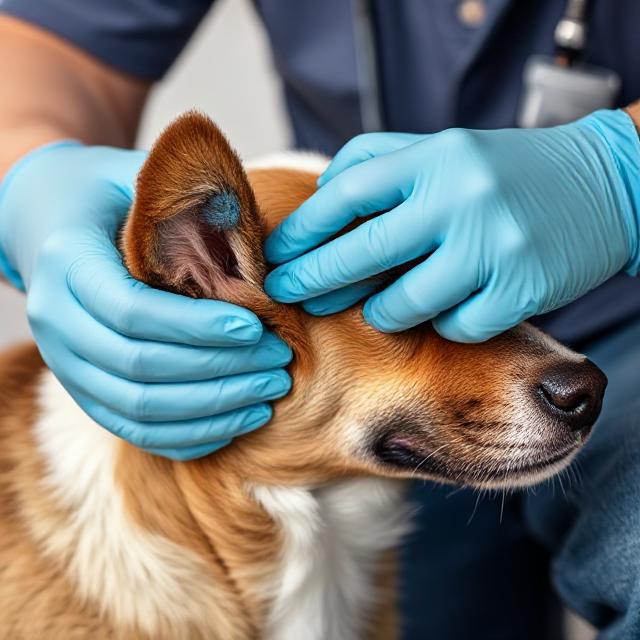
By day four your dog has had a few days to settle, which makes this a good time to schedule the first vet visit if you haven’t already. Call the clinic, tell them you have a new dog and ask for a first-visit appointment. If the shelter, rescue or breeder gave you vaccination or health records, put them in a folder or take photos of them so you can bring them along.
Questions worth asking at the first appointment:
- Which vaccines are due and when?
- What flea, tick and heartworm prevention does your dog need in your area?
- Is your dog microchipped, and is the chip registered to you?
- When should you talk about spaying or neutering?
- How much should you feed, and how many times a day?
If your puppy has not finished its vaccinations, ask your vet where it is safe to take your dog until then. That answer tells you how to handle the walks and outings coming up on days five and six.
Day four is also a good time to think about food. For this first week, keep feeding what your dog was eating before it came to you, even if you plan to change it. A sudden switch can upset a dog’s stomach on top of everything else that is new. If you decide to change foods, do it gradually over several days by mixing a little of the new food into the old and increasing the amount each day.
Choosing a food is where many first-time owners get overwhelmed by labels and claims. My guide on how to choose dog food as a first-time dog owner walks through it step by step, and your vet can confirm what suits your dog’s age and size.
Day 5 and 6: gentle bonding through walks, play and quiet time together
Now that your dog knows where to sleep, where to go potty and when dinner arrives, you can spend more time building the relationship. Bonding does not need a big event. It builds in small, pleasant moments that repeat.
- Short, sniffy walks. Let your dog stop and sniff on the walk. Sniffing tires a dog out mentally and helps it get familiar with the neighborhood. Keep the walks short and close to home.
- Simple play. A soft toy to carry, a gentle game of tug or a ball rolled across the floor is plenty. Stop while your dog is still having fun, before it gets too wound up.
- Hand-feeding a few bites. Giving part of a meal from your hand teaches your dog that good things come from you.
- Quiet time together. Sit on the floor with a book while your dog chews a toy nearby. Being relaxed together matters as much as being active together.
- One tiny cue. If you want to try something, practice “sit” for a treat for a minute or two. Keep it short and cheerful.
A few things to leave for later: dog parks, crowded outings, long training sessions and introducing your dog to a lot of new people or other dogs. A nervous dog can be overwhelmed by too much too soon, and a puppy that hasn’t finished its vaccines should stay away from places where unfamiliar dogs gather.
If you have children, supervise all interactions. Teach them to pet the dog’s shoulder or chest instead of reaching over its head, and to leave the dog alone when it is eating, sleeping or chewing.
Day 7: what to expect from week two and how to tell your dog is settling in
By the end of the first week with a new dog, you won’t have a fully trained dog, and you shouldn’t expect one. What you can look for is a dog that is starting to feel safe.
Signs your dog is settling in:
- It eats at mealtimes with reasonable interest.
- It sleeps in a relaxed position instead of staying alert.
- It goes to the door or gives you a look when it needs to go out.
- It explores the house without staying close to the walls.
- It plays, wags or comes to greet you when you walk in.
- It chooses to rest near you.
Not every dog shows all of these by day seven. Shy or older dogs often take longer, sometimes weeks, and that is within the normal range.
In week two, you can add a bit more at a time. Introduce a few visitors one at a time, extend walks gradually and begin short, regular training sessions. Some dogs also show more personality once they feel comfortable, including habits you didn’t see in the first few days, like barking, chewing or testing boundaries. That is a sign your dog is relaxing, and consistent routines and calm responses handle most of it.
What to do when the week feels messy: accidents, whining and second-guessing yourself
Almost every new owner has a day when the plan falls apart. Here is how to handle the usual problems.
Accidents. If you catch your dog in the act, calmly interrupt it and carry or lead it outside. Reward if it finishes there. If you find the mess later, clean it with an enzyme cleaner and move on. Scolding after the fact teaches your dog nothing about where to go and can make it nervous about going in front of you. Frequent accidents usually mean your dog needs more trips outside.
Whining. Check the basics first: does your dog need to go out, is it hungry or tired, or is it lonely? If those are covered, wait for a pause in the whining before you open the crate or give attention, so your dog learns that quiet gets results. If the whining is intense or doesn’t ease after several days, ask your vet for advice.
Second-guessing yourself. It is common to wonder whether you made the wrong choice, especially on a sleepless night. A new dog is a big change for a household, and tiredness, mess and uncertainty are a normal part of it. If something worries you, such as a dog that won’t eat, seems sick or is extremely fearful, call your vet or the shelter or rescue that placed your dog. They would rather hear from you early.
If you stick to the day-by-day focus and skip the extras, you will have given your dog what matters most: a predictable home and a person who stays calm.
When you are ready to shop, browse the dog care essentials I recommend for the first week, from beds and crates to leashes and chew toys, and pick up only what your dog really needs.