7 Safe & Effective Home Remedies for Cleaning Dogs Ears
Home Remedies for Cleaning Dogs’ Ears can be a safe, natural, and budget-friendly way to keep your dog comfortable—especially if you’ve noticed ear shaking, scratching, or an unpleasant odor. If you’re tired of expensive commercial ear cleaners or worried about harsh chemicals, the good news is that effective dog ear cleaning solutions may already be in your kitchen.
For routine ear maintenance and light debris removal, simple home remedies like white vinegar and warm water or witch hazel and water can help gently clean your dog’s ears while restoring their natural pH balance. This creates an environment that discourages yeast and bacteria from thriving. That said, these DIY dog ear cleaning remedies are meant for regular care only, not for treating infections. If your dog has severe redness, pain, thick discharge, or a strong foul smell, stop immediately and contact your veterinarian.
Every dog owner recognizes that familiar head-shaking sound—it’s often a sign that something isn’t right in your dog’s ears. Because a dog’s ear canal is shaped like an “L,” it easily traps moisture and debris, especially in floppy-eared or furry breeds like Beagles, Cocker Spaniels, and Poodles. This makes regular, gentle ear cleaning essential for preventing irritation and discomfort.
As someone experienced in canine care and owner education, I’ll walk you through the safest home remedies for cleaning dogs’ ears, how to use them correctly, and—most importantly—when not to use them. By the end of this guide, you’ll know how to protect your dog’s ear health naturally, safely, and confidently—so those head tilts are from affection, not irritation.
Dog Ear Anatomy & Warning Signs
Before you grab a bottle of whatever is trending online for a natural dog ear cleaning solution, let’s take a crucial step back to understand the territory you’re working in. You wouldn’t clean a fragile, expensive piece of equipment without reading the manual, and your dog’s ears deserve the same respect.
Understanding the Dog’s Unique Ear Canal
The most important thing to know is the L shape. As mentioned above, a dog’s ear canal first goes straight down (the vertical canal) and then takes a sharp right-angle turn inward toward the eardrum (the horizontal canal). This design is fantastic for protecting the inner ear, but it’s terrible at draining moisture and wax. That pocket at the bottom of the L is where gunk loves to settle, fester, and turn into an infection. When you use a DIY dog ear cleaner, you’re aiming to flood that entire L shape, massage it to break up debris, and let your dog shake it out.
When Not to Use Home Remedies
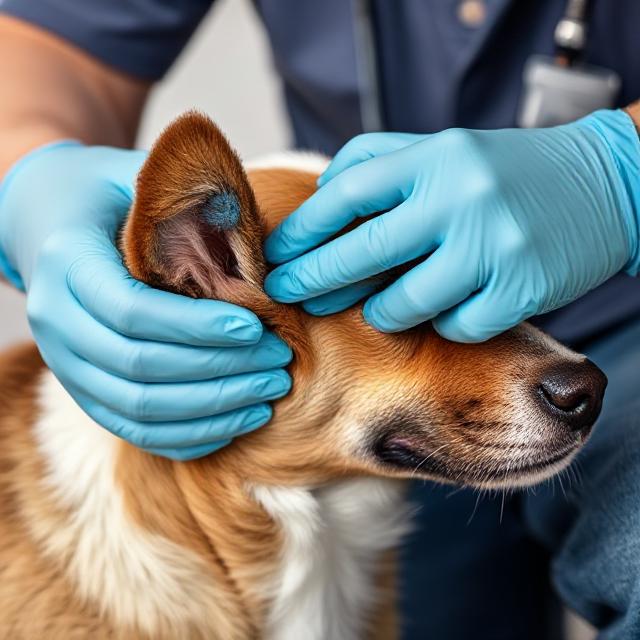
This is the most critical information in this entire guide. Home remedies for cleaning dogs’ ears are for preventative maintenance only. If your dog is showing signs of a true infection, using a DIY solution, especially anything acidic, can cause severe pain and actually push the problem further down the canal.
If you see ANY of the following symptoms, STOP and call your veterinarian:
- Pungent Odor: Not just “dog smell,” but a strong, foul, or sweet, yeasty smell coming from the ear.
- Excessive Discharge: Dark brown, waxy buildup is often normal, but heavy yellow, green, or black pus-like discharge is a sign of infection.
- Intense Redness or Swelling: The ear flap (pinna) or the opening of the canal looks puffy, hot, or visibly red.
- Pain: Your dog cries, yelps, or pulls away aggressively when you try to touch their ear or massage the base.
- Aural Hematoma: Swelling on the ear flap itself, often caused by repeated violent head shaking, which requires immediate veterinary attention.
As reported by veterinary sources, including the experts at VCA Hospitals, many ear issues are caused by underlying factors like allergies (food or environmental) and require specific medication, not just cleaning. Trying to cure an infection with a DIY mix only delays the proper treatment and causes your dog unnecessary discomfort.
7 Safe & Effective Home Remedies for Cleaning Dogs’ Ears
When your dog’s ears are healthy but slightly dirty, routine cleaning can prevent odor, itchiness, and future infections. These safe home remedies for cleaning dogs’ ears are widely recommended for maintenance only. They work by gently restoring the ear’s natural pH, discouraging yeast growth, and helping excess moisture dry out—without harsh chemicals.
⚠️ Important: These remedies are for cleaning, not treating infections. If your dog’s ears are red, swollen, painful, or producing heavy discharge, stop and consult your veterinarian.
Remedy 1: White Vinegar and Warm Water (The Gold Standard)
This is the most trusted and widely used natural dog ear cleaning solution—and for good reason.
-
The Ratio: 1 part white vinegar (5% acidity) to 2 parts warm, filtered water
-
Why It Works: White vinegar contains acetic acid, which helps break down earwax and creates a mildly acidic environment that discourages yeast and bacteria.
-
How to Use: Apply generously, massage the ear base, and allow your dog to shake it out.
-
Crucial Caveat: Never use if the ear is red, inflamed, or painful. Vinegar will sting irritated skin.
Remedy 2: Witch Hazel and Water Solution
Witch hazel is a gentle, plant-based astringent ideal for routine drying and light cleaning.
-
The Ratio: 50% pure witch hazel + 50% warm water
-
Why It Works: It dissolves light wax, reduces moisture, and has mild antiseptic properties—without the harshness of alcohol.
-
Best Use: After swimming or bathing
-
Expert Note: Veterinarians often recommend witch hazel as a gentler alternative to alcohol-based cleaners.
Remedy 3: Mineral Oil (For Wax Dissolution Only)
Mineral oil isn’t a cleaner—but it’s excellent for loosening stubborn wax.
-
Why It Works: Softens dry, crusty, or dark wax plugs
-
How to Use:
-
Warm slightly
-
Add a few drops to the ear
-
Massage gently for 1 minute
-
Let sit for 10–15 minutes before following up with a cleaning solution
-
-
Best For: Pre-treatment before using vinegar or saline solutions
Remedy 4: Coconut Oil (Antifungal Support)
Coconut oil is a natural option when mild yeast is suspected—but no infection is present.
-
Why It Works: Contains lauric acid, known for antifungal and antibacterial properties
-
How to Use: Melt to liquid form, apply a few drops, massage gently
-
Best For: Dry ears or mild odor
-
Avoid If: The ear is actively inflamed or oozing
Remedy 5: Saline Solution (Gentle & Neutral)
A saline rinse is one of the safest options for sensitive dogs.
-
Why It Works: Flushes debris without altering pH
-
How to Use: Use sterile saline or mix ½ teaspoon salt with 1 cup warm distilled water
-
Best For: Puppies, senior dogs, or dogs prone to irritation
Remedy 6: Aloe Vera Juice (Soothing Option)
Pure aloe vera juice can help calm mild irritation while assisting light cleaning.
-
Why It Works: Soothing and anti-inflammatory
-
How to Use: Mix equal parts aloe juice and warm water
-
Best For: Dry or mildly itchy ears
-
Important: Use pure, alcohol-free aloe only
Remedy 7: Green Tea Rinse (Natural Antioxidant Cleanser)
Green tea offers gentle antimicrobial and anti-inflammatory benefits.
-
Why It Works: Helps reduce odor and minor irritation
-
How to Use: Brew green tea, let it cool completely, and use as a rinse
-
Best For: Maintenance cleaning between deeper cleans
Step-by-Step Dog Ear Cleaning Process
It doesn’t matter how great your DIY dog ear cleaner is if you don’t use the correct technique. Improper cleaning is one of the main reasons owners struggle with ear care, or worse, accidentally injure their pet. Forget the image of gently swabbing the opening; true cleaning requires getting the solution down into that L-shaped canal, massaging vigorously, and letting the dog do the rest.
If you’ve already prepared your chosen home remedies for cleaning dogs’ ears (whether it’s the vinegar solution or the witch hazel mix) and gathered your supplies, you’re ready to begin. The entire process should take less than five minutes per ear and end with a celebration!
1. Preparation and Positioning: The Key to a Stress-Free Clean
Before you even touch your dog’s ear, set yourself up for success. This isn’t a task to sneakily perform while your dog is asleep. Make it a planned, positive event.
- Gather Your Toolkit: You need your cleaning solution (at body temperature, never cold!), plenty of cotton balls or cotton pads (avoid small wads), a towel draped over your shoulder (because a wet dog will shake!), and the highest value treats you own.
- Find Your Spot: A place where your dog is comfortable is best, perhaps standing in a bathtub or outdoors where any mess is manageable. If your dog is anxious, having another person hold them gently and offer continuous praise or treats can make a huge difference.
- Introduce the Tools: Let your dog sniff the cotton balls and the cleaning bottle. Give them a treat just for looking at the supplies. This simple desensitization trick makes the whole experience less scary.
2. Saturate and Apply the Solution
Take your natural dog ear cleaning solution and pour it into the ear opening. Yes, you read that right: pour. Many people are too timid and only wet the visible parts of the outer ear, which doesn’t reach the debris trapped deep inside the horizontal canal.
- Lift the Flap: Gently lift the ear flap (the pinna) straight up to expose the canal opening.
- Fill the Canal: While holding the flap up, squeeze the solution bottle until the entire canal is full. For smaller dogs, this might only be a teaspoon; for larger breeds, it could be a tablespoon or more. Don’t worry, as long as the eardrum is intact, the solution cannot hurt your dog.
- Immediate Treat: Right as you apply the liquid, praise them profusely and give them a treat. You want the brain to associate the feeling of the liquid with something wonderful.
3. The Massage: The Most Important Step
This is where the magic happens and where many DIY cleanings fail. Simply pouring liquid in won’t dislodge wax. You need to use your fingers to physically break up the debris.
- Squish, Squish, Squish: Keep holding the ear flap up with one hand. Use your thumb and fingers of the other hand to firmly massage the base of the ear, right where it meets your dog’s head.
- Listen for the Sound: You should hear a distinct squishing or sucking sound as the liquid moves deep down and mixes with the wax.
- Keep Going: Massage for a full 30 to 60 seconds. This action pushes the fluid around the L bend and dissolves the stuck-on gunk. Your dog might groan or look slightly annoyed, but unless they yelp in pain, you are doing great!
4. The Shake and the Wipe
When the massage is complete, step back and cover your head with the towel.
- The Big Shake: Your dog’s instinct is to shake its head violently to expel the liquid. This is exactly what you want! The force of the shaking, combined with the dissolved wax, pushes the dirty fluid up and out of the ear canal.
- Clean the Visible Parts: Now, take a dry cotton ball or pad and gently wipe out the inner surface of the ear flap and the part of the canal you can see. You will likely see a lot of brown or black residue, which is the gunk you successfully removed. Discard the cotton ball immediately.
- The Golden Rule: Say NO to Swabs! This is non-negotiable. Never insert a cotton swab or Q-tip deep into your dog’s ear canal. The L-shape means you will inevitably just compact the debris further down toward the eardrum, creating a serious blockage or potentially puncturing the drum. A cotton ball or a cotton pad wrapped around your finger is the furthest you should ever go when using a safe ear cleaner for dogs.
5. Repeat and Reward
Repeat the entire process on the other ear. The total time for both ears should still be under ten minutes. When you are finished, give your dog a huge reward, a favorite chew, a mini walk, or a massive amount of praise. This makes the next cleaning session much easier. Consistency is the secret ingredient for effective home remedies for cleaning dogs’ ears.
Frequency and Prevention: Making Ear Care Routine
Using home remedies for cleaning dogs’ ears isn’t a one-and-done deal; it’s a lifestyle commitment. The frequency with which you need to clean depends heavily on your dog’s breed, environment, and lifestyle habits. Think of it less as a chore and more as proactive health management.
Knowing Your Dog’s Ear Needs
There isn’t a fixed schedule that works for every dog. Instead, follow these general guidelines based on risk factors:
- The Average, Low-Risk Dog: For a dog with upright ears (like a German Shepherd) that stays mostly indoors and doesn’t swim, a cleaning every 3 to 4 weeks is typically sufficient for maintenance.
- The Floppy-Eared or Heavy-Coated Dog: Dogs like Cocker Spaniels, Basset Hounds, and Golden Retrievers have heavy flaps that seal the ear, drastically limiting air flow. They often benefit from cleaning every 1 to 2 weeks. The lack of air is the perfect invitation for yeast, making a gentle, natural dog ear cleaning solution crucial.
- The Water Lover/Swimmer: Any dog that swims regularly (retrievers, labs, etc.) needs attention every time they get wet. Clean the ears using a gentle drying agent, like the Witch Hazel solution, immediately after every swim or bath. Water is the biggest culprit for causing ear infections.
- The Allergy Dog: If your dog suffers from skin or food allergies, their ears are often the first place to flare up. You might need to clean them weekly during allergy season, always under the guidance of your veterinarian.
Beyond the Solution: Essential Prevention Strategies
No amount of DIY dog ear cleaner can fix the root cause if you ignore the preventative steps. Incorporating these simple habits into your routine will dramatically reduce the need for intense cleaning or veterinary visits.
- Strict Drying Protocol: This is paramount. After any water exposure, bath time, a run in the rain, or a dip in the lake, take a cotton ball and gently dab the visible parts of the ear canal to soak up surface moisture. A professional groomer trick is to use a small puff of powder specifically designed for drying dog ears.
- Regular Hair Trimming: For breeds that grow hair inside the ear canal (Poodles, Schnauzers, Shih Tzus), this hair can trap dirt and wax like a filter. Ask your groomer or vet to gently pluck or trim the inner ear hair to significantly improve air circulation. Better air flow is one of the best forms of prevention against the yeasty funk.
- Dietary Management: A healthy, balanced diet plays an enormous role in ear health. If your dog gets chronic ear infections, the cause is often an underlying food allergy, commonly to proteins like chicken or beef. Switching to a limited-ingredient diet or a novel protein source (like fish or duck) can sometimes eliminate ear problems. Many veterinarians recommend food trials before resorting to long-term medication, proving that the solution for the ear often starts in the bowl.
Final Word on Professional Care
While these home remedies for cleaning dogs’ ears are wonderful tools, remember to maintain a partnership with your veterinarian. A vet can look deep down the canal with an otoscope to check the eardrum and spot problems you can’t see, ensuring your cleaning efforts are effective and safe.
Your Dog’s Comfort is the Reward
We’ve covered everything from the unique L-shaped anatomy of your dog’s ear to the most effective DIY dog ear cleaner recipes you can make right now. What you now have is a simple, proactive strategy to keep your pet comfortable, happy, and smelling fresh.
The beauty of using natural dog ear cleaning solution options like the simple vinegar and water mix is that it empowers you, the owner, to take control of routine wellness without resorting to expensive chemicals. You’re not just cleaning an ear; you’re performing a loving, preventative health ritual that deepens your bond and reduces the likelihood of painful infections down the road.
Remember the cardinal rule: Home remedies for cleaning dogs’ ears are for preventative maintenance only. If you see discharge, smell a strong odor, or your dog shows any sign of pain, put the cotton balls away and schedule a vet visit immediately. A minor infection caught early is far easier (and cheaper) to treat than one that has been left to fester.
The ultimate goal is to have a dog that greets the world with confidence and a clean, comfortable shake of the head. By incorporating this simple, consistent routine into your dog’s life, you ensure that their ears are always healthy, ready for all the sweet words and ear scratches you have to offer. Keep it simple, keep it gentle, and always end with a treat!