Home Remedies for Dog Mites: Vet-Reviewed Ways to Soothe Your Pup’s Itching
It often starts with a sound. The soft, persistent thump-thump-thump of your dog’s leg scratching against their side in the middle of the night. Or maybe you’ve noticed them shaking their head constantly, as if they can’t quite dislodge something lodged deep in their ear canal. As a dog owner, that sound, that sight, can send a jolt of worry straight to your heart. You see the red, inflamed skin, the thinning patches of hair, and the restless discomfort in their eyes, and your first thought is a frantic, “How can I help them right now?”
If this sounds painfully familiar, your beloved dog might be dealing with mites. These microscopic pests can cause major misery for your furry companion, but the good news is that there are safe and effective home remedies for dog mites that can offer your best friend some much-needed relief while you figure out the next steps. Throughout this comprehensive guide, we’ll explore proven home remedies for dog mites that you can start using today, from soothing oil treatments to herbal rinses that calm irritated skin. I want to be crystal clear from the start: while these home treatments can be wonderful for soothing symptoms and supporting overall skin health, they are not a substitute for a professional veterinary diagnosis, especially in severe cases. Think of this guide as your trusted friend and expert resource, walking you through how to identify the problem, safely ease the itch using home remedies for dog mites, and know exactly when to call for professional backup.
First, Know Your Enemy: A Comprehensive Guide to Canine Mites
Before you mix up any home remedies for dog mites, it’s incredibly helpful to understand what you might be dealing with. Mites are microscopic parasitic bugs that can cause a world of trouble for your precious pup. Think of them like uninvited guests that throw a very itchy, uncomfortable party on your dog’s skin, leaving destruction in their wake. Different types of mites cause different kinds of problems, and understanding these distinctions will help you choose the most effective home remedies for dog mites.
Here’s a detailed rundown of the usual suspects:
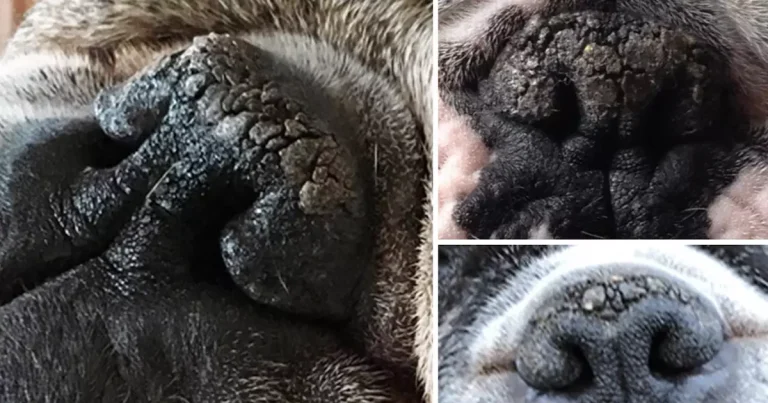
Sarcoptic Mange (Often Called Scabies): This is the “intense itch” mite that causes absolute misery. If your dog seems impossibly itchy, especially concentrated on their ears, elbows, hocks, and belly, it could be scabies. These microscopic mites burrow underneath the skin layers, causing severe irritation, intense scratching, crusty sores, and progressive hair loss. It’s also highly contagious to other dogs and can even cause a temporary, itchy rash on humans who come into close contact. The itching with sarcoptic mange is so severe that dogs often scratch until they bleed, creating secondary bacterial infections.
Demodectic Mange (Demodex): These mites are a bit different from their sarcoptic cousins. Almost all dogs have a few Demodex mites living harmlessly in their hair follicles from the time they’re puppies, it’s a normal part of their skin ecosystem. Problems start when a dog’s immune system is underdeveloped, compromised, or weakened, and the mite population grows wildly out of control. This leads to distinctive patchy hair loss, often appearing first around the eyes and mouth, and scaly, thickened skin. The good news is it’s usually not contagious to other dogs or people. Demodectic mange often appears in two forms: localized (a few small patches) or generalized (widespread across the body).
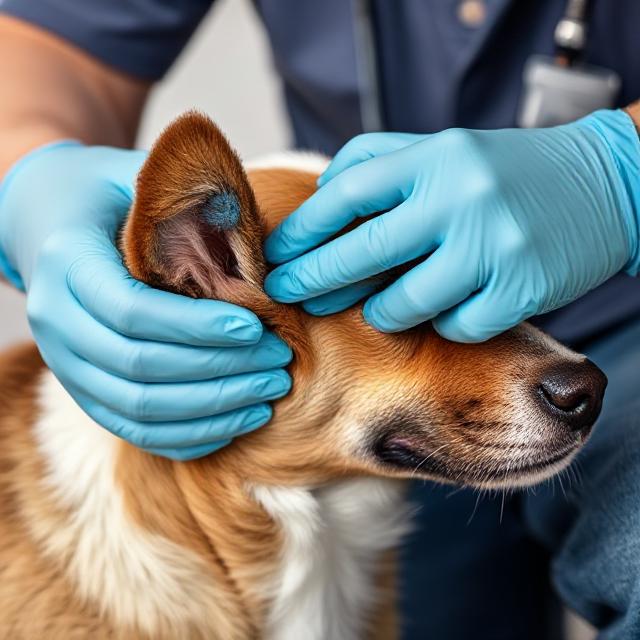
Ear Mites: As the descriptive name suggests, these pests set up shop specifically in the ear canal. They feed voraciously on skin debris, ear wax, and oils, causing intense irritation and inflammation. The telltale sign is a distinctive dark, crumbly, coffee-ground-like debris inside your dog’s ear that looks nothing like normal ear wax. You’ll likely observe a lot of frantic head shaking, scratching at the ears with hind legs, and your dog may hold their head tilted to one side. Left untreated, ear mites can lead to serious ear infections and even ruptured eardrums.
Cheyletiella (Walking Dandruff): This one is pretty distinctive and sometimes even visible. It looks like large flakes of dandruff are actually moving across your dog’s skin because the mites themselves are just barely visible to the sharp eye as tiny white specks. It causes mild to moderate itching and excessive scaling, often concentrated along the back, neck, and between the shoulder blades. It’s contagious to other pets in the household and can cause itchy bumps on people.
Understanding these critical differences is the first step in selecting the right home remedies for dog mites for targeted care. For instance, a home remedy focused specifically on ear cleaning will be excellent for ear mites but won’t effectively touch a deep-seated Sarcoptic infestation that requires full-body treatment.
The Critical First Step: When to Call the Vet Before You Start
Now, I need to put on my serious hat for a moment. I know you’re eager to start helping your dog with home remedies for dog mites, and we will get to the soothing remedies in just a moment. But this part is absolutely non-negotiable for your dog’s health and long-term safety.
Always, always start with a call to your veterinarian.
Here’s why this matters so much: diagnosing mites accurately requires professional expertise and equipment. Your vet will usually perform a simple skin scraping, examine it under a microscope, and actually see and identify the specific mites present. This diagnostic step is crucial because the symptoms of mites can look remarkably identical to other issues like environmental allergies, food sensitivities, bacterial infections, fungal problems like ringworm, or autoimmune conditions. Using home remedies for dog mites when your dog actually has a severe bacterial infection or allergy is like using a water gun to put out a house fire, it just won’t work, you’ll waste precious time, and the condition may worsen significantly.
Consider these your “red flags” that demand immediate veterinary attention. If you observe any of the following symptoms, please book a vet appointment immediately before starting any home remedies for dog mites:
- Sores that are oozing pus, bleeding, or look visibly infected
- Widespread hair loss covering large areas of the body
- Your dog seems lethargic, won’t eat normally, or is in obvious distress or pain
- Severe swelling around affected areas
- Foul odor coming from the skin or ears
- Your dog’s condition is rapidly worsening
- You’ve tried gentle home care for several days and see absolutely no improvement
A proper professional diagnosis is the foundation of effective treatment. The home remedies for dog mites we’ll discuss throughout this guide are fantastic for mild cases, for providing symptomatic relief alongside vet-prescribed treatment, and for supporting overall skin health. They are an important part of the solution, but not always the complete solution on their own.
7 Vet-Approved Home Remedies for Dog Mites Relief
Alright, let’s roll up our sleeves and talk about how you can help your dog feel significantly more comfortable. These home remedies for dog mites are all about using gentle, natural ingredients to soothe irritated skin, smother surface mites, reduce inflammation, and create a healthier environment for healing.
A Quick Safety Note: Before applying anything new to your dog’s skin, always do a patch test. Apply a small amount of the remedy to a tiny area of skin and wait a few hours to ensure there’s no adverse reaction like redness or increased itching.
Remedy 1: The Soothing Oil Treatment (Coconut & Olive Oil)
This is one of the simplest and most effective home remedies for dog mites to start with. High-quality coconut oil and olive oil are fantastic for your dog’s compromised skin.
How it Helps: These natural oils work in two powerful ways. First, they physically smother and suffocate surface mites on contact by clogging their breathing pores. Second, they are incredible moisturizers that can help soothe dry, flaky, and irritated skin, providing immediate relief from constant itching. Coconut oil, in particular, contains lauric acid, which has been noted for its antimicrobial and antifungal properties. A study published in the Journal of the American Veterinary Medical Association has discussed the use of various topical treatments to manage skin health, supporting the principle of using soothing agents to improve skin barrier function and reduce inflammation.
How to Use:
- Take a small amount of organic, virgin coconut oil or high-quality olive oil (about a tablespoon for medium dogs, adjust for size)
- Warm it gently between your hands until it becomes a liquid or soft consistency
- Gently massage it into the affected areas of your dog’s skin, really trying to work it through the fur and down to the skin surface
- Pay special attention to areas with visible irritation, hair loss, or excessive scratching
- You can repeat this treatment once or twice daily
- Just be aware your dog might try to lick it off (it’s perfectly safe if they consume a little), and they might be somewhat greasy for a few hours afterward
- Consider applying this remedy before bedtime when your dog is calmer
Remedy 2: The Honey & Oatmeal Bath
When the itching is driving your dog absolutely crazy and keeping everyone up at night, an oatmeal bath can feel like a miracle among home remedies for dog mites.
How it Helps: Oatmeal is a classic, vet-recommended soothing agent for itchy, inflamed skin conditions. It contains beneficial compounds called avenanthramides that have documented anti-inflammatory and antioxidant effects, which directly calm skin irritation and reduce the urge to scratch. Honey, especially raw, unprocessed honey, also has natural antibacterial and wound-healing properties that support skin recovery.
How to Use:
- Grind one to two cups of plain, uncooked oatmeal (not the flavored instant kind) in a blender or food processor until it becomes a fine powder
- Fill your bathtub with warm (not hot) water to a level that will cover your dog’s legs and belly
- Stir in the oatmeal powder gradually until the water takes on a milky appearance
- For extra soothing power, add one to two tablespoons of raw honey and stir until it dissolves completely
- Let your dog soak in the bath for 10-15 minutes, gently pouring the oatmeal water over their back and affected areas if they won’t sit down
- Speak soothingly to keep them calm during the treatment
- When finished, rinse them thoroughly with clean, warm water to remove any sticky residue, and pat them dry with a soft towel
- You can repeat this treatment every other day as needed for itch relief
Remedy 3: The Herbal Skin Rinse (Green Tea & Calendula)
If your dog’s skin is red, inflamed, and hot to the touch, this gentle herbal rinse is one of the most soothing home remedies for dog mites you can try.
How it Helps: Green tea is packed with powerful antioxidants called polyphenols that help reduce inflammation and promote skin healing. Calendula, a medicinal marigold flower, is famous throughout herbal medicine for its remarkable ability to promote tissue healing and soothe various skin irritations. Many herbalists and holistic veterinarians have long championed calendula for wound care and inflammatory skin conditions.
How to Use:
- Steep two to three green tea bags and a generous handful of dried calendula flowers (or two calendula tea bags) in a quart of hot water for at least 15-20 minutes to extract the beneficial compounds
- Let the mixture cool completely to room temperature, this is critical to avoid burning sensitive skin
- After giving your dog a regular bath with a mild, gentle shampoo, slowly pour the cooled herbal tea rinse over their body, focusing particularly on the itchy, affected spots
- Massage it gently into the skin
- Do not rinse it off; just gently pat your dog dry with a towel and let the beneficial herbs continue working
- Repeat after each bath for maximum benefit
Remedy 4: The Apple Cider Vinegar (ACV) Rinse
This is a powerful remedy among home remedies for dog mites, but it absolutely must be used with caution and proper dilution.
How it Helps: Apple cider vinegar helps restore the skin’s natural acidic pH balance, creating an environment that is hostile to mites, yeast, and harmful bacteria. It can also provide relief from itching and help remove buildup on the skin.
How to Use (Very Important!):
- NEVER use straight, undiluted apple cider vinegar on your dog, it is far too acidically strong and will burn their skin, especially if it’s already raw or broken
- Always dilute it properly! A safe ratio is 1 part raw, unfiltered ACV to 1 part warm water (you can start with 1:2 for extra sensitive skin)
- After a regular bath, pour the diluted mixture carefully over your dog’s skin, deliberately avoiding the eyes, nose, mouth, and any open wounds or sores
- You do not need to rinse it off, let it air dry naturally
- If your dog has any open scratches, cuts, or raw areas, skip this remedy entirely until the skin has healed
- Start with once weekly and observe how your dog’s skin responds
Remedy 5: Neem Oil Treatment
Neem oil is a powerful plant-based ingredient that deserves special mention among home remedies for dog mites due to its natural insecticidal properties.
How it Helps: Neem oil, derived from the neem tree native to India, contains compounds that are toxic to many parasites including mites, but safe for dogs when properly diluted. It disrupts the mites’ life cycle and acts as a natural repellent.
How to Use:
- Purchase pure, cold-pressed neem oil from a reputable source
- Mix one part neem oil with ten parts of a carrier oil like coconut oil or olive oil
- Apply this mixture directly to affected areas, massaging it gently into the skin
- Leave it on for several hours or overnight if possible
- Bathe your dog the next day to remove excess oil
- Repeat every 3-4 days for several weeks
- Note: Neem has a strong, distinctive smell that some find unpleasant, but it’s highly effective
Remedy 6: Aloe Vera Gel
Pure aloe vera gel is wonderfully soothing and makes an excellent addition to your arsenal of home remedies for dog mites.
How it Helps: Aloe vera has natural anti-inflammatory, antibacterial, and wound-healing properties. It cools irritated skin on contact and provides moisture without being greasy.
How to Use:
- Use pure, organic aloe vera gel without added colors, fragrances, or alcohol
- Apply a thin layer directly to red, irritated areas
- Gently massage it into the skin
- Allow it to absorb naturally
- Reapply 2-3 times daily as needed
- If using fresh aloe from a plant, extract the clear gel from inside the leaf
Remedy 7: Environmental Clean-Up
This might be the most important of all home remedies for dog mites, because you can treat your dog diligently all day long, but if their living environment is still harboring mites, they’ll just get repeatedly re-infected.
How it Helps: Environmental cleaning breaks the life cycle of the mites by physically removing them and their eggs from all of your dog’s surroundings, preventing reinfection.
How to Use:
- Wash absolutely all of your dog’s bedding, blankets, soft toys, and any fabric items they regularly contact in the hottest water possible and dry them on the highest heat setting
- Thoroughly vacuum all carpets, rugs, upholstered furniture, and any surfaces that your dog uses or comes into contact with
- Immediately throw away the vacuum bag or empty the canister outside into a sealed trash bag to prevent mite escape
- Clean all hard surfaces, floors, and crates with a pet-safe disinfectant
- Don’t forget to wash your own bedding, pillows, and clothing if your dog sleeps in your bed or on your furniture
- Repeat this deep cleaning process weekly during treatment
- Consider temporarily restricting your dog’s access to certain areas to make cleaning more manageable
What NOT to Do: Home Remedies for Dog Mites to Avoid at All Costs
Now, let’s talk about the other critically important side of the coin. In our well-meaning desire to help our suffering dogs, it’s easy to stumble upon advice online that is not just ineffective, but downright dangerous for our canine companions. Knowing what to avoid when considering home remedies for dog mites is just as important as knowing what to safely use.
Here’s the straight truth on some of the most common, but risky, suggestions you might encounter:
Essential Oils (Like Tea Tree, Eucalyptus, Pennyroyal, etc.): This is a big one that causes countless emergency vet visits. While properly diluted essential oils can have their place in human holistic medicine, they are extremely potent and can be severely toxic to dogs. Dogs’ systems cannot metabolize and process essential oils the way human systems can. Tea tree oil, in particular, is notorious for causing severe neurological reactions in dogs, including muscle tremors, weakness, difficulty walking, and even liver damage. Even small amounts can be dangerous. It’s simply not worth the risk when safer home remedies for dog mites exist.
Bleach or Other Harsh Household Chemicals: Never, ever put bleach, ammonia, Lysol, or other household disinfectants directly on your dog’s skin in a misguided attempt to “kill” the mites. These chemicals will cause immediate severe chemical burns, intense pain and distress, and can lead to life-threatening poisoning if licked or absorbed through the damaged skin barrier. These products are designed for hard surfaces, not living tissue.
Undiluted Apple Cider Vinegar: We talked about the power and effectiveness of a properly diluted ACV rinse as one of the beneficial home remedies for dog mites. However, using it straight from the bottle undiluted is a recipe for disaster. It will cause painful acid burns on your dog’s already compromised skin, making a painful situation exponentially worse. If the skin is broken at all, it will sting terribly, cause intense discomfort, and significantly delay healing.
Gasoline, Kerosene, or Motor Oil: It’s shocking and disturbing that this still gets suggested on some internet forums, but it does. These are highly toxic, flammable, petroleum-based substances. Applying them to your dog’s skin can lead to serious chemical poisoning, severe chemical burns, respiratory distress, and constitutes an immediate veterinary emergency. Never use these under any circumstances.
Undiluted Hydrogen Peroxide: While diluted hydrogen peroxide has some medical uses, applying it full strength to skin irritated by mites will cause burning, further tissue damage, and intense pain.
The golden rule when evaluating potential home remedies for dog mites is simple: if you wouldn’t put it gently in your own eye without hesitation, don’t put it on your dog’s irritated, compromised skin. When in doubt, stick to the gentle, food-grade remedies we discussed earlier or consult your veterinarian.
Beyond the Kitchen Cabinet: When Home Remedies for Dog Mites Need Backup
Let’s be realistic and honest. Mixing up batches of herbal rinses, preparing oatmeal baths, and giving daily oil treatments can be time-consuming and labor-intensive. And while these home remedies for dog mites are wonderful, effective options for mild itching and supporting overall skin health, sometimes the problem is particularly stubborn, severe, or extensive and needs more concentrated firepower.
If you feel like you’re not making sufficient progress after two weeks of consistent home treatment, or if your veterinarian has diagnosed a specific aggressive type of mite that requires targeted pharmaceutical treatment, it’s time to look at scientifically formulated medical solutions. The good news is that there are excellent over-the-counter and prescription products that work on similar principles as home care but are specifically designed and concentrated for maximum therapeutic effect.
Think of it this way: coconut oil is a fantastic natural moisturizer and has some antimite properties, but a medicated anti-parasitic shampoo is like calling in the specialized heavy-duty cleaning crew with professional-grade equipment.
Commercial Product Category 1: Medicated Shampoos
When a simple oatmeal bath isn’t cutting through the problem, a medicated shampoo specifically formulated for parasites can be a genuine game-changer alongside your home remedies for dog mites.
Why They Work: These specialized shampoos contain active pharmaceutical ingredients like Benzoyl Peroxide, Sulfur, Lime Sulfur, or Salicylic Acid. Benzoyl Peroxide is particularly amazing because it helps “flush out” the hair follicles, bringing deep-seated mites, debris, and bacteria to the surface where they can be washed away. It also has strong antibacterial properties, which is crucial for preventing or treating secondary bacterial infections that develop from all that constant scratching and skin damage.
How to Use Them: You would use these just like any dog shampoo, but it’s absolutely crucial to follow the specific instructions on the bottle carefully. Most medicated shampoos need to be left on the dog’s coat for 5-10 minutes so the active ingredients have sufficient time to work and penetrate. A good thorough lathering and a soak in the tub can make a dramatic difference in results.
Commercial Product Category 2: Spot-On Treatments & Sprays
For ongoing prevention and treatment convenience, prescription spot-on treatments shine as a complement to home remedies for dog mites.
Why They Work: These veterinary products contain ingredients that are lethal to parasites but safe for dogs when applied according to directions. Some modern formulations are made with natural insecticidal ingredients like Neem Oil concentrate, which is a plant-based powerhouse known to repel and kill mites. They provide lasting protection, systematically breaking the life cycle of the mites over several weeks of consistent use.
How to Use Them: Spot-on treatments are usually applied to the skin at the back of the neck, between the shoulder blades, where your dog cannot lick it off. Sprays can be applied directly to the body, carefully avoiding the face, eyes, and mucous membranes. Always follow the weight guidelines and application frequency on the package precisely.
Commercial Product Category 3: Immune Support Supplements
Remember when we discussed Demodectic mange? It often stems from a weakened or compromised immune system. Supporting your dog from the inside out is one of the smartest long-term strategies for lasting skin health and works beautifully alongside home remedies for dog mites.
Why They Work: A healthy gut microbiome and a strong immune system are your dog’s first line of defense against all parasites and infections. Omega-3 Fatty Acid supplements (like high-quality fish oil) are absolute rock stars for reducing systemic inflammation throughout the body, which directly calms itchy skin and promotes a healthy, shiny coat. Probiotics support gut health, which is intrinsically linked to immune function.
How to Use Them: These are typically daily supplements added to your dog’s regular food. They are not a quick fix for active infestations but rather a long-term investment in your dog’s overall health and resilience.
Prevention: Keeping Mites Away After Treatment
Once you’ve successfully used home remedies for dog mites and achieved recovery, prevention becomes your next priority. Here are key strategies:
Maintain Regular Grooming: Brush your dog regularly to remove dead skin cells and detect any issues early. Regular baths with gentle shampoo keep skin healthy and less hospitable to parasites.
Support Immune Health: Feed a high-quality diet rich in nutrients. Continue immune-supporting supplements like fish oil. Ensure your dog gets adequate exercise and minimizes stress, as chronic stress weakens immunity.
Keep Living Areas Clean: Maintain the environmental cleaning routine you established during treatment. Vacuum regularly and wash bedding weekly in hot water.
Limit Contact with Infected Animals: If you know another dog has mites, especially sarcoptic mange, limit or avoid contact until they’ve been treated. Mites can spread quickly in places like dog parks, kennels, and grooming facilities.
Regular Vet Check-ups: Annual or bi-annual wellness exams allow your vet to catch potential problems before they become serious infestations requiring intensive home remedies for dog mites.
The Emotional Side: Supporting Your Dog Through Recovery
Dealing with mites isn’t just physically uncomfortable for your dog, it can be emotionally distressing too. Dogs can sense our anxiety, so staying calm while administering home remedies for dog mites helps them stay calm.
Be patient with your dog if they’re irritable or restless. The constant itching is exhausting and frustrating for them. Provide extra comfort through gentle petting, soothing words, and maybe a new toy to distract from the urge to scratch.
Celebrate small victories. The first day your dog seems less itchy, the first patch of fur growing back, the first full night’s sleep, these are all signs your home remedies for dog mites are working.
Final Thoughts: You’re Not Alone in This Battle
Dealing with mites can feel like a frustrating and seemingly endless battle against an invisible enemy. Seeing your beloved dog uncomfortable, watching them scratch helplessly, and feeling powerless to immediately fix the problem is genuinely one of the hardest parts of being a responsible pet parent. But please, take a deep breath and remember something important: you are absolutely not alone in this challenge.
You now have a comprehensive, solid, step-by-step plan of action. Start with that all-important veterinary visit for a clear, accurate diagnosis. Use the gentle, proven home remedies for dog mites to bring your suffering pup immediate comfort and actively support their healing skin. Keep their living environment scrupulously clean to prevent a frustrating comeback of the infestation. And know confidently that if you need more help, there are safe and effective commercial products ready to step in and support your efforts.
Your attentive love and dedicated care are truly the most powerful remedies of all. With consistent application of these home remedies for dog mites, a little patience, and the right holistic approach, you’ll soon see your happy, comfortable, tail-wagging dog again. That rewarding thump-thump-thump will be the joyful sound of a tail wagging contentedly, not a desperate leg scratching in the night.