Proven Action Plan: Safe Home Remedies for Yeast Infection in Dogs (Ears, Paws, Skin)
If you’re reading this, chances are you’ve experienced the unique agony of a dog with persistent itching, relentless paw licking, and that distinctly yeasty, almost “Frito chip” smell. It’s frustrating, heartbreaking to watch, and leaves many dog owners desperate for a solution. The good news is, yes, there are safe and effective home remedies for yeast infection in dogs that can provide real relief and help restore balance to your pup’s skin and ears. The key is understanding when a home treatment is appropriate and what underlying issue is triggering the problem in the first place.
As a canine health expert, I know that safe, effective relief is absolutely possible, but successful treatment is about more than just slathering on a topical cream. It requires identifying the source of the discomfort, be it a stubborn ear infection, irritated paws, or a persistent skin rash, and then tackling it with both external soothers and internal support. We’ll dive into the best natural cleansers and rinses, vital dietary adjustments, and the most critical step: knowing when to swap your kitchen remedies for your veterinarian’s expertise. Ready to get your happy, odor free dog back? Let’s begin.
The Critical First Step: Identification & Diagnosis (Informational)
You can’t treat what you can’t properly identify. While a yeast overgrowth is frustratingly common, mistreating a different issue, like a bacterial infection or ear mites, can actually make your dog much sicker. Recognizing the specific signs is the foundation of any successful dog yeast infection treatment.
A. Recognizing the Signs: Common Symptoms
When Malassezia pachydermatis, the fungus responsible for most canine yeast infections, takes hold, the symptoms are usually unmistakable. We call this the “Trifecta of Discomfort”:
- The Distinct Odor: This is often the first thing owners notice. The smell is frequently described as stale bread, old cheese, or corn chips (the famous “Frito Feet”). This happens because the yeast releases distinct metabolic byproducts.
- Itching and Scratching: This is not your dog’s usual casual scratch. It’s frantic, relentless, and often focuses on the ears, groin, and paws. This constant scratching leads to the next symptom.
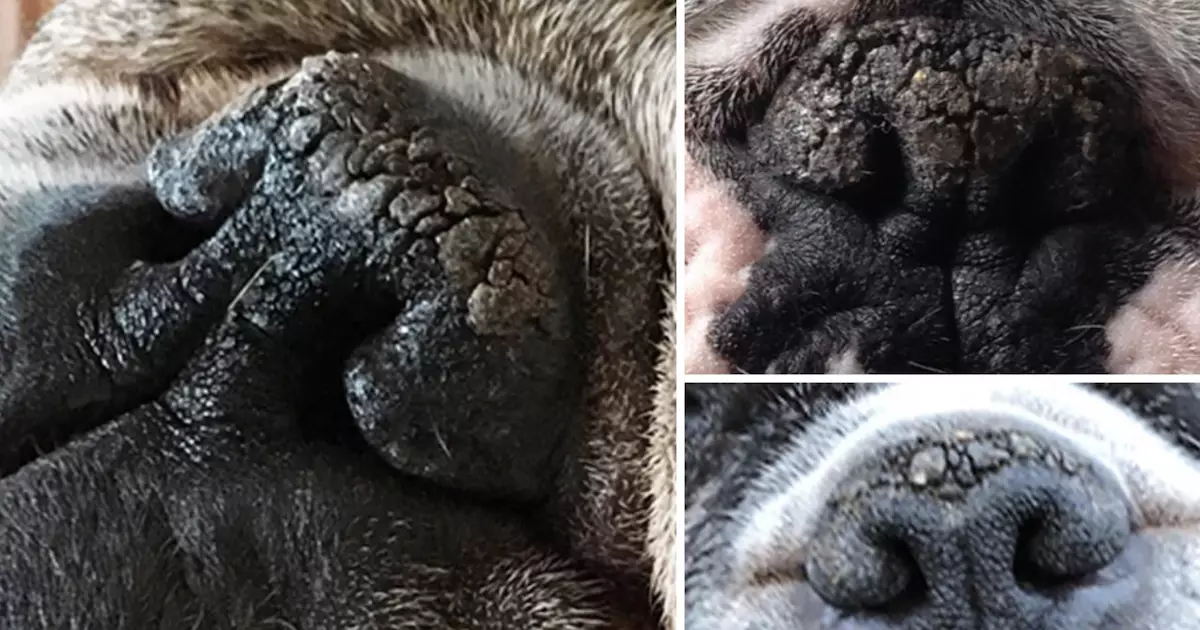
- Redness and Inflammation: The skin becomes irritated, appearing pink, inflamed, or even deep red. In chronic cases, the skin can thicken and turn a grayish color, resembling elephant skin.
Beyond these general signs, where the symptoms appear tells you a lot about the infection:
- Ears (Otitis Externa): If your dog is head shaking, tilting their head, or rubbing their ear on the furniture, check for a dark, brownish-yellow, waxy, and often very smelly discharge.
- Paws: Obsessive licking, chewing, and red staining between the toes are classic signs of a yeast issue on the paws. The saliva stains often turn the fur a rusty color.
- Skin Folds and Groin: You may notice greasy skin, hair loss, and scaly patches, particularly in dogs with wrinkles (like Bulldogs or Shar-Peis).
B. Why a Vet Check is Non-Negotiable (Safety Warning)
Before you begin any natural remedies for dog ear infection or skin trouble, a visit to your veterinarian is the single most responsible step you can take. Here’s why: Yeast infections are almost always secondary problems. This means they occur because an underlying primary condition, like allergies or a hormonal imbalance, has weakened the skin’s defenses.
Furthermore, a vet can perform a quick, painless test called cytology (a simple swab examined under a microscope) to definitively confirm that it is, in fact, yeast and not a nasty bacterial infection or even ear mites. Treating a bacterial infection with antifungal remedies will not only fail, but it will allow the bacteria to multiply, leading to a much worse outcome for your pup.
Understanding the Root Cause (Informational)
To truly eliminate the need for future home remedies for yeast infection in dogs, you must address the “why.” Yeast overgrowth isn’t usually a random event; it’s a symptom of a systemic issue that has created the perfect internal environment for the fungus to flourish.
A. Primary Triggers of Yeast Overgrowth:
- Allergies: The Number One Culprit
- This is the most common primary trigger. Allergies, either environmental (pollen, dust, mold) or food related, cause chronic inflammation. This inflammation disrupts the skin barrier and immune function, essentially rolling out a welcome mat for opportunistic yeast.
- Moisture and Environment:
- Yeast thrives in warm, moist environments. Dogs who swim frequently, live in humid climates, or simply aren’t dried thoroughly after a bath are highly susceptible. The inside of a floppy ear or the warm space between a dog’s toes is a perfect breeding ground.
- Compromised Immune System:
- Any stress, illness, or long term use of antibiotics or steroids can suppress the immune system.When the body’s defenses are down, the naturally occurring yeast on the skin and in the gut can easily transition into an uncontrolled overgrowth.
- Diet: Fuel for Fungus:
- This is an area many owners overlook. Yeast feeds on sugar. If your dog’s diet is high in carbohydrates and starches (like many kibbles containing corn, wheat, or sweet potato as primary ingredients), you are inadvertently fueling the yeast population. Removing this fuel is essential for any long term success.
In fact, research published in the Journal of Veterinary Dermatology often points to underlying atopic dermatitis (environmental allergies) as the main predisposing factor for recurrent Malassezia infections in dogs, underscoring the need to treat the allergy, not just the fungus itself. By controlling the inflammation and dampness, you take away the yeast’s ability to thrive, making any topical safe home treatment dog fungus more effective.
Safe & Effective Home Remedies (The Core Informational/Commercial Section)
Once you have your veterinarian’s confirmation that you are, in fact, dealing with yeast (and not something more serious), you can confidently explore supportive and safe home remedies for yeast infection in dogs. The most effective approach is a two pronged attack: treating the surface symptoms for immediate relief while simultaneously addressing the internal imbalances that caused the overgrowth.
A. Topical Home Remedies (Immediate Relief)
These remedies are excellent for managing the itching and discomfort, but remember: consistency is key!
- The Apple Cider Vinegar (ACV) Rinse: pH PowerApple cider vinegar is perhaps the most popular natural option among owners. Its high acidity helps disrupt the surface environment, making it inhospitable for the yeast to multiply.
- The Crucial Rule: Never use ACV straight or on broken skin. If the skin is raw, inflamed, or bleeding from scratching, the acetic acid will sting intensely, turning a soothing treatment into a painful experience.
- Application: Mix a solution of 50% distilled water and 50% raw, unfiltered ACV (the kind with the “mother”). Place the solution in a spray bottle. After bathing, mist the affected areas of the paws or body (avoiding sensitive eyes and genitals). Let it sit for a few minutes before towel drying. This is a fantastic, safe rinse for canine yeast skin infection.
- Coconut Oil: The Anti-Fungal All StarOrganic, unrefined coconut oil contains a high concentration of medium chain triglycerides, particularly Lauric Acid. Lauric Acid possesses documented anti fungal properties, making it a wonderful natural moisturizer and treatment.
- Application: For treating small patches of dry, yeasty skin or for use on paws, gently melt a small amount and massage it directly into the skin. If your dog licks it, that’s okay! It’s perfectly safe to ingest.
- Commercial Opportunity: We recommend sourcing high quality, organic, human grade coconut oil. Look for brands that are cold pressed to retain the maximum amount of beneficial lauric acid.
- Cooling Tea Soaks for PawsFor a dog relentlessly chewing their paws, a simple soak can be a game changer. Brew a strong cup of plain Green Tea or Calendula Tea. Once cooled completely, soak your dog’s paws for five to ten minutes. Both teas are naturally soothing and contain anti inflammatory compounds that calm the hot, irritated skin between their toes.
B. Internal & Dietary Home Support
Topicals can help manage symptoms, but they won’t cure a chronic problem. For long term success and true prevention, you must focus on the gut and diet, the source of most immune function.
- Probiotics: Rebalancing the GutA yeast overgrowth on the skin or in the ears often mirrors an imbalance in the gut microbiome. Healthy bacteria (probiotics) are the body’s natural defense against opportunistic fungi like Malassezia. When the good bacteria are strong, they crowd out the yeast.
- Mechanism: Introducing high quality, species specific probiotics helps rebuild the beneficial bacteria colony, which in turn boosts the immune system and reduces the systemic inflammation that triggers the yeast.
- Commercial Opportunity: Look specifically for canine specific probiotic supplements containing multiple beneficial strains. These are far more effective than giving your dog human yogurt.
- Dietary Adjustments: Cutting the FuelThis is, arguably, the single most powerful step you can take for a dog with recurrent yeast issues. Remember: Yeast feeds on sugar. If your dog’s diet is high in carbohydrates, starches, and filler ingredients, you are fueling the fungus.
- Focus: Switch to a low carbohydrate, whole food based diet. This means minimizing or eliminating high glycemic ingredients commonly found in kibble, such as corn, wheat, white rice, peas, and even starchy vegetables like potatoes or sweet potatoes.
- The Change: Focus the diet on high quality protein and appropriate healthy fats. This simple, profound change removes the fuel source, causing the yeast population to naturally dwindle.
- Advanced Internal Support: Caprylic AcidFor persistent or stubborn cases of canine yeast skin infection, some holistic vets recommend natural systemic anti fungals like Caprylic Acid (a derivative of coconut oil) or Pau D’Arco bark.
- Critical Caveat: These supplements are potent and should never be started without guidance from your veterinarian, as they can interact with other medications and require specific dosages. They are a powerful step in a comprehensive dog yeast infection treatment plan, but only when used wisely.
The Essential Cleaning & Maintenance Routine (Practical & Commercial)
Effective safe home treatment dog fungus requires diligent maintenance. Keeping the infected areas clean and dry is non negotiable, especially for ear and paw issues.
A. Ear Cleaning Protocol: The Right Way to Clean
You must never use Q-tips in a dog’s ear, as this can push debris and yeast deeper down the canal.
- Frequency: During an active infection, cleaning may need to happen daily or every other day, as directed by your vet. For maintenance in yeast prone dogs, clean once or twice a week.
- The Technique: Use a squirt bottle to flood the ear canal with a veterinarian approved ear cleaning solution (or a gentle, diluted ACV solution mentioned earlier). Massage the base of the ear for 30 seconds to break up the discharge. Let your dog shake their head, this is the most effective way to remove the gunk! Follow up by gently wiping the visible parts of the outer ear with a soft cotton ball or pad.
- Commercial Opportunity: Ask your vet for a trusted, anti fungal dog ear cleaning solution. Avoid alcohol based solutions as they are painful on inflamed skin.
B. Grooming, Drying, and Environment
If you have a dog with floppy ears, excessive hair, or lots of skin folds, you are fighting an uphill battle against moisture.
- The Importance of Drying: After any bath, swim, or romp in the rain, immediately and thoroughly dry your dog. This means lifting floppy ears and blasting the inside with a cool setting on a blow dryer, and using a towel to get between all the paw pads. Moisture is yeast’s best friend; dryness is its enemy.
- Hair Clipping: Keep the hair around the ear opening and the hair between the paw pads clipped short. This allows air flow, dramatically reducing the warm, damp conditions yeast loves.
- Bathing: Use a gentle, anti fungal shampoo recommended for sensitive, yeasty skin. Regular bathing helps remove the sticky yeast biofilm from the coat.
- Commercial Opportunity: We recommend a medicated or natural anti fungal dog shampoo containing Miconazole or Ketoconazole (vet recommended) or natural ingredients like tea tree oil (use with caution) or colloidal oatmeal for soothing.
When Home Remedies Aren’t Enough: The Vet is the Answer (Safety & Authority)
While natural remedies for dog ear infection and skin irritations are wonderful supportive tools, there are times when relying solely on them is unsafe. A good dog owner knows their limit, and an expert article must emphasize safety above all else.
A. Red Flags that Require Immediate Vet Attention:
If you observe any of the following, stop home treatments and call your vet immediately:
- Worsening Symptoms: If, after 7 days of diligent home care, the smell, redness, or itching has not improved, the infection is too deep or complex for topical home remedies alone.
- Severe Pain: If your dog whines, yelps, or becomes aggressive when their ear is touched, this indicates severe pain or a ruptured eardrum.
- Systemic Signs: Lethargy, fever, lack of appetite, or balance issues (head tilt, walking in circles) signal that the infection may have moved into the middle or inner ear, which can have serious, long term consequences.
B. What a Vet Will Do: Precision Treatment
When you see your vet, you aren’t failing, you are ensuring the best outcome.
- Cytology and Culture: As mentioned, they confirm the diagnosis. If the infection is bacterial, they will prescribe antibiotics. If it’s a mixed yeast and bacterial infection, they will create a protocol to treat both.
- Prescription Medications: For deep or chronic infections, a vet may prescribe a combination of:
- Topical Anti-fungals: Stronger ear drops or ointments.
- Oral Medications: Systemic anti-fungal drugs (like Ketoconazole or Fluconazole) that treat the infection from the inside out.
- Steroids: Short term courses to rapidly reduce severe inflammation and pain, giving your dog much needed relief while the anti-fungals take effect.
Conclusion (Summary & Call to Action)
Dealing with home remedies for yeast infection in dogs can feel like a never ending battle, but by adopting a two part strategy, treating the surface symptoms while eliminating the underlying cause, you can break the cycle.
Remember that true healing comes from the inside out. Use your topical solutions like the ACV rinse and coconut oil for immediate, soothing relief. But commit to the long game by adjusting the diet to starve the yeast and adding high quality probiotics to strengthen the gut and immune system. Always use your veterinarian as your partner, especially when symptoms are severe or persistent. By working together, you can restore your dog’s balance, eliminate the odor, and bring back the comfort they deserve.
It is incredibly rewarding to see the difference a few simple, natural changes can make in your dog’s life. Now that you are armed with the knowledge of safe, effective home remedies and preventative maintenance, you have the power to keep that pesky yeast at bay.
What’s your go-to home remedy for your dog’s yeast issues? Share your success stories and favourite products in the comments below!