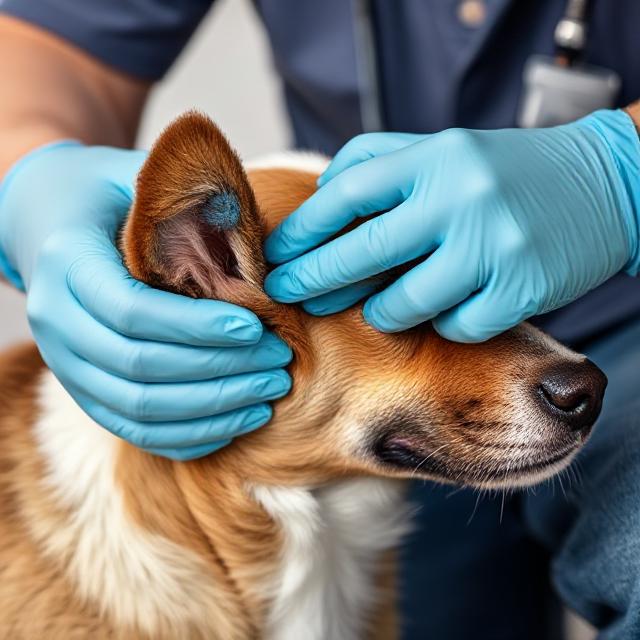
Home Remedy Antibiotics for Dogs: Natural Ways to Help Your Pup Heal
If your dog has ever had an ear infection, a skin wound, or a cough that just won’t quit, you’ve probably wondered: Is there a safe home remedy I can try before rushing to the vet? You’re not alone. More and more pet owners are looking for natural antibiotic options that are gentle, effective, and easy to use at home.
The good news is, yes, there are home remedy antibiotics for dogs that can help with mild infections and support healing. These remedies aren’t meant to replace professional veterinary care, but they can be a great first step or a complementary treatment. In this article, we’ll explore the best natural ingredients, how they work, and when it’s safe to use them. We’ll also share expert advice and real-life examples to help you make informed choices for your furry friend.
Understanding Antibiotics for Dogs
Antibiotics are medicines that fight bacteria. In dogs, they’re often used to treat infections like:
- Skin irritations or wounds
- Ear infections
- Urinary tract infections (UTIs)
- Respiratory issues
- Dental infections
Veterinarians usually prescribe antibiotics like amoxicillin, cephalexin, or clindamycin. These are powerful and often necessary, especially for serious infections. But they can also come with side effects, upset stomach, diarrhea, and in some cases, antibiotic resistance if used too often.
That’s where natural remedies come in. They offer a gentler approach, especially for minor issues or as a way to support recovery. Some natural ingredients have antibacterial, antifungal, or anti-inflammatory properties that can help your dog heal without harsh chemicals.
According to the American Kennel Club (AKC), natural remedies like honey and coconut oil have shown promise in soothing skin and fighting bacteria when used correctly. And a 2016 study published in the Journal of Applied Microbiology found that oregano oil had strong antibacterial effects against common pathogens.
Why Consider Natural or Home Remedies?
Let’s be hones, taking your dog to the vet every time they scratch or sneeze can be stressful and expensive. That’s why many dog owners are turning to home remedies. But it’s not just about saving money. It’s about giving your dog care that’s gentle, holistic, and often just as effective for mild issues.
Here’s why natural remedies are worth considering:
- Fewer side effects: Unlike some prescription drugs, natural ingredients are less likely to cause digestive upset or allergic reactions.
- Immune support: Many natural remedies don’t just fight bacteria, they also help strengthen your dog’s immune system.
- Easy to use: You can find most ingredients in your kitchen or local store. No complicated dosing or prescriptions needed.
- Vet-approved options: Some holistic vets recommend natural remedies as part of a balanced care plan.
Of course, not all natural treatments are safe. Garlic, onions, and certain essential oils can be toxic to dogs. That’s why it’s important to stick with proven ingredients and follow expert guidelines.
Top Natural Antibiotic Ingredients for Dogs
Nature has a way of offering gentle healing, and some ingredients have stood the test of time when it comes to fighting bacteria and soothing inflammation. Here are some of the most trusted natural antibiotic options for dogs, and yes, many of them are probably already in your kitchen.
Honey
Raw honey, especially Manuka honey, is known for its antibacterial and wound-healing properties. It creates a barrier that protects wounds from infection and helps tissue regenerate. You can apply it directly to minor cuts or scrapes. Just make sure your dog doesn’t lick it off too quickly.
Turmeric
Turmeric isn’t just a spice, it’s a powerful anti-inflammatory and antimicrobial agent. It contains curcumin, which helps fight bacteria and reduce swelling. You can mix a small amount into your dog’s food, but always check with your vet for safe dosing.
Coconut Oil
Coconut oil is a favorite among holistic pet owners. It’s antifungal, antibacterial, and great for skin health. You can rub it on dry patches or mix a teaspoon into your dog’s food to support digestion and immunity.
Apple Cider Vinegar
This pantry staple can help with skin infections and itchy spots. Dilute it with water (50/50 ratio) and use it as a gentle spray for irritated areas. Avoid using it on open wounds, it can sting.
Oregano Oil
Oregano oil is incredibly potent. It’s been shown to fight bacteria like E. coli and staph. But it must be diluted heavily before use, and it’s best used under veterinary guidance. A few drops mixed with a carrier oil can be applied topically for skin infections.
Echinacea
Echinacea is often used to boost the immune system. It’s available in tincture or capsule form and can help your dog fight off infections more effectively. It’s especially useful during cold seasons or when your dog seems run down.
These ingredients are natural, but that doesn’t mean they’re risk-free. Always start with small amounts and monitor your dog’s reaction. And if you’re ever unsure, a quick call to your vet can save a lot of trouble.
Homemade Remedies That Work
If you’re the DIY type, you’ll love how easy it is to whip up a few natural treatments at home. These remedies are simple, safe, and can be made with ingredients you already have.
Coconut Oil and Turmeric Paste
This combo is great for skin infections and hot spots.
Ingredients:
- 1 tablespoon coconut oil
- 1 teaspoon turmeric powder
Instructions: Mix into a smooth paste and apply to the affected area. Leave it on for 10–15 minutes, then gently wipe off. Use once daily until the skin improves.
Honey Wound Dressing
Perfect for small cuts or scrapes.
Instructions: Clean the wound with warm water, pat dry, and apply a thin layer of raw honey. Cover with a clean bandage if needed. Repeat twice daily.
Apple Cider Vinegar Spray
Helps with itchy skin and mild infections.
Ingredients:
- 1 cup water
- 1 cup apple cider vinegar
Instructions: Mix and pour into a spray bottle. Lightly mist the irritated area once or twice a day. Avoid eyes and open wounds.
These remedies are meant for mild issues. If your dog’s condition doesn’t improve in a few days, or gets worse, it’s time to see the vet.
Commercial Natural Antibiotic Products
Not everyone has time to mix up homemade treatments. Luckily, there are some excellent commercial products that use natural ingredients and are vet-approved.
Here are a few popular options of Product details verified via Chewy and Petco listings:
| Product Name | Key Ingredients | Use Case | Price Range | Vet Approved |
|---|---|---|---|---|
| Vet’s Best Hot Spot Spray | Tea tree oil, aloe vera | Skin irritation | $10–$15 | ✅ |
| Zesty Paws Allergy Immune Bites | Echinacea, colostrum | Immune support | $25–$30 | ✅ |
| NaturVet Ear Wash | Witch hazel, aloe | Ear infections | $12–$18 | ✅ |
| PetHonesty Antibiotic Support Chews | Turmeric, honey, probiotics | General infection support | $20–$28 | ✅ |
These products are easy to use and often come with dosing instructions. They’re a great option if you want something reliable and ready to go. Just be sure to read the label and choose products that match your dog’s size and needs.
When to Avoid Home Remedies
As much as we love natural solutions, there are times when home remedies just aren’t enough. Knowing when to step back and call the vet is one of the most important parts of being a responsible pet parent.
Here are a few signs that your dog needs professional care:
- High fever or lethargy: If your dog is unusually tired, not eating, or has a fever, it could be a serious infection.
- Open wounds or deep cuts: These need proper cleaning and possibly stitches or antibiotics.
- Persistent vomiting or diarrhea: This can lead to dehydration and may signal something more serious.
- Unusual discharge or swelling: Especially around the eyes, ears, or genitals.
- No improvement after 2–3 days of home care: If your dog isn’t getting better, don’t wait.
Natural remedies are great for mild issues, but they’re not a cure-all. When in doubt, trust your instincts and reach out to your vet. It’s always better to be safe than sorry.
Expert Tips for Prevention
The best way to avoid infections is to keep your dog healthy from the inside out. Prevention is easier, and often cheaper, than treatment. Here are some simple habits that make a big difference:
- Feed a balanced diet: Good nutrition supports a strong immune system. Look for dog foods with real meat, veggies, and added probiotics.
- Keep your dog clean: Regular baths, ear cleaning, and brushing help prevent skin and ear infections.
- Exercise daily: A healthy dog is an active dog. Walks, playtime, and mental stimulation all help keep your pup in top shape.
- Use supplements wisely: Products with omega-3s, turmeric, or echinacea can support immunity. Always check with your vet before adding new supplements.
- Schedule regular checkups: Even if your dog seems fine, annual vet visits can catch problems early.
According to PetMD, dogs that receive regular preventive care, including vaccinations, parasite control, and dental cleanings, are less likely to develop infections that require antibiotics.
FAQs
Can I give my dog garlic or onions as a natural antibiotic?
No. Garlic and onions are toxic to dogs and can cause serious health issues, including anemia.
Are essential oils safe for dogs?
Some are, but many are not. Oils like tea tree and peppermint can be harmful if not diluted properly. Always consult your vet before using essential oils.
How long should I use a home remedy before seeing results?
Most mild infections should show improvement within 2–3 days. If not, stop the remedy and contact your vet.
Can I use human antibiotics for my dog?
Never give your dog antibiotics meant for humans unless your vet specifically prescribes them. Dosage and safety vary widely.
Is raw honey safe for puppies?
Yes, in small amounts. It’s best used topically for wounds or added sparingly to food. Avoid giving it to puppies under 8 weeks old.
Final Thoughts: Caring Naturally, Loving Deeply
At the end of the day, your dog depends on you, not just for food and shelter, but for thoughtful care and love. Choosing home remedy antibiotics for dogs can be a wonderful way to support their health naturally, especially when used wisely and with expert guidance.
Whether you’re mixing up a turmeric paste or trying a vet-approved natural product, the goal is the same: helping your dog feel better, faster, and with fewer side effects. Just remember, nature is powerful, but so is your vet. The best care often comes from blending both.
So next time your pup has a scratch, sniffle, or sore spot, you’ll know what to do. And they’ll know you’ve got their back.