
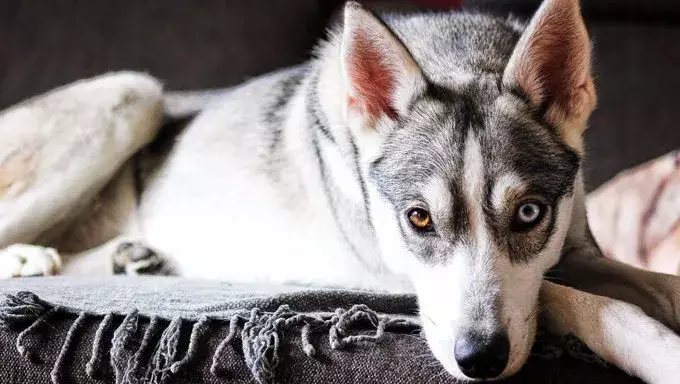
Maintaining the health of your dog goes beyond routine vet visits and vaccinations; a dog’s coat is often the first indicator of its overall well-being. A shiny and well-kept fur coat reflects adequate nutrition and proper care, making it an essential aspect of canine health. This article explores the indicators of a healthy coat, factors affecting coat quality, and how to maintain your dog’s hair and skin to keep them looking their best.
Key Signs of a Healthy Coat
When assessing your dog’s coat, you should utilize multiple senses. A healthy fur coat should be smooth, pliable, and free of excessive dryness or coarseness. Much like how we care for our own hair, dogs benefit from regular grooming. If you notice that your dog’s fur feels brittle or has an unusual texture, there could be underlying health issues that need to be addressed. Lustrous fur devoid of dullness or limpness is a telltale sign of good health.
Moreover, your canine companion’s coat shouldn’t just feel good but also look vibrant. A shiny coat sends a clear message that your dog is thriving. Just as humans use hair products to achieve splendid hair, the right dog care routine can render similar results. Any signs of dullness or roughness should prompt an evaluation of your dog’s diet and grooming habits.
The smell of your dog’s coat is another important indicator of its health. If you find that your dog emits a sour, oily, or nasty odor, it may be an indication that bacteria are thriving on their skin. Such smells might derive from skin irritation, flea infestations, or dry skin, all of which necessitate immediate attention. A well-maintained coat doesn’t carry offensive odors; hence the grooming schedule and bathing practices should be scrutinized.
Most veterinarians recommend bathing your dog no more than once a month to prevent stripping away natural oils that keep the skin and coat healthy. If your dog has naturally oily or excessively dry skin, consult a vet who can provide specific recommendations regarding shampoo and care products.
The primary factor contributing to your dog’s coat health is nutrition. A diet rich in fatty acids, quality proteins, and essential nutrients works wonders in maintaining a vibrant coat. Choose dog foods where meat, poultry, or fish is the foremost ingredient, steering clear of fillers like corn or wheat that add little nutritional value.
Adding a supplementary source of healthy fats such as fish oil or vegetable oil can enhance the sheen of your dog’s coat. However, feel free to consult your veterinarian before making changes to your dog’s diet or introducing new supplements. Proper nutrition lays the groundwork for coat vitality, serving as the building blocks for sustaining overall health.
Grooming: A Vital Antidote
Regular grooming is another critical component that plays a significant role in your dog’s coat care regime. Brushing your dog with a soft brush not only keeps the coat glossy but is also an opportunity to check for any parasites or skin conditions. Dogs that are not groomed regularly may suffer from matted fur, inviting skin infections like hot spots, especially in warmer months.
Incorporating flea control measures into your routine is equally vital. Preventative treatments should be administered according to the veterinarian’s advice to maintain a flea-free environment, safeguarding your dog against potential skin problems.
Shedding is an inherent part of a dog’s life cycle, and it’s crucial not to panic when you notice clumps of fur around your home. While regular brushing can help manage this natural phenomenon, shedding frequency can be influenced by various factors, including hormonal changes and environmental conditions.
To effectively tackle shedding, ensure that your grooming tools are up to par, and take gathering drops of fur in stride. Understanding that shedding doesn’t inherently signal an issue will help reduce anxiety and keep your bond with your canine companion stress-free.
When to Seek Professional Help
While regular checks at home are crucial, certain symptoms warrant a veterinary visit. Any notable changes in coat texture, presence of parasites, open sores, or signs of infection should be addressed promptly. Most skin conditions can be managed effectively with treatments, but timely veterinary intervention can significantly alleviate discomfort for your pet.
A healthy coat reflects your dog’s general health and happiness. By regularly assessing the condition of your dog’s fur, investing in high-quality nutrition, and establishing a thorough grooming routine, you can ensure your canine friend remains vibrant and healthy, inside and out. Your dedication to their care can make a profound difference, not just in coat appearance but in overall well-being.
