
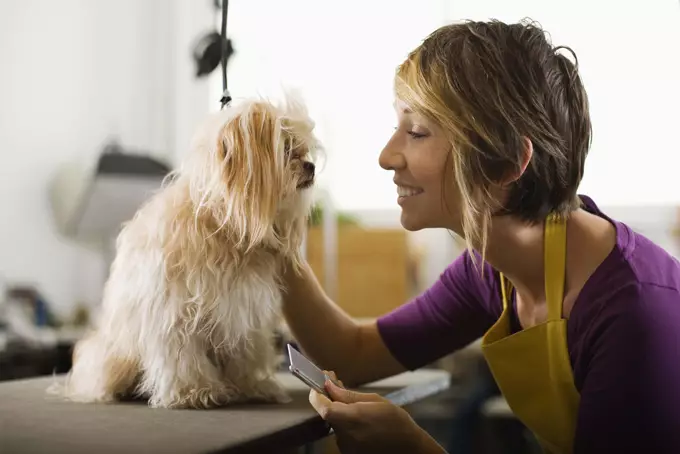
Grooming is an essential component of responsible pet ownership, contributing to both your dog’s physical health and emotional happiness. Dogs, just like humans, require regular maintenance to look and feel their best, yet many pet owners face challenges during grooming sessions. Understanding how to make these experiences positive and effective is crucial—not only for aesthetics but also for your dog’s overall well-being.
Grooming isn’t merely about aesthetics. Regular grooming helps to keep a dog’s coat clean and free of tangles and mats, which can lead to skin irritations and infections. It offers an excellent opportunity for pet owners to inspect their dog’s body for any abnormalities, such as skin lumps, parasites, or injuries. A well-groomed dog is typically healthier and often exhibits improved behavior, as grooming sessions can become a bonding experience that fosters trust between the pet and owner.
Before you begin any grooming activity, creating a calm environment is crucial. A well-timed grooming session right after a walk or playtime can help ensure that your dog is in a relaxed state. Start with short sessions that last around 5 to 10 minutes. This keeps your dog from becoming overwhelmed. Gradually increase the duration as they become more comfortable with the process. Always remember to shower your dog with praise and rewards, such as their favorite treats, to create a positive association with grooming.
Being gentle and patient will help your dog trust you with their grooming process. Take the time to engage in gentle petting all over their body, focusing on sensitive areas like paws, ears, and stomach. This will make them more amenable to having these areas attended to in later grooming sessions.
Every dog has different grooming needs based on their coat type, which makes selecting the appropriate tools vital. For short-coat breeds like Chihuahuas or Beagles, a soft-bristle brush can help remove surface dirt and loose hairs. However, if you have a dog with a thicker coat, such as a Retriever, investing in a slicker brush can prove to be invaluable in detangling mats. Long-haired breeds, like the Cocker Spaniel or Afghan Hound, require a more extensive grooming strategy, including daily brushing and regular trimming of the hair around sensitive areas.
Having the right tools makes all the difference. Assemble a grooming kit that includes various brushes, combs, nail clippers, and cleaning solutions specifically formulated for dogs, ensuring that their grooming sessions are as efficient and enjoyable as possible.
Bath time is often a highlight for dogs, especially if it involves splashing around in water. However, a successful bath requires proper preparation. Prior to bathing, ensure that you have brushed the coat to remove any tangles or dead hair. It’s vital to maintain a safe bathing environment—using a rubber mat in the tub can help prevent slips.
When it comes to water temperature, lukewarm is best. Avoid spraying water directly in your dog’s ears, nose, or eyes, utilizing a hand-held shower head or pitcher to keep bathing as comfortable as possible. Using dog-friendly shampoos will help ensure their skin remains healthy. After the bath, gently towel-dry your dog or use a hairdryer set on low, while providing supervision to prevent them from shaking off all their hard-won cleanliness.
Nail trimming can be an intimidating aspect of grooming for many pet owners and their dogs. Familiarizing your dog with having their paws handled is a step you can take to alleviate anxiety. Use sharp, high-quality nail clippers, cutting just the tip and avoiding the quick. Be prepared for accidents—having styptic powder on hand for emergencies is a wise precaution.
Certain breeds require additional attention due to their unique features. For instance, breeds like the Shar-Pei have skin folds that need regular cleaning to prevent dirt and bacteria buildup. Make a habit of inspecting and cleaning any problem areas weekly to maintain your dog’s health.
Grooming is not simply a chore; it’s an opportunity to bond with your furry friend. Keeping a routine, being patient, and employing the right techniques will transform grooming from a challenging task into a pleasing activity for both you and your dog. Remember, the heart of grooming lies in the love and care you provide, which enriches your pet’s life and strengthens your mutual bond. With regular attention and thoughtful practices, you can ensure an enjoyable grooming experience that leaves your canine companion looking—and feeling—wonderful.
