
Owning a dog can bring immense joy and companionship, yet it comes with responsibilities, especially regarding grooming. Each breed presents unique grooming challenges, and for some, these challenges demand consistent attention and care. This article will delve into some of the dog breeds with the highest grooming needs, focusing on the distinctive qualities of their coats and the necessary grooming practices to keep them in optimal condition.
Dog breeds can be categorized broadly based on their coat types, which range from short and wiry to long and luxurious. Breeds with short hair might require less frequent grooming, but those with longer or intricately textured coats often need a more robust grooming regimen. In particular, breeds with curly, corded, or double coats present unique grooming challenges, requiring specific techniques and tools to maintain their appearance and health.
For instance, the long and flowing coat of the Afghan Hound is known for its ethereal beauty but demands significant effort to maintain. Owners should prioritize regular baths and should brush the coat only when damp to avoid tangles and matting. Such careful handling not only preserves the dog’s aesthetic appeal but also contributes to overall skin health by preventing issues that arise from neglected grooming.
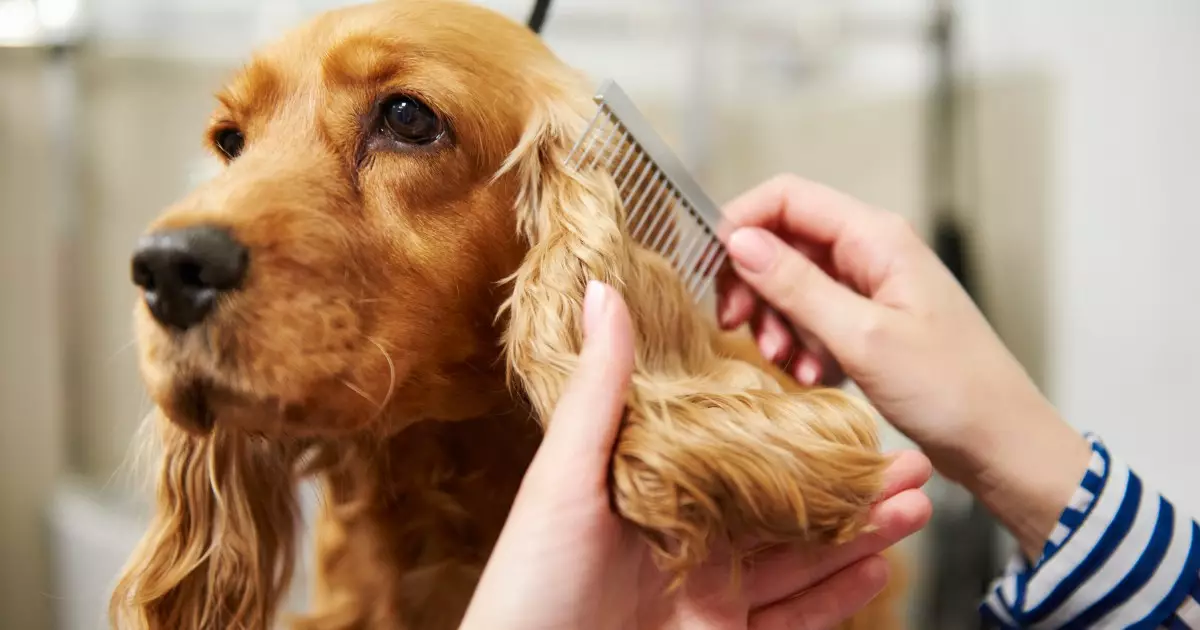
Among popular breeds, the Cocker Spaniel warrants special mention. Regardless of whether they are pampered show dogs or beloved family pets, these dogs need consistent care. Their plush coats require baths and trimming every 4 to 6 weeks. Additional attention to their long ears is crucial, as they are susceptible to infections. Regular cleaning can mitigate potential health risks, emphasizing the need for maintaining a grooming schedule.
Another breed that exemplifies grooming challenges is the Goldendoodle, a hybrid of the Golden Retriever and Poodle. Goldendoodles often inherit a curly coat that necessitates daily brushing to prevent mats from forming. Regular trips to a professional groomer ensure that their coats remain manageable and vibrant, further highlighting the significance of understanding a breed’s grooming requirements.
Dogs with corded coats, such as the Komondor and Puli, present unique care needs. Unlike traditional coats, these breeds develop natural dreadlocks, which do not require brushing. However, they must be bathed regularly to ensure their cords remain clean. Proper management of these coats is essential, particularly during puppyhood, to ensure the cords form correctly without tangling.
The Old English Sheepdog also requires a dedicated grooming approach due to its rough and dense undercoat, which can easily trap dirt and debris. Regular visits to a professional groomer every 4 to 6 weeks can help maintain the coat’s integrity, preventing matting and ensuring the dog remains comfortable.
Poodles, known for their continuously growing hair rather than fur, demand regular attention in the form of grooming and bathing. Poodle owners must commit to frequent trims to avoid matting and to keep their dogs looking stylish. The Shih Tzu, reminiscent of the Afghan Hound in terms of its grooming routine, also thrives on regular brushing and bathing with damp hair, which helps preserve its long, luxurious locks.
Interestingly, even breeds like the Siberian Husky, which may not seem high-maintenance at first glance, still require diligent grooming. Owners must avoid trimming or shaving to protect the Husky’s coat’s natural insulating properties. Daily brushing plays a vital role in managing shedding and maintaining skin health, demonstrating that every breed, regardless of perceived grooming needs, requires a thoughtful approach.
Successfully managing high-maintenance dog coats is not merely about aesthetics; it encompasses health, comfort, and overall well-being. Although each breed’s requirements vary, committed owners can navigate the grooming process with diligence and consistency. It is also beneficial for dog owners to familiarize themselves with common grooming pitfalls and seek professional grooming services when needed. By understanding and addressing grooming needs, dog owners can ensure their furry companions not only look great but also thrive in their care.
