Managing Your Dog’s Hot Spots: A Practical Guide for Pet Owners
Hot spots, scientifically known as pyrotraumatic dermatitis, are a common ailment affecting dogs. These localized areas of infection often arise from minor issues like insect bites, scratches, or irritations that have become infected. They manifest as inflamed, moist lesions that can spread if left unchecked. For many pet owners, dealing with a dog’s hot spot can be frustrating, prompting the question of whether home treatment is a viable option. Understanding the nature of hot spots and how to respond to them is crucial for effective treatment.
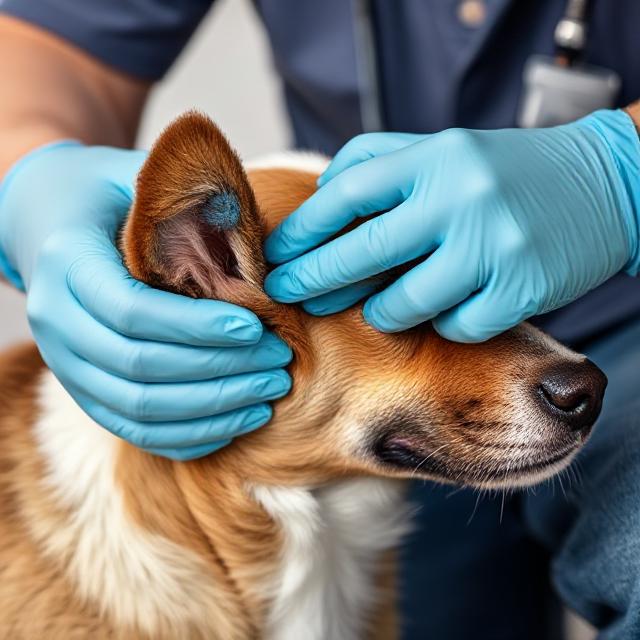
The success of managing hot spots largely hinges on early detection. When you first notice your dog scratching excessively or licking a particular area, examine the skin closely. Look for signs of redness, wetness, or any unusual discharge. If you suspect a hot spot is forming, immediate action is necessary. The first step is to clip the fur around the affected area. While this can be done at home by owners experienced with grooming, enlisting the help of a professional groomer is advisable if you lack confidence in using clippers.
Once you’ve managed the fur, the next step is the application of an appropriate antibacterial ointment. If you’ve previously been to the vet for a hot spot, you may have leftover antibiotic cream that can be utilized. It’s essential to follow the recommended application instructions, typically involving twice-daily usage. Consistent treatment is vital in aiding the healing process, which can take anywhere from a week to two weeks. Pay attention to how the lesion responds to treatment; if it starts to shrink and dry up, you’re likely on the right path.
Though it may be tempting to try and handle everything on your own, there are limits to self-treatment. If the hot spot does not begin to improve within a couple of days, or if it appears to be enlarging, it’s critical to seek veterinary assistance. An expanding lesion might indicate that the infection is more severe than initially thought, which can lead to further complications if not treated correctly. A veterinarian can provide not only stronger medications but also guidance on preventing future occurrences of hot spots.
After handling a hot spot, it’s also vital to consider preventive measures. Regular grooming can help minimize irritations that may lead to these infections. Keeping your dog’s environment clean and checking for ticks or fleas can also assist in reducing the chances of hot spots developing. Additionally, if your pet has a history of skin sensitivities, consult your veterinarian about possible dietary changes or allergies that may be contributing to the problem.
While you can manage your dog’s hot spots at home in certain circumstances, awareness and vigilance are critical. Early intervention, appropriate treatment, and recognizing when to seek veterinary care are vital components in ensuring your dog remains happy and healthy. By taking these measures, you can not only manage current ailments effectively but also create a safer, more comfortable environment for your furry companion.