
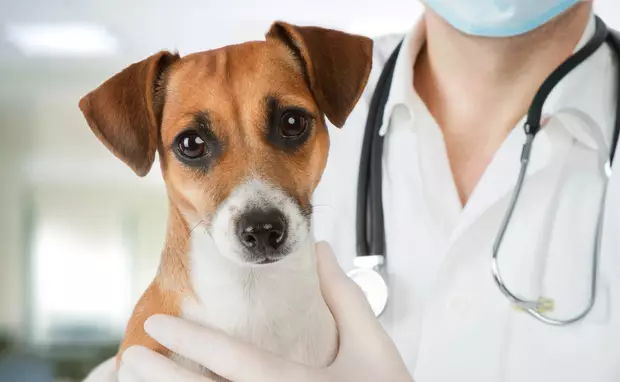
If you’re ready, let’s talk about the best home remedy for dog urinary tract infections that actually works
Your dog is squatting every few minutes, barely producing a trickle of urine. She’s licking herself constantly and whimpering when she tries to go. You know something’s wrong, but it’s 9 PM on a Sunday, and your vet’s office won’t open until morning. Sound familiar?
If your dog has a urinary tract infection, there are several home remedies that can provide relief while you arrange veterinary care. Increased water intake, cranberry supplements, and apple cider vinegar are among the most effective natural treatments for mild UTIs. That said, home remedies work best for early, uncomplicated infections. Severe symptoms always require professional veterinary attention.
I’ve been there myself. My golden retriever, Bailey, developed her first UTI at age seven, and I felt completely helpless watching her struggle. After working with my vet and researching evidence-based natural approaches, I learned which home treatments actually help and which ones are just internet myths.
Let’s talk about what really works when your furry friend is dealing with a urinary tract infection.
Understanding Dog Urinary Tract Infections
Before we jump into remedies, you need to know what you’re dealing with. A urinary tract infection happens when bacteria (usually E. coli) travel up through the urethra and multiply in the bladder. Female dogs get UTIs more often than males because their urethras are shorter, giving bacteria an easier path to the bladder.
According to research published in the Journal of Veterinary Internal Medicine, UTIs account for about 14% of all canine veterinary visits. That’s roughly one in seven trips to the vet. You’re definitely not alone in dealing with this.
The infection causes inflammation and irritation, which explains why your dog suddenly can’t seem to hold it or feels pain when urinating. Think about how miserable you feel with a UTI. Your dog is experiencing that same discomfort but can’t tell you what’s wrong.
Recognizing the Warning Signs
You can’t treat what you don’t recognize. Here’s what a dog with a UTI typically looks like:
Your house-trained dog suddenly starts having accidents indoors. She’s asking to go outside constantly, sometimes every 10 or 15 minutes. When she does urinate, it’s only a few drops, and she might cry or whimper while doing it. You notice her licking her genital area way more than usual.
The urine itself might look cloudy or darker than normal. Sometimes you’ll see blood, which can be terrifying but is actually a common UTI symptom. The urine often smells stronger or just “off” compared to usual.
Some dogs get lethargic or lose their appetite. Others develop a low-grade fever. Older dogs might seem confused or start having accidents in places they’ve never had them before.
Here’s the critical part: If your dog cannot urinate at all, is vomiting, has a high fever, or seems extremely lethargic, skip the home remedies and get to an emergency vet immediately. These symptoms suggest a complete blockage or kidney infection, both of which are medical emergencies. Male dogs, especially, can develop life-threatening blockages that require urgent care.
The Most Effective Home Remedy for Dog Urinary Tract Infections
1. Water, Water, and More Water
This sounds too simple to work, but increasing your dog’s water intake is the single most important thing you can do at home. Flushing the urinary tract with fluids helps wash out bacteria before they can multiply and cause more problems.
The challenge is getting your dog to drink more. Dogs with UTIs often feel crummy and don’t want to drink. Here’s how I got Bailey to increase her intake:
Add low-sodium chicken broth to her water bowl. Most dogs find this irresistible. You can also try beef broth, but make sure it doesn’t contain onions or garlic, which are toxic to dogs.
Switch from dry kibble to wet food temporarily. Canned food contains about 70% to 80% moisture, compared to only 10% in dry food. That’s a huge difference in water intake.
Place multiple water bowls around the house. Sometimes, dogs drink more when water is conveniently located. I put bowls in the living room, bedroom, and backyard.
Offer ice cubes as treats. Many dogs love crunching on ice, and it’s a sneaky way to increase hydration.
Add a splash of tuna water to their bowl. Just a tiny bit from a can of tuna (in water, not oil) can make drinking more appealing.
Your dog should be urinating regularly and producing clear, diluted urine. This helps prevent bacteria from clinging to the bladder walls.
2. Cranberry Supplements Designed for Dogs
You’ve probably heard that cranberries help with UTIs, and there’s actual science behind this. Cranberries contain compounds called proanthocyanidins that prevent E. coli bacteria from sticking to the bladder wall. If bacteria can’t attach, they get flushed out when your dog urinates.
But here’s where many people go wrong. Do not give your dog cranberry juice from the grocery store. Those juices are loaded with sugar, which can actually make a UTI worse by feeding the bacteria. Some contain artificial sweeteners like xylitol, which is extremely toxic to dogs.
Instead, use cranberry supplements specifically made for dogs. These come in chewable tablets or powder form. A typical dose is about 100 to 400 mg per day, depending on your dog’s size, but always check the product label or ask your vet.
I used a cranberry supplement for Bailey that also contained D-mannose, which we’ll talk about in a moment. She took it twice daily with her meals, and I noticed improvement within about 48 hours.
3. Apple Cider Vinegar
Apple cider vinegar has natural antibacterial properties and can help balance the pH of your dog’s urine, making it harder for bacteria to thrive. The acidic environment is less hospitable to the bacteria causing the infection.
Use raw, unfiltered apple cider vinegar with “the mother” (that cloudy stuff at the bottom). This type contains beneficial enzymes and bacteria.
The standard dose is about one teaspoon of apple cider vinegar per 15 pounds of body weight. Mix it into your dog’s food or water once or twice daily. Start with a smaller amount if your dog has a sensitive stomach.
My 65-pound golden retriever got about one tablespoon mixed into her wet food at dinner. She didn’t even notice it was there, especially when I mixed it well.
Don’t use apple cider vinegar if your dog has kidney disease or is on medications that affect potassium levels. Always check with your vet if you’re unsure.
4. Vitamin C for Immune Support
Vitamin C does two helpful things during a UTI. First, it acidifies the urine, which many bacteria don’t like. Second, it supports your dog’s immune system in fighting off the infection.
Dogs actually produce their own vitamin C, unlike humans, but extra supplementation during illness can help. A general guideline is 100 mg of vitamin C per 10 pounds of body weight, divided into two doses daily.
You can find chewable vitamin C tablets made for dogs, or use a powder form mixed into food. Too much vitamin C can cause diarrhea, so if your dog develops loose stools, reduce the dose.
5. Probiotics for Overall Health
This might surprise you, but gut health and urinary tract health are connected. Research from the American Kennel Club Canine Health Foundation has shown that dogs with healthier gut bacteria tend to have fewer UTIs.
Probiotics help maintain a healthy balance of good bacteria throughout your dog’s body, including the urinary tract. They’re especially important if your dog ends up needing antibiotics, which kill both bad and good bacteria.
You can give your dog plain, unsweetened yogurt with live cultures (about one tablespoon per 10 pounds of body weight), but canine-specific probiotic supplements are usually more effective. Look for products containing Lactobacillus and Bifidobacterium strains.
I give Bailey a probiotic chew every morning with breakfast, even when she’s healthy. It’s become part of her preventive care routine.
6. Frequent Bathroom Breaks
This seems obvious, but it’s crucial. Your dog needs to urinate frequently to keep flushing out bacteria. Holding urine allows bacteria to multiply in the bladder.
During a UTI, take your dog out every two to three hours if possible. I know this isn’t always realistic, especially if you work full-time. Consider hiring a dog walker for midday breaks, or use a doggy door if you have a secure yard.
At night, I took Bailey out right before bed and set an alarm for one middle-of-the-night potty break. Yes, it was exhausting, but it helped her recover faster.
Never scold your dog for accidents during a UTI. She literally cannot help it. The infection creates such urgency that she might not make it outside in time.
7. D-Mannose: The Secret Weapon
D-mannose is a type of sugar that works similarly to cranberry but is often more effective. It prevents bacteria from sticking to the bladder walls. The bacteria attach to the D-mannose instead and get flushed out through urination.
Studies have shown D-mannose to be particularly effective against E. coli, which causes the majority of dog UTIs. You can find it in powder or capsule form at health stores or online.
The typical dose is about 500 mg per 25 pounds of body weight, given twice daily. Mix the powder into wet food or a small amount of broth.
I discovered D-mannose after Bailey’s second UTI, and honestly, I wish I’d known about it sooner. Combined with increased water intake, it made a noticeable difference within 24 hours.
Supporting Your Dog’s Recovery
Beyond specific remedies, some lifestyle adjustments help your dog heal faster.
Diet matters. Feed high-quality food with real meat as the first ingredient. Some veterinary studies suggest that dogs eating premium diets have fewer UTIs overall. Avoid foods high in magnesium during a UTI, as this mineral can contribute to crystal formation in the urine.
Keep things clean. If your dog has long hair around her rear end, trim it short to prevent bacteria from lingering near the urethra. Gently clean the genital area with a warm, damp cloth after she urinates.
Reduce stress. Stress weakens the immune system and can make infections worse. Keep your dog’s routine as normal as possible. Provide a quiet, comfortable place to rest.
Gentle exercise is fine. You don’t need to confine your dog to bed rest, but avoid strenuous activity until she’s feeling better. Short, easy walks are perfect.
What Not to Do
Some popular “home remedies” floating around the internet are ineffective or downright dangerous.
Never give your dog human antibiotics left over from your own prescriptions. Dogs need different antibiotics and dosages. Using the wrong antibiotic can create resistant bacteria and make the infection worse.
Don’t use essential oils internally. While some essential oils have antibacterial properties, they can be toxic to dogs when ingested. Stick to proven, safe remedies.
Avoid giving large amounts of citrus fruits. A little vitamin C is helpful, but too much citrus can upset your dog’s stomach.
Skip the cranberry juice cocktails. I already mentioned this, but it bears repeating because it’s such a common mistake. The sugar content does more harm than good.
When Home Remedies Aren’t Enough
Be realistic about what home remedies can and cannot do. They work well for mild, early-stage UTIs. They’re also great as supportive care alongside veterinary treatment. But they’re not substitutes for antibiotics when a bacterial infection has taken hold.
Give home remedies 24 to 48 hours to show improvement. If your dog isn’t getting better or is getting worse, call your vet. Some signs that it’s time for professional help include:
Blood in the urine that’s getting heavier, not lighter. Fever above 102.5°F. Complete loss of appetite for more than 24 hours. Vomiting or diarrhea. Back pain or sensitivity around the kidney area. Confusion or extreme lethargy.
Your vet will likely want to do a urinalysis to confirm the UTI and identify which bacteria are causing it. They might prescribe antibiotics, usually for 7 to 14 days. You can continue using home remedies alongside antibiotics to support your dog’s recovery.
Preventing Future UTIs
Once your dog has had one UTI, she’s more likely to get another. Prevention becomes really important.
Make sure your dog always has access to fresh, clean water. Encourage drinking throughout the day. Dogs should urinate at least every six to eight hours, more often if possible.
Take your dog out first thing in the morning, after meals, and right before bed at a minimum. The longer urine sits in the bladder, the more chance bacteria have to grow.
Consider giving cranberry or D-mannose supplements year-round as a preventive measure. Many vets recommend this for dogs prone to UTIs.
Keep your dog at a healthy weight. Obesity can contribute to UTIs because overweight dogs often can’t clean themselves properly.
If your female dog isn’t spayed, talk to your vet about the procedure. According to the Merck Veterinary Manual, spayed females have fewer UTIs than intact females.
Feed a high-quality diet and consider a prescription urinary health food if your dog gets frequent infections. These foods are formulated to maintain optimal urine pH and prevent bacterial growth.
Final Thoughts
Watching your dog suffer with a urinary tract infection is stressful, but you’re not powerless. Home remedies like increased water intake, cranberry supplements, apple cider vinegar, and D-mannose can provide real relief for mild infections and support recovery when used alongside veterinary care.
The key is acting quickly and knowing when to escalate to professional treatment. Trust your instincts. You know your dog better than anyone. If something feels seriously wrong, it probably is.
Bailey made a full recovery from her UTI and hasn’t had another one in two years. I credit that to quick treatment, consistent prevention, and lots of water. Now I keep cranberry supplements and D-mannose on hand, just in case.
Your dog depends on you to recognize when something’s wrong and get her the help she needs. With the right combination of home care and veterinary guidance, most UTIs clear up quickly, and your pup will be back to her normal, happy self before you know it.
Remember, these home remedies work best as first aid or preventive care. They’re tools in your toolbox, not replacements for veterinary medicine. When in doubt, make the call to your vet. It’s always better to be safe when it comes to your best friend’s health.

- Dog Pink Eye Home Remedy: Natural Ways to Soothe Your Pup’s Red, Irritated Eyes - January 15, 2026
- Home Remedies for Dog UTI - January 15, 2026
- Stop Panic! Vet First & Safe Home Remedies for Dog Who Ate Chicken Bones - January 15, 2026