
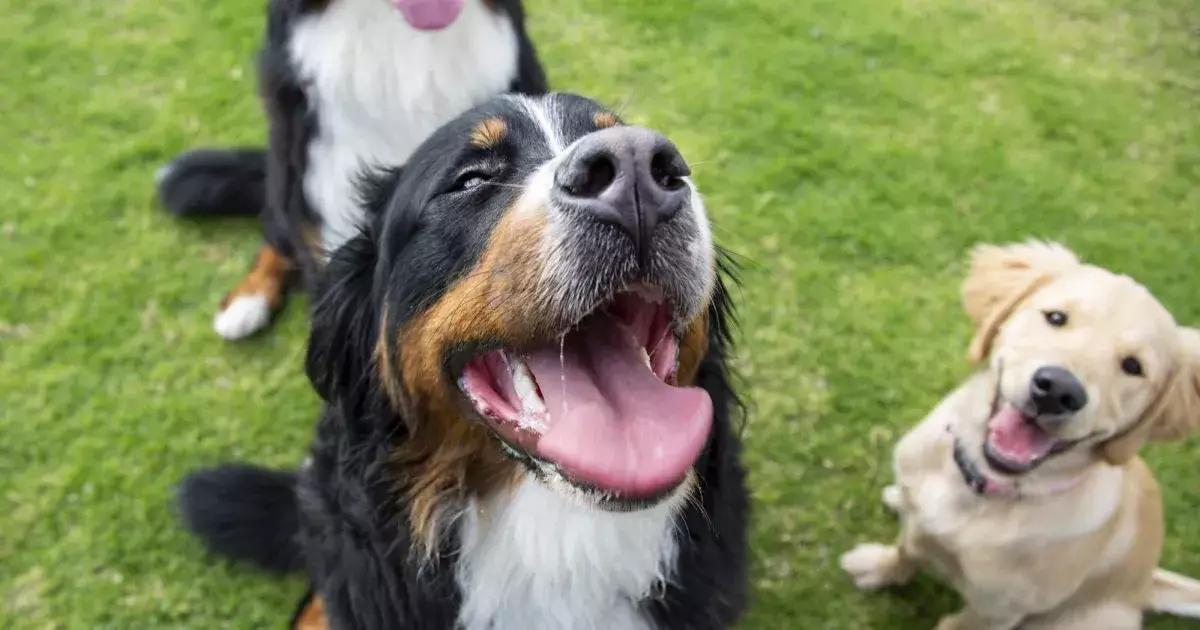
The Unwritten Rules of the Dog Park: A Guide to Socializing with Canine and Human Companions
Dog park etiquette is the invisible framework that keeps shared dog spaces safe, enjoyable, and respectful for everyone involved. While dog parks are designed for off-leash fun and socialization, they also bring together dogs with different temperaments and humans with very different expectations. Understanding the unwritten rules helps prevent conflict, reduces stress, and creates an environment where both dogs and people can thrive.
This guide explains how to navigate dog park dynamics with confidence — from reading canine body language to handling awkward human interactions — so you can enjoy your visits while being a responsible, respected member of the dog park community.
Why Dog Park Etiquette Matters More Than You Think
Dog parks function on trust. There are no referees, no formal supervision, and few written rules beyond posted signage. Instead, they rely on shared responsibility and social awareness.
Good dog park etiquette helps:
- Prevent fights and injuries
- Reduce anxiety in dogs
- Avoid conflict between people
- Promote positive socialization
- Create a safer, more welcoming environment
Without etiquette, even well-designed parks can become stressful or unsafe. Understanding how to read situations and respond thoughtfully is essential for every dog owner.
Start With Your Dog: Know Their Personality Before Entering
Before focusing on other people, the most important relationship to understand is the one you have with your own dog.
Every dog has a unique temperament. Some are confident and playful, while others are cautious, selective, or easily overwhelmed. A successful dog park visit starts with honest self-assessment.
Ask yourself:
- Does my dog enjoy being around unfamiliar dogs?
- How do they respond to high energy or rough play?
- Do they recover quickly from stress?
- Can I reliably call them back?
- Are they easily overstimulated?
A dog that thrives in one-on-one play may struggle in crowded parks. That doesn’t make them “bad” or poorly trained — it simply means their needs are different.
Reading Canine Body Language: A Core Skill for Dog Park Safety
Understanding dog communication is one of the most important aspects of dog park etiquette. Dogs communicate primarily through posture, movement, facial expression, and energy.
Signs of relaxed, healthy play:
- Loose, wiggly bodies
- Play bows
- Role reversals (taking turns chasing)
- Pauses between play
- Bouncy, curved movement
Signs of stress or tension:
- Stiff posture
- Raised hackles
- Hard staring
- Growling with tension
- Repeated mounting
- Cornering or pinning
- Excessive avoidance
Recognizing these cues early allows you to intervene before situations escalate.
Observing Before Entering: The Most Overlooked Rule
One of the simplest yet most effective dog park habits is pausing before entering.
Take 30–60 seconds to observe:
- How many dogs are inside
- Their play intensity
- The size and energy mix
- Whether owners are attentive
- The overall tone of the environment
If the energy feels chaotic or tense, it’s okay to leave or wait. Walking away is not a failure — it’s responsible decision-making.
How to Enter the Dog Park Properly
The entrance area is often where tension begins. Dogs tend to crowd gates, and excitement runs high.
Best practices include:
- Remove leashes before entering the main area (if required by park rules)
- Avoid letting dogs greet through the gate
- Enter calmly and confidently
- Keep your dog focused until fully inside
- Step away from the entrance quickly
Lingering at the gate can create bottlenecks and trigger reactive behavior.
Managing Interactions Between Dogs
Not all play styles are compatible. Some dogs wrestle, some chase, some prefer gentle sniffing. Understanding this helps prevent misunderstandings.
When play is healthy:
- Both dogs willingly re-engage
- Movement stays fluid
- No dog appears trapped
- Breaks happen naturally
When to intervene:
- One dog repeatedly ignores disengagement signals
- Play escalates in intensity
- One dog tries to escape
- Vocalizations change in tone
- Body language stiffens
Intervention doesn’t require yelling. Calmly calling your dog away or stepping between dogs (without grabbing) is often enough.
Handling Misbehavior Without Creating Conflict
Dog parks are social spaces, and emotions can run high. When problems arise, how you respond matters more than what happened.
If another dog is bothering yours:
- Call your dog to you first
- Create distance
- Avoid accusations
- Stay calm and neutral
Saying something like, “Let’s give them a little space,” keeps the tone cooperative rather than confrontational.
If your dog causes a problem:
- Acknowledge it calmly
- Apologize briefly
- Redirect or leash your dog
- Take a break if needed
Defensiveness often escalates situations unnecessarily. Ownership builds trust.
Handling Accidents and Awkward Moments Gracefully
Dogs are unpredictable. Jumping, muddy paws, or accidental collisions happen.
If your dog jumps on someone or causes a minor mess:
- Apologize sincerely
- Regain control of your dog
- Move on without overexplaining
Over-apologizing or offering compensation for minor issues can make interactions uncomfortable. Most dog park regulars understand that minor mishaps are part of the environment.
When to Speak Up — and When to Step Back
Not every situation requires intervention, but some do.
Speak up when:
- A dog is at risk of injury
- A fight seems imminent
- Someone is being unsafe
- A dog appears neglected or harmed
In serious situations, alert park staff or local authorities rather than confronting aggressively.
Step back when:
- Play looks rough but consensual
- Another owner is managing their dog
- The issue is minor and temporary
Learning this distinction is key to peaceful park dynamics.
Dealing With Poor Etiquette From Other Owners
You may encounter people who:
- Ignore their dogs
- Use phones excessively
- Bring inappropriate toys or food
- Fail to clean up
- Dismiss concerns
While frustrating, confrontation rarely leads to positive outcomes. A neutral, respectful approach works better.
Examples of gentle phrasing:
- “Hey, I think your dog might be getting a bit overwhelmed.”
- “Just a heads-up — food can cause issues here.”
- “Looks like something got missed over there.”
Tone matters more than words.
Building Positive Relationships With Other Dog Owners
Dog parks often become small communities. Building rapport makes visits smoother and more enjoyable.
Simple ways to connect:
- Learn names (both dogs and humans)
- Exchange small talk
- Share training tips when invited
- Offer support or encouragement
- Be approachable and respectful
Over time, these connections create trust. This trust makes communication easier when issues arise and fosters a cooperative atmosphere.
When Dog Parks Aren’t the Right Fit
Not every dog benefits from dog parks, and that’s okay.
Dogs who may struggle include:
- Highly anxious dogs
- Dogs with resource guarding issues
- Dogs recovering from trauma
- Very young puppies
- Dogs with health or mobility concerns
Alternative enrichment options include:
- Structured playdates
- Leashed social walks
- Training classes
- Scent work
- Backyard play
Choosing alternatives is responsible, not restrictive.
Safety Essentials Every Dog Owner Should Follow
To protect everyone at the park:
- Keep vaccinations up to date
- Bring water for your dog
- Avoid peak hours if your dog is sensitive
- Remove choke or prong collars
- Supervise actively
- Leave at the first sign of trouble
Safety is a shared responsibility.
Teaching Children About Dog Park Etiquette
If children are present, supervision is critical. Kids should understand that dog parks are designed primarily for dogs.
Teach children to:
- Avoid running or screaming
- Ask before petting
- Stand still if approached
- Never interfere in dog play
- Respect boundaries
Clear guidance prevents accidents and misunderstandings.
Learning From Every Visit
Every dog park visit offers insight into your dog’s preferences, stress thresholds, and social style.
Pay attention to:
- How long your dog enjoys staying
- Which dogs they gravitate toward
- What triggers overstimulation
- When they disengage naturally
This awareness helps you tailor future outings for success.
Creating a Healthier Dog Park Culture
Positive dog park culture doesn’t happen by accident. It’s built through small, consistent actions:
- Staying attentive
- Practicing patience
- Communicating respectfully
- Modeling good behavior
- Supporting others without judgment
When enough people do this, the entire environment improves.
Frequently Asked Questions
What is proper dog park etiquette?
Proper dog park etiquette includes supervising your dog, respecting others, cleaning up after your pet, managing behavior, and communicating calmly when issues arise.
Should I bring toys or treats to a dog park?
Many parks discourage them because they can trigger guarding or conflict. Check posted rules before bringing items.
How long should a dog stay at the park?
Most dogs do best with 30–60 minutes, depending on energy level and stimulation.
What if my dog doesn’t like the dog park?
That’s normal. Not all dogs enjoy group play. Alternative activities can meet their needs just as well.
When should I leave the dog park?
Leave if your dog appears stressed, overtired, or if the environment becomes unsafe.
Final Thoughts: Creating Better Dog Park Experiences Together
The unwritten rules of the dog park aren’t about control — they’re about consideration. By understanding canine behavior, communicating thoughtfully, and staying aware of your surroundings, you help create a space where dogs can play freely and people can relax.
A successful dog park visit isn’t measured by how long you stay or how social your dog appears. It’s measured by safety, comfort, and positive interaction. When everyone commits to these principles, the dog park becomes what it’s meant to be: a shared space built on trust, respect, and joy.
