
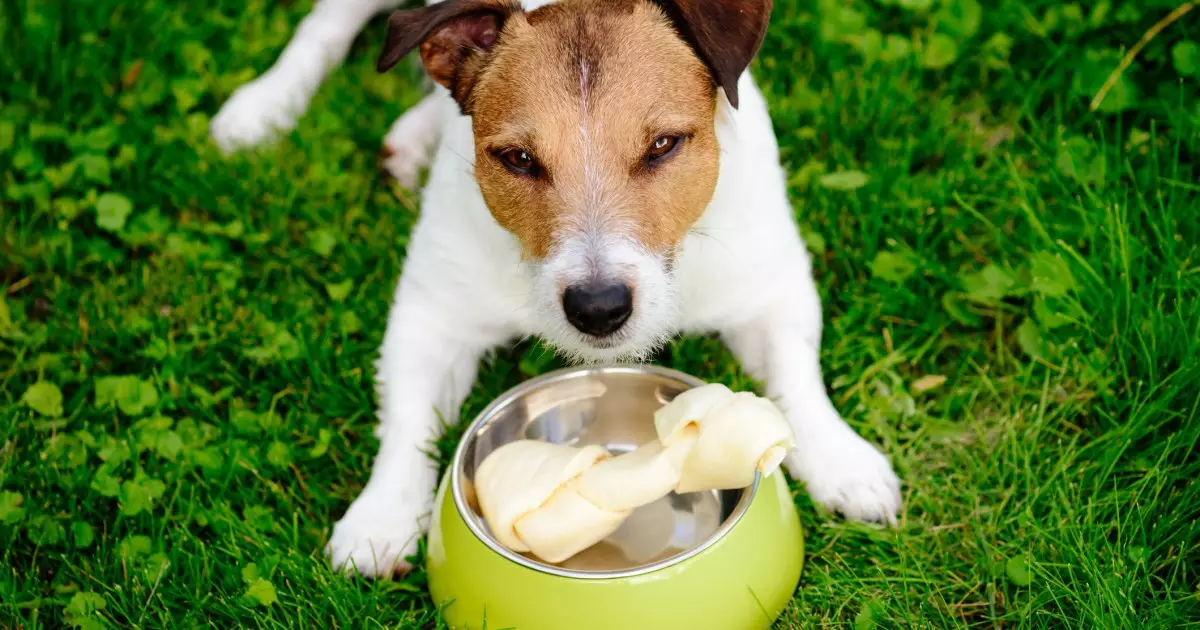
Resource guarding in dogs is a common—and often misunderstood—behavior where a dog protects items they consider valuable, such as food, toys, bones, sleeping areas, or even people. If your dog growls when you approach their bowl, stiffens when someone reaches for a toy, or snaps when disturbed while resting, you’re not alone. The good news is that resource guarding is not a sign of a “bad dog.” It’s a communication problem rooted in fear, learning history, and instinct—and it can be addressed safely and effectively.
This guide explains why dogs resource guard, how to recognize early warning signs, what not to do, and the most effective, humane strategies for reducing and managing guarding behavior. Whether you’re dealing with mild tension or more serious displays, understanding the behavior is the first step toward meaningful improvement.
What Is Resource Guarding in Dogs?
Resource guarding is a behavior in which a dog uses body language or actions to control access to something they value. From the dog’s perspective, the behavior serves a purpose: it keeps important resources from being taken away.
Resources commonly guarded include:
-
Food bowls or treats
-
Chews, bones, or toys
-
Stolen or found objects
-
Sleeping spots or crates
-
People (often one specific family member)
Guarding exists on a spectrum. Some dogs show subtle signs, while others escalate to growling, snapping, or biting if they feel threatened.
Why Resource Guarding Happens
Resource guarding is not about dominance or “trying to be alpha.” It is most often driven by fear of loss.
Key factors that contribute to resource guarding
Instinctual survival behavior
Dogs descended from animals that had to compete for limited resources. Guarding ensured survival.
Learning history
Dogs who have had items taken away abruptly—or punished around resources—may learn that humans approaching means loss.
Insecurity or anxiety
Dogs who feel uncertain about access to food, space, or safety are more likely to guard.
Genetic predisposition
Some dogs are naturally more sensitive or cautious, which can influence guarding tendencies.
Environmental stress
Crowded homes, inconsistent routines, or competition with other pets can intensify guarding behavior.
Importantly, many dogs guard even in loving, stable homes. The behavior does not automatically mean neglect or poor ownership.
What Resource Guarding Is Not
Understanding what resource guarding isn’t can prevent harmful responses.
Resource guarding is not:
-
A desire to dominate humans
-
Spiteful or manipulative behavior
-
A sign your dog doesn’t trust you
-
Something that should be punished out of a dog
Punishment often suppresses warning signals without resolving the fear underneath—making bites more likely, not less.
Early Warning Signs of Resource Guarding
Dogs almost always warn before escalating. Learning to recognize these signals is critical for safety and progress.
Subtle signs (often missed)
-
Freezing over an item
-
Eating faster when approached
-
Turning the head away while keeping eyes on you
-
Lowering the body over the resource
-
Tensing muscles
More obvious signs
-
Hard staring
-
Growling
-
Lip lifting or snarling
-
Snapping
-
Lunging
Growling is communication—not disobedience. A dog that growls is saying, “I’m uncomfortable. Please back off.” Respecting that message prevents escalation.
Common Scenarios Where Resource Guarding Appears
Resource guarding doesn’t always show up at mealtime. Many owners are surprised by where it occurs.
Food-related guarding
-
Approaching the bowl while eating
-
Picking up unfinished food
-
Children walking past during meals
Toy or object guarding
-
Bones, chews, or high-value toys
-
Items the dog “shouldn’t” have
Space guarding
-
Beds, couches, crates
-
Favorite resting spots
People guarding
-
Growling when someone approaches a specific person
-
Blocking access to an owner
Each context may require slightly different management strategies.
Why Punishment Makes Resource Guarding Worse
One of the most damaging myths is that you should “show the dog who’s boss” by taking items away or scolding them.
Punishment teaches the dog:
-
Humans approaching = danger
-
Warning signals don’t work
-
Escalation happens faster
Over time, the dog may skip growling altogether and go straight to snapping or biting.
Effective solutions focus on changing emotional responses, not suppressing behavior.
Safety First: Managing Resource Guarding
Before starting behavior modification, safety and management are essential.
Immediate management strategies
-
Do not challenge or test your dog
-
Avoid reaching for guarded items
-
Feed dogs separately if needed
-
Prevent children from interacting around resources
-
Use barriers or distance to reduce conflict
Management is not failure—it’s prevention. It keeps everyone safe while you work on long-term change.
The Foundation of Change: Emotional Reconditioning
The most effective approach to resource guarding is desensitization and counterconditioning. The goal is simple: teach the dog that human presence near resources predicts good things, not loss.
This process changes how the dog feels, which then changes how they behave.
Step-by-Step: Desensitization for Resource Guarding
Step 1: Identify the threshold
Find the distance at which your dog notices you but does not guard.
This might be:
-
Several feet away
-
Across the room
-
Just entering the space
You must start below the point where guarding appears.
Step 2: Pair your presence with something better
At the safe distance:
-
Toss a high-value treat (better than the guarded item)
-
Leave immediately after delivering the treat
Your presence should add value, not take it away.
Repeat until your dog visibly relaxes when you appear.
Step 3: Gradually decrease distance
Over multiple sessions:
-
Move slightly closer
-
Change approach angles
-
Vary timing
Progress slowly. If guarding signals return, you’ve moved too fast—step back.
Step 4: Practice with different resources
Once progress is made with one item:
-
Practice with other toys
-
Practice during meals
-
Practice in different locations
Generalization is key for lasting change.
Teaching Trade and Release Cues
Teaching your dog that giving something up leads to something better builds trust.
Helpful cues include:
-
“Drop it”
-
“Leave it”
-
“Trade”
Start with low-value items and work up gradually. Never force removal.
How Long Does It Take to Improve Resource Guarding?
There is no universal timeline.
Improvement depends on:
-
Severity of guarding
-
Dog’s temperament
-
Consistency of training
-
Household environment
Some dogs improve in weeks. Others require months of structured work. Progress is often gradual, not linear.
Puppies and Early Prevention
Preventing resource guarding is easier than fixing it later.
Puppy prevention strategies
-
Hand-feed portions of meals
-
Add treats to the bowl while eating
-
Practice gentle object exchanges
-
Avoid teasing or taking items away
Positive early experiences build lifelong trust.
Resource Guarding Between Dogs
Guarding between dogs is common and requires careful management.
Key strategies
-
Feed dogs separately
-
Pick up high-value items when unsupervised
-
Avoid forcing “sharing”
-
Supervise interactions closely
Do not attempt behavior modification between dogs without professional guidance if aggression is present.
The Role of Stress and Environment
Stress amplifies guarding behavior.
Common stressors include:
-
Inconsistent routines
-
Overcrowded spaces
-
Lack of enrichment
-
Competition for attention
Reducing overall stress often reduces guarding intensity.
Medical Factors to Rule Out
Pain and illness can increase irritability and guarding.
Consult a veterinarian if:
-
Guarding appears suddenly
-
Behavior escalates quickly
-
The dog shows signs of discomfort
Medical issues should always be ruled out before behavior-only intervention.
Spaying and Neutering: What to Know
Spaying or neutering may reduce certain hormone-driven behaviors, but it is not a cure for resource guarding.
Behavior change still requires training and emotional reconditioning.
When to Seek Professional Help
Professional guidance is strongly recommended if:
-
Biting has occurred
-
Children are involved
-
Guarding is severe or escalating
-
You feel unsafe
A qualified canine behavior professional can create a tailored plan that prioritizes safety and progress.
Common Mistakes to Avoid
-
Punishing growling
-
Forcing item removal
-
Moving too quickly in training
-
Inconsistent responses
-
Ignoring early warning signs
Avoiding these mistakes is just as important as applying the right techniques.
Frequently Asked Questions About Resource Guarding in Dogs
Is resource guarding normal in dogs?
Yes. It’s a natural behavior that becomes a problem only when it threatens safety or quality of life.
Can resource guarding be cured?
Many dogs improve significantly. Some may always need management, but severity can often be reduced.
Should I take food away to show my dog I’m in control?
No. This increases fear and guarding behavior.
Can older dogs learn not to guard?
Yes. Age does not prevent learning, though progress may be slower.
Is resource guarding aggression?
It’s a form of defensive behavior driven by fear, not dominance.
Final Thoughts: Building Trust Around Resources
Resource guarding in dogs is not a character flaw—it’s communication. When dogs guard, they are telling us they feel unsafe about losing something important.
By listening to that message, responding with patience, and using humane, evidence-based strategies, you can replace fear with trust. Progress takes time, but the outcome—a safer, calmer, more confident dog—is well worth the effort.
Understanding resource guarding isn’t about control. It’s about creating a relationship where your dog no longer feels the need to protect what matters most.
