
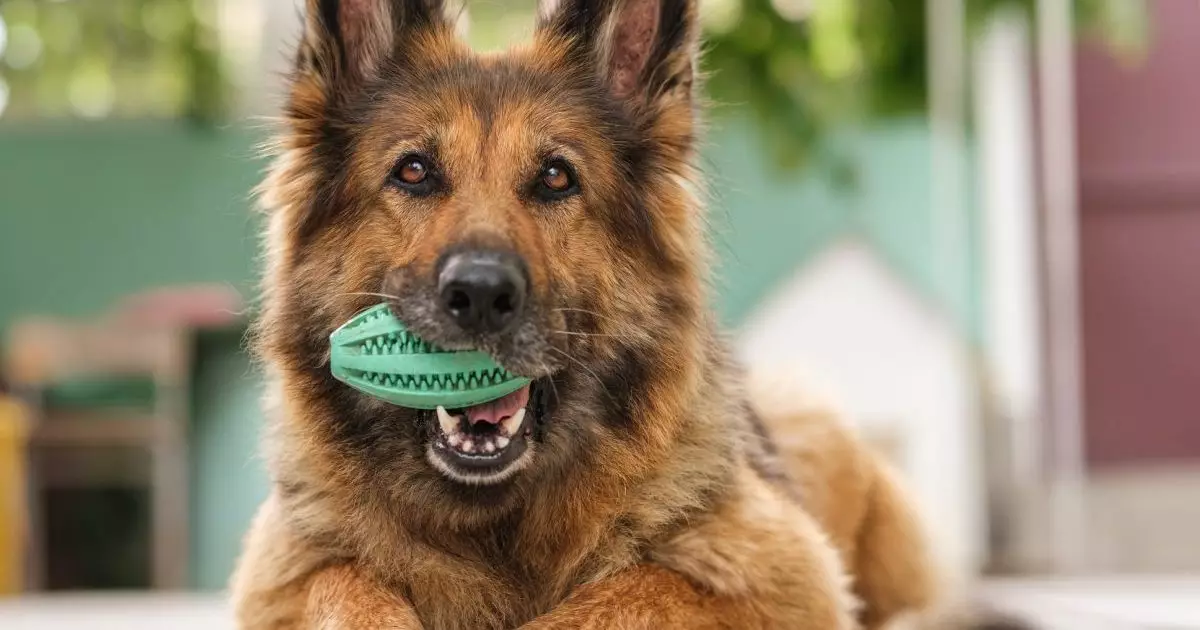
Understanding your dog’s playtime preferences starts with a simple truth: dogs don’t play randomly. The toys they choose, the way they interact with them, and how long their interest lasts are all shaped by instinct, learning, sensory stimulation, and—most importantly—human involvement. If you’ve ever bought an expensive toy only to watch your dog ignore it in favor of a sock or cardboard box, you’ve already seen this principle in action.
Recent behavioral research, including studies from veterinary and animal behavior programs, has helped clarify why dogs prefer certain toys, why novelty matters more than price, and why no toy—no matter how cleverly designed—can replace interactive play with a human. This article breaks down what science tells us about how dogs play, what drives their preferences, and how owners can use this knowledge to create richer, safer, and more satisfying play experiences.
Why Dog Toy Preferences Matter More Than You Think
Play is not just entertainment for dogs. It is a core component of their physical health, mental stimulation, emotional regulation, and social bonding.
When play needs are unmet, dogs may develop:
-
Boredom-related behaviors
-
Destructive chewing
-
Excessive barking
-
Anxiety or restlessness
-
Reduced engagement with owners
Understanding what motivates your dog during play allows you to meet these needs more effectively—without constantly buying new toys that go unused.
The Evolutionary Roots of How Dogs Play
Modern dogs may sleep on couches and eat from bowls, but their brains are still shaped by their evolutionary past.
Behavioral research shows that dogs often interact with toys the same way their ancestors interacted with prey. This doesn’t mean dogs want to hunt—it means their play behaviors are deeply tied to instinctive patterns such as:
-
Chasing moving objects
-
Grabbing and shaking
-
Tearing or dissecting
-
Carrying items away
-
Guarding prized objects
Toys that trigger these behaviors tend to hold attention longer than toys that don’t.
Why Dogs Prefer Some Toys and Ignore Others
One of the most important findings in recent research is that no single toy feature guarantees long-term interest.
Instead, dogs respond to a combination of factors:
-
Novelty
-
Texture
-
Sound
-
Scent
-
Ease of manipulation
-
Social context
When a toy becomes predictable, its appeal fades—regardless of how “fun” it once seemed.
The Role of Novelty in Dog Play
Novelty is one of the strongest drivers of play engagement.
Dogs are highly sensitive to:
-
New textures
-
New sounds
-
New scents
-
New movement patterns
A toy that is exciting on day one may become boring by day five—not because it’s defective, but because the dog has fully explored its sensory properties.
This explains why:
-
Dogs rotate interest between toys
-
Old toys regain appeal after being put away
-
Simple objects sometimes outperform complex ones
Rotation, not accumulation, is the key to maintaining interest.
Texture: Why Mouthfeel Matters
Dogs experience toys primarily through their mouths. Texture plays a major role in how rewarding a toy feels.
Commonly preferred textures include:
-
Soft but resistant materials
-
Flexible rubber
-
Plush fabric that can be compressed or torn
-
Items that “give” under pressure
Hard, unyielding toys often lose appeal quickly unless paired with food or movement.
Sound: The Attention Trigger
Sound adds unpredictability, which increases engagement.
Toys that:
-
Squeak
-
Crinkle
-
Rattle
often trigger stronger play responses because sound mimics the feedback of prey movement. However, sound alone does not sustain interest—once the sound becomes predictable, novelty fades.
Some dogs are sound-sensitive, so preferences vary. Observing your dog’s reaction is essential.
Scent and Taste: The Overlooked Factors
Dogs experience the world primarily through smell. Toys that carry scent—especially food-related scent—often outperform unscented toys.
Food-dispensing toys, chew toys infused with flavor, or toys used during training sessions benefit from this sensory advantage.
That said, scent-based toys require supervision to prevent ingestion of unsafe materials.
Ease of Manipulation: Why Size and Shape Matter
Dogs prefer toys they can control.
Toys that are:
-
Too large
-
Too heavy
-
Awkwardly shaped
often frustrate rather than engage. Toys that allow dogs to grip, carry, toss, or reposition them independently tend to hold interest longer.
Matching toy size and shape to your dog’s mouth and play style is critical.
Why There Is No “Best” Dog Toy
Research consistently shows that no toy remains interesting forever.
Interest declines when:
-
Sensory features are fully explored
-
Outcomes become predictable
-
There is no social reinforcement
This is not a flaw in the toy—it’s a feature of canine cognition. Dogs are wired to explore, not to fixate.
The Most Important Play Factor: Human Involvement
One of the strongest conclusions from behavioral research is this:
Dogs value interaction with humans more than the toys themselves.
Toys become more engaging when:
-
A human initiates play
-
A human adds unpredictability
-
A human responds to the dog’s actions
Without human involvement, many toys lose value quickly.
Why Dogs Lose Interest in Toys When Left Alone
Dogs are social animals. Play, for them, is often a shared activity.
When toys are used in isolation:
-
Engagement tends to be shorter
-
Motivation decreases
-
Exploration becomes repetitive
This is why dogs often ignore toys until an owner becomes involved—and then suddenly become excited.
Interactive Play vs. Independent Play
Both types of play are important, but they serve different purposes.
Interactive play
-
Strengthens bonding
-
Builds communication skills
-
Increases motivation
-
Improves responsiveness
Examples include tug, fetch, and structured games.
Independent play
-
Encourages self-soothing
-
Reduces boredom
-
Builds confidence
Examples include chew toys and puzzle toys.
A balanced play routine includes both.
Matching Toys to Your Dog’s Play Style
Dogs are individuals, not categories.
Common play styles include:
-
Chasers (enjoy moving toys)
-
Chewers (prefer resistance and texture)
-
Dissecters (like tearing toys apart)
-
Carriers (enjoy holding objects)
-
Problem-solvers (engage with puzzles)
Understanding your dog’s dominant play style helps you choose toys they’ll actually use.
Breed Tendencies vs. Individual Preference
While some breed tendencies exist, individual preference matters more.
For example:
-
Retrievers often enjoy carrying and retrieving
-
Terriers often enjoy shaking and tearing
-
Herding breeds often enjoy movement-based play
But these are tendencies, not rules. Observation always beats assumption.
Safety Considerations in Toy Selection
Research also highlights a critical concern: not all appealing toys are safe.
Potential risks include:
-
Swallowed fragments
-
Broken squeakers
-
Sharp edges
-
Toxic materials
Toys that encourage tearing must be monitored closely, especially for dogs prone to ingestion.
The Problem With Overstimulating Toys
More features do not always mean better engagement.
Overstimulating toys:
-
Can overwhelm sensitive dogs
-
Increase frustration
-
Trigger obsessive behavior
Sometimes, simpler toys paired with human interaction outperform complex gadgets.
Rotating Toys: A Research-Backed Strategy
Toy rotation consistently increases engagement.
Effective rotation involves:
-
Limiting available toys to 3–5 at a time
-
Storing others out of sight
-
Reintroducing toys after several days
This restores novelty without constant purchases.
Using Play to Improve Behavior
Play is not separate from training—it supports it.
Well-structured play:
-
Reduces stress
-
Improves impulse control
-
Reinforces positive behaviors
-
Builds trust
Dogs who receive adequate play stimulation are less likely to develop problem behaviors.
Play Across the Dog’s Lifespan
One of the most meaningful research findings is that dogs retain the desire to play throughout their lives.
Unlike many animals, dogs do not “outgrow” play. Senior dogs may play differently, but the motivation remains.
Adjustments for aging dogs include:
-
Softer toys
-
Shorter sessions
-
Lower-impact play
Play remains a key quality-of-life factor at every age.
Common Mistakes Owners Make With Dog Toys
Even well-meaning owners often unintentionally reduce toy value.
Common mistakes include:
-
Leaving all toys out all the time
-
Expecting toys to replace interaction
-
Ignoring safety wear and tear
-
Choosing toys based on appearance, not behavior
Correcting these mistakes often improves play engagement immediately.
Frequently Asked Questions
Do dogs get bored of toys?
Yes. Boredom is normal once novelty fades. Rotation helps restore interest.
Are expensive toys better?
Not necessarily. Engagement depends on sensory appeal and interaction, not price.
Should I throw away toys my dog ignores?
Not always. Store them and reintroduce later.
Is it bad if my dog destroys toys?
Destruction can be normal play behavior, but ingestion risk must be managed.
How much play does my dog need?
Needs vary by age, breed, and individual energy level. Observe behavior for clues.
Final Thoughts: Play Is About Connection, Not Consumption
Understanding your dog’s playtime preferences isn’t about finding the perfect toy—it’s about understanding how dogs experience play. Research shows that novelty, sensory engagement, and human interaction matter far more than flashy design or cost.
The most enriching play experiences combine:
-
Thoughtfully chosen toys
-
Rotational variety
-
Active human participation
When play becomes a shared experience rather than a solitary activity, dogs don’t just stay entertained—they thrive.
