
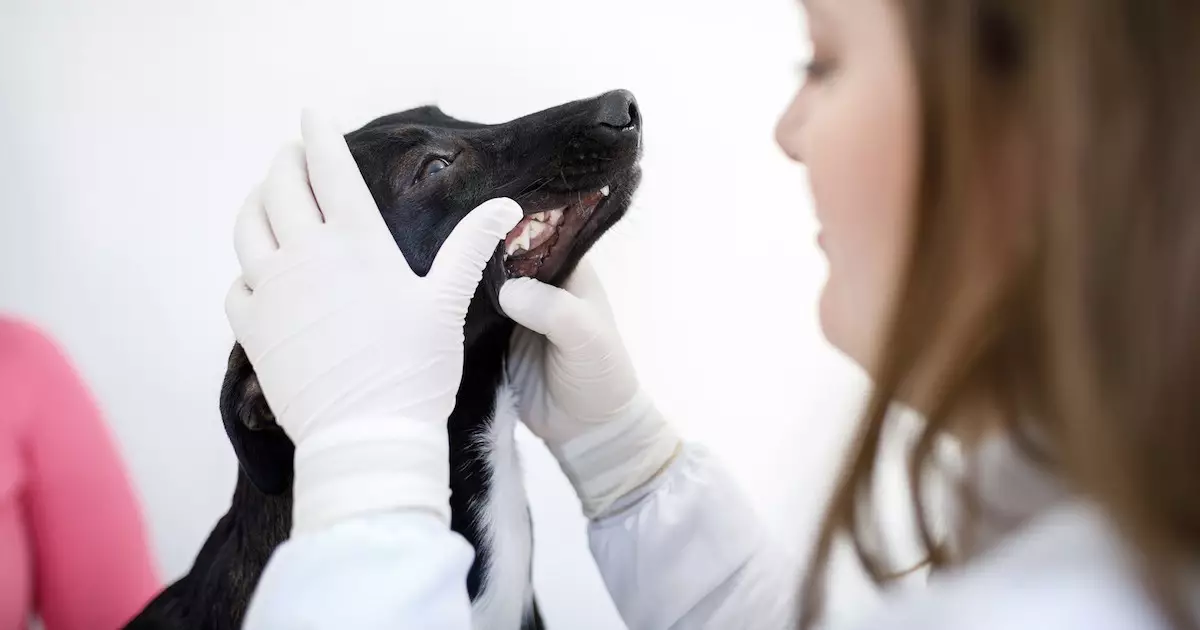
Pet ownership offers immense joy and companionship, but it also comes with the responsibility of ensuring your furry friend’s health. One condition that many dog owners might overlook is persistent deciduous teeth, often referred to as retained baby teeth. This dental anomaly can lead to a variety of complications if not addressed promptly. In this article, we will delve into the nuances of persistent deciduous teeth in dogs, exploring symptoms, causes, and effective treatments to ensure your canine buddy stays healthy.
To understand the issue of persistent deciduous teeth, it’s crucial to first grasp how a dog’s dental development works. Puppies typically have a set of 28 baby teeth that emerge at around three weeks of age. By the time they hit three months, these baby teeth start to make way for the adult set, which totals 42 teeth. This natural transition can sometimes falter, leading to the condition known as persistent deciduous teeth.
In a healthy scenario, baby teeth begin to fall out between 14 to 30 weeks of age as adult teeth push through the gums. However, when baby teeth fail to shed as they should, problems arise. This premature emergence of adult teeth while baby teeth remain in place can disrupt a dog’s mouth structure and cause various dental issues.
The ramifications of persistent deciduous teeth can manifest in several ways, primarily affecting a dog’s oral health and overall well-being. Common symptoms to look out for include:
1. Overbite or Underdog: In severe cases, retained teeth can lead to misalignment, affecting how a dog bites and chews.
2. Gingivitis: Inflammation of the gums can occur due to trapped food debris and plaque accumulation around the retained teeth.
3. Tooth Decay and Cavities: The presence of additional teeth can encourage decay, leading to cavities that may develop pus.
4. Jaw Development Issues: Chronic pain can distort the normal growth of the jaw, particularly in smaller breeds.
5. Discomfort or Pain: Dog owners may observe signs of discomfort as their pets struggle to eat or play.
6. Infections: Persistent deciduous teeth can compromise gum health, increasing the risk of infections.
It’s important for dog owners to be vigilant and proactive in detecting these symptoms early on. Regular oral inspections can make a significant difference in your dog’s dental health.
Understanding the causes of persistent deciduous teeth can aid in prevention. While the primary reason for this condition is a failure of baby teeth to fall out, genetic factors often play a role. Smaller dog breeds such as Poodles, Yorkshire Terriers, and Pugs are particularly susceptible. The genetic predisposition combined with the anatomical challenges posed by their shorter snouts can complicate oral health, making these breeds more prone to dental anomalies.
When persistent deciduous teeth are suspected, seeking veterinary assistance is paramount. A veterinarian will conduct a thorough oral examination, which may involve taking X-rays to determine the extent of the issue. Treatment typically involves the extraction of retained baby teeth, performed under general anesthesia to ensure the comfort and safety of the dog.
In some instances, if the condition has led to significant misalignment of the jaw or other structural problems, additional procedures may be necessary to address these complications. Post-operative recovery can take up to eight weeks, during which the dog might face eating challenges. In such cases, a temporary feeding tube may be required to ensure proper nutrition.
The best approach to managing persistent deciduous teeth rests on prevention and regular dental care. Pet owners should routinely check their dogs’ mouths for signs of retained teeth and follow a consistent oral hygiene routine, including regular brushing and veterinary check-ups. Early detection is key in preventing a cascade of dental health issues and ensuring your furry friend enjoys a happy, healthy life.
Persistent deciduous teeth in dogs can pose significant health risks. By educating yourself on the symptoms and causes, seeking timely veterinary advice, and maintaining good dental practices, you can safeguard your beloved pet’s oral health and overall well-being.
