
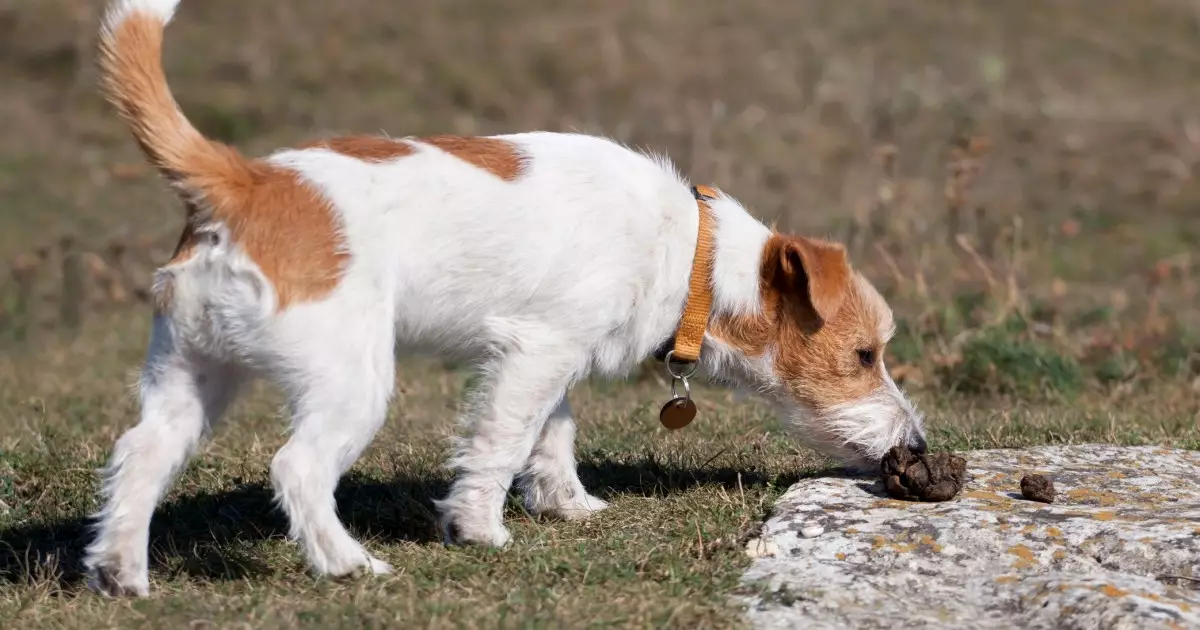
Coprophagia—why dogs eat poop—is one of the most common and distressing behaviors dog owners face. It’s unpleasant, confusing, and often alarming, especially when it seems to appear out of nowhere. The good news is that, in most cases, coprophagia is not a sign that something is “wrong” with your dog. It’s a behavior with clear biological, behavioral, and environmental explanations—and it can usually be reduced or eliminated with the right approach.
This guide explains why dogs eat poop, what coprophagia means in different life stages, when it may signal a health concern, and how to stop it using safe, science-backed strategies. The goal is to replace frustration with understanding and give you practical tools that actually work.
What Is Coprophagia in Dogs?
Coprophagia is the act of consuming feces. In dogs, this can include:
-
Eating their own stool
-
Eating the stool of other dogs
-
Eating feces from cats, wildlife, or livestock
While humans view feces as waste, dogs experience the world very differently—especially through smell and taste. What seems repulsive to us may register as information-rich, rewarding, or even comforting to them.
Importantly, coprophagia is common. Studies and veterinary behaviorists estimate that a significant percentage of dogs will engage in it at some point in their lives, particularly during puppyhood.
Is It Normal for Dogs to Eat Poop?
Yes—coprophagia can be a normal canine behavior, depending on the context.
That doesn’t mean it should be ignored, but it does mean that punishment or panic is usually the wrong response. Understanding why your dog is doing it is the key to stopping it.
The Evolutionary and Instinctual Roots of Coprophagia
Dogs Experience Poop as Information, Not Waste
Dogs have an extraordinary sense of smell—tens of thousands of times more sensitive than ours. Feces contain chemical signals about:
-
Diet
-
Health
-
Hormones
-
Stress levels
-
Identity
From a dog’s perspective, poop is a detailed data source. Consuming it allows them to “analyze” these signals more closely.
Den Cleanliness in Mother Dogs
One of the strongest instinctual drivers of coprophagia appears in nursing females. Mother dogs instinctively consume their puppies’ feces to:
-
Keep the den clean
-
Reduce scent that could attract predators
-
Maintain hygiene around vulnerable young
This behavior is entirely normal and adaptive in wild and domestic settings.
Why Puppies Eat Poop
Puppies are the most frequent coprophagia offenders, and for several reasons.
Exploration Through the Mouth
Puppies explore their world by tasting it. Feces, unfortunately, are often part of that exploration.
Learned Behavior from the Mother
Puppies observe their mother cleaning the den and may imitate the behavior before fully understanding context.
Immature Digestion
Puppies’ digestive systems are still developing. Their stool may smell more like undigested food, making it more appealing.
Most puppies outgrow coprophagia naturally by adolescence, especially when owners manage it calmly and consistently.
Behavioral Causes of Coprophagia in Adult Dogs
When poop eating continues beyond puppyhood, behavioral factors are often involved.
Anxiety and Stress
Dogs experiencing chronic stress may engage in coprophagia as a coping mechanism.
Common stressors include:
-
Harsh training methods
-
Yelling or punishment during house training
-
Inconsistent routines
-
Separation anxiety
Dogs punished for accidents may eat their stool to “hide the evidence,” reinforcing the behavior.
Boredom and Understimulation
Dogs left alone for long periods without mental or physical enrichment may eat poop simply because there’s nothing else to do.
This is especially common in:
-
High-energy breeds
-
Intelligent working dogs
-
Dogs with limited exercise
Attention-Seeking (Accidental Reinforcement)
In some dogs, coprophagia becomes attention-reinforced. If every incident leads to shouting, chasing, or frantic reactions, the dog may repeat the behavior because it reliably gets a response.
Dietary and Nutritional Factors
Poor Digestibility or Nutrient Absorption
If food isn’t fully digested, stool may contain residual nutrients that smell appealing to dogs.
Possible contributors include:
-
Low-quality diets
-
Diets high in fillers
-
Sudden food changes
Overfeeding
Overfeeding can lead to incomplete digestion, increasing stool volume and odor.
Enzyme Deficiencies
Some dogs lack digestive enzymes needed to fully break down food, which may drive them to re-ingest feces.
Medical Causes That Should Not Be Ignored
While coprophagia is often behavioral, persistent or sudden onset in adult dogs warrants veterinary evaluation.
Potential medical contributors include:
-
Intestinal parasites
-
Gastrointestinal infections
-
Pancreatic insufficiency
-
Malabsorption disorders
-
Hormonal imbalances
If your dog eats poop and shows symptoms like weight loss, increased appetite, diarrhea, or lethargy, consult a veterinarian promptly.
Why Dogs Prefer Cat Poop
Many dog owners notice that their dog ignores dog stool but seeks out cat feces.
This is extremely common because:
-
Cat food is high in protein and fat
-
Cat stool often contains undigested nutrients
-
The smell is especially appealing to dogs
While common, eating cat feces can expose dogs to parasites and bacteria, so prevention is important.
Is Coprophagia Dangerous?
Coprophagia is usually not immediately dangerous, but it does carry risks, including:
-
Parasite transmission
-
Bacterial infections
-
Exposure to medications or toxins
-
Dental issues
It’s also unpleasant and stressful for owners, which matters too.
What Does NOT Work (and Often Makes It Worse)
Before discussing solutions, it’s important to address common mistakes.
Punishment and Scolding
Punishment increases:
-
Anxiety
-
Secrecy
-
Fear-based behaviors
It often strengthens the habit rather than stopping it.
Chasing the Dog
Chasing can turn coprophagia into a game, reinforcing it unintentionally.
How to Stop Coprophagia: Effective, Humane Strategies
Step 1: Rule Out Medical Causes
Always start with a veterinary check if the behavior is persistent or new.
Step 2: Improve Diet Quality
-
Feed a high-quality, digestible diet
-
Avoid frequent food changes
-
Measure portions carefully
Your veterinarian can help assess whether digestive supplements are appropriate.
Step 3: Immediate Stool Management
The most effective short-term strategy is management.
-
Pick up stool promptly
-
Supervise outdoor time
-
Keep litter boxes inaccessible
Removing the opportunity removes the behavior.
Step 4: Increase Mental and Physical Enrichment
Daily enrichment reduces boredom-driven coprophagia.
Examples include:
-
Structured walks
-
Training sessions
-
Puzzle feeders
-
Interactive play
A tired, fulfilled dog is far less likely to eat poop.
Step 5: Teach a Strong “Leave It” Cue
A reliable “leave it” command allows you to interrupt the behavior calmly and safely.
Training should use positive reinforcement, not correction.
Step 6: Reinforce Alternative Behaviors
Reward your dog for:
-
Ignoring stool
-
Returning to you after eliminating
-
Checking in during outdoor time
This shifts focus from the unwanted behavior to desired ones.
Coprophagia Supplements and Products: Do They Work?
Some products claim to make stool taste unpleasant. Results vary.
They may help when:
-
Used alongside training
-
Combined with management
-
Not relied on as the sole solution
Always consult your veterinarian before adding supplements.
Special Considerations for Multi-Dog Households
In multi-dog homes, coprophagia may involve social dynamics.
Tips include:
-
Feeding dogs separately
-
Managing yard access
-
Supervising elimination times
Avoid allowing dogs to clean up after one another.
When to Seek Professional Help
If coprophagia persists despite consistent management, a certified dog behavior professional can help assess:
-
Anxiety triggers
-
Environmental stressors
-
Training gaps
Early intervention prevents habits from becoming entrenched.
Frequently Asked Questions About Dogs Eating Poop
Is coprophagia a sign of dominance?
No. Dominance-based explanations are outdated and inaccurate.
Will my dog outgrow poop eating?
Many puppies do. Adult dogs may need intervention.
Does spaying or neutering help?
It may help indirectly by reducing stress or roaming behaviors, but it’s not a direct cure.
Should I muzzle my dog?
Muzzles are not recommended as a long-term solution unless guided by a professional.
Is it ever okay to ignore coprophagia?
Occasional puppy behavior may resolve on its own, but repeated adult coprophagia should be addressed.
Final Thoughts: Understanding Leads to Solutions
Coprophagia is unpleasant—but it’s also understandable. Dogs eat poop for reasons rooted in instinct, learning, environment, and sometimes health. When owners respond with knowledge instead of frustration, the behavior becomes far easier to manage.
With patience, consistency, and the right strategy, most dogs can overcome coprophagia entirely. The key is not forcing change—but guiding it.
Understanding why dogs eat poop is the first step toward helping them stop.
