
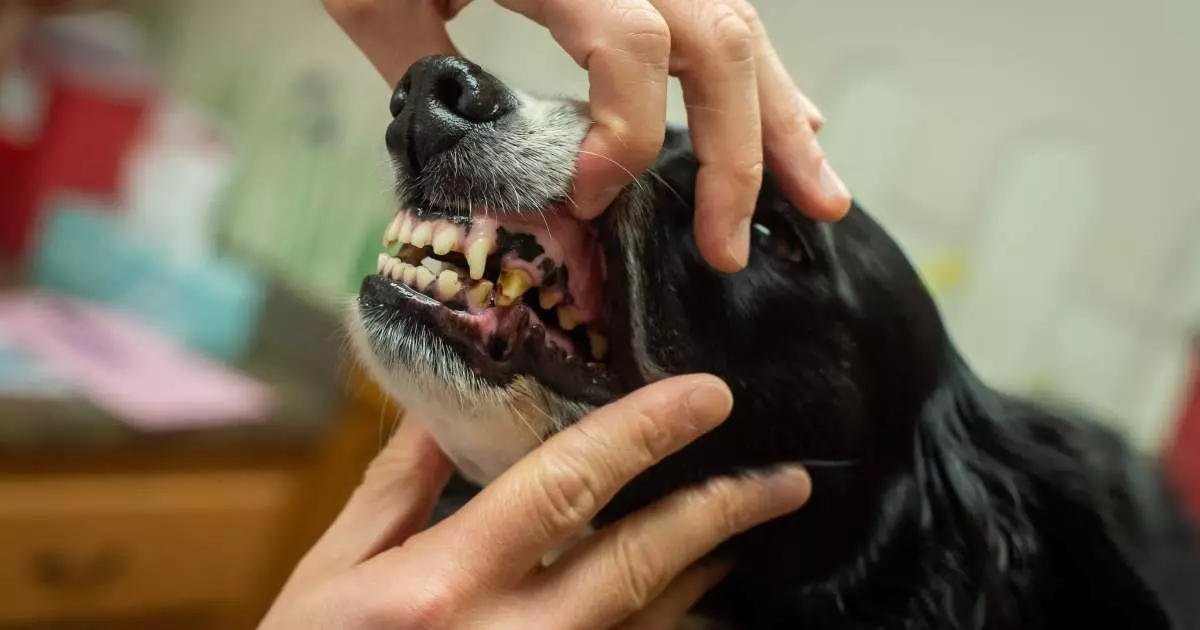
When considering the health of our canine companions, dental care often takes a backseat. Many pet owners might prioritize vaccinations, nutrition, and exercise, while the condition of their dog’s teeth is frequently forgotten. However, dental cavities, medically termed dental caries, are a significant health concern that should not be underestimated. Although less common in dogs compared to humans, they can lead to excruciating pain, infections, and other serious health complications if not addressed early. Recognizing the early signs, understanding the underlying causes, and seeking appropriate treatments can make a world of difference for your furry friend.
Detecting cavities in dogs can be tricky, as they often do not exhibit overt symptoms until a significant problem has developed. This lack of clear indicators means that vigilance is key. Some early warning signs pet owners should be aware of include visible dark spots or holes in the teeth, persistent bad breath that does not improve with regular care, discoloration of teeth, excessive drooling, difficulty chewing or eating, pawing at the mouth, and gingival swelling or bleeding. Recognizing these indicators can allow for prompt veterinary intervention, which is essential in managing dental health effectively.
Cavities in dogs typically result from the buildup of plaque, a sticky mixture of food debris, saliva, and bacteria. If not adequately managed through regular brushing or professional cleanings, plaque can harden into tartar. The bacteria present in this plaque can metabolize carbohydrates, releasing acids that progressively degrade the enamel and dentin of the teeth, creating cavities.
Several factors can contribute to this decay process, including diet—excessive carbohydrates and sugars can exacerbate cavity formation. Additionally, poor oral hygiene practices, genetic predispositions, age-related wear, and certain medical conditions are all significant contributors. For instance, smaller dog breeds often deal with overcrowding in their mouths, which increases the likelihood of plaque and bacteria buildup, while older dogs may suffer from natural deterioration of their teeth.
Veterinary Assessment and Treatment Options
Once a cavity is suspected, a comprehensive dental examination by a qualified veterinarian is essential. This examination often includes a physical check, dental imaging via X-rays, and sometimes anesthesia to provide a full assessment of the oral cavity. Identifying the extent of decay and ruling out additional complications such as gum disease or tooth abscesses are critical steps in developing a treatment plan.
Treatment protocols can vary significantly based on the cavity’s severity. Common procedures may include professional dental cleaning to remove tartar and plaque, early-stage cavity fillings, root canal therapy for advanced cases that have reached the pulp, or tooth extractions when a tooth is beyond repair.
Dogs adapt surprisingly well to missing teeth, continuing to eat and engage in their regular activities post-recovery. However, costs associated with dental treatments can be substantial, typically ranging from $600 to $1,200. The final bill can vary based on geographic location, the nature of the procedure, and additional necessary services like X-rays and anesthetic preparations.
Preventive Measures: The Key to Healthy Smiles
Preventing dental cavities in dogs is far more effective than treating them after they develop. Pet owners can adopt several proactive strategies to maintain their dog’s oral health. Regular brushing of their teeth with dog-safe toothpaste is critical; ideally, this should occur a few times a week or even daily.
A balanced diet with limited sugars and carbohydrates is also important, alongside providing dental-specific treats that promote gum health. Additionally, dental toys can help physically remove plaque during playtime, while water additives and oral rinses can reduce bacteria and freshen breath.
Routine veterinary check-ups are paramount; these allow for professional cleanings and examinations that might prevent serious dental issues from manifesting. Engaging regularly with your veterinarian about your dog’s specific dental care needs will ensure a tailored approach to oral health, helping your beloved pet maintain a pain-free and happy life.
By staying diligent about your dog’s dental hygiene, you can avoid the distressing consequences of dental cavities and support their overall well-being.
