
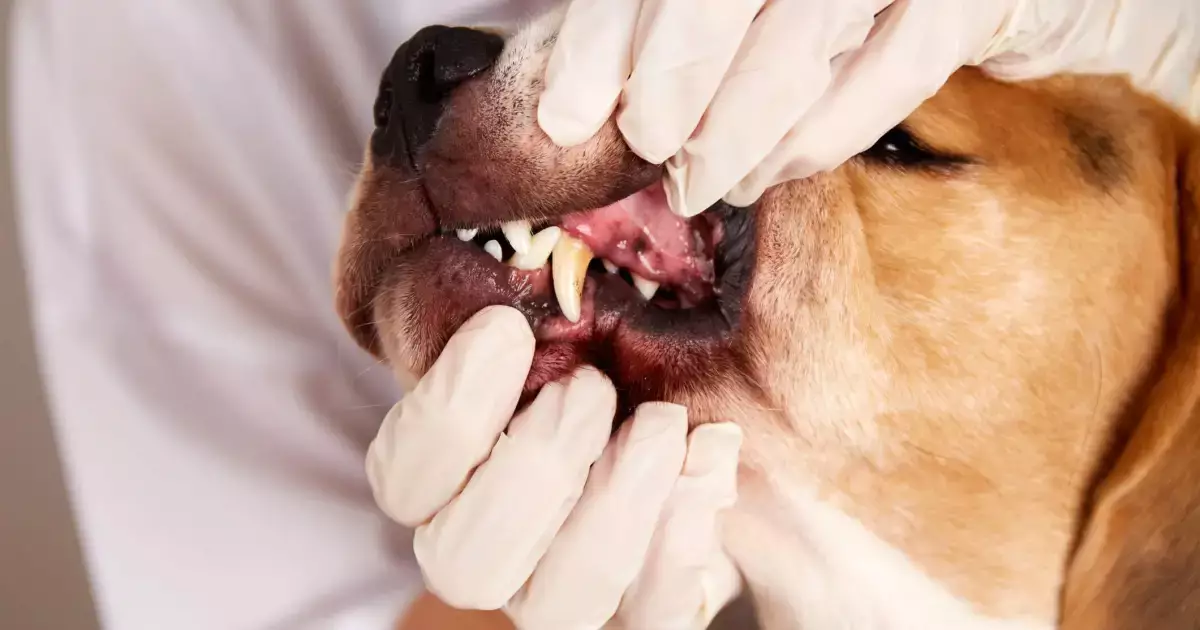
Periodontal disease, commonly referred to as gum disease, poses a significant threat to the dental health of dogs. It is characterized by inflammation in the tissues supporting a dog’s teeth, including the gums, periodontal ligament, and the alveolar bone. The condition typically initiates with plaque accumulation, which, if not addressed, transforms into tartar — a hardened form of plaque that firmly adheres to the teeth. According to the American Veterinary Dental Society, an alarming 80% of dogs aged three and older are affected by some form of periodontal disease. This highlights a pressing need for dog owners to grasp the implications of this disease, its symptoms, causative factors, and possible treatments.
Periodontal disease unfolds in a series of stages, each marked by increasing severity and complications.
– Gingivitis (Stage 1): At this initial phase, the gums become inflamed, appearing red and swollen. Dogs may exhibit signs such as bleeding gums during brushing or while chewing. The positive aspect of gingivitis is that it is reversible with appropriate dental hygiene practices.
– Early Periodontitis (Stage 2): Progressing beyond gingivitis, small pockets of infection can start to form as the gums recede, leading to minor bone loss. This stage often brings noticeable bad breath, signaling the worsening condition.
– Moderate Periodontitis (Stage 3): As the disease escalates, the pockets deepen, resulting in more pronounced bone loss. Pets may display discomfort, and some teeth might begin to loosen, presenting additional challenges for dog owners.
– Advanced Periodontitis (Stage 4): The most critical stage of this disease involves severe bone loss and significant dental dysfunction. At this point, dogs may suffer from extreme pain and apparent difficulty in eating, and some teeth may be lost entirely.
Recognizing these periodic changes is crucial for early intervention in mitigating periodontal disease’s potentially severe repercussions.
Identifying the Symptoms
Detecting periodontal disease in its nascent stage can be challenging due to the subtlety of the initial symptoms. Pet owners are encouraged to conduct regular oral inspections of their dogs. Key signs to look for include:
– Redness and swelling of the gums
– Persistent foul breath (halitosis)
– Hesitance while eating or chewing
– Excessive drooling or difficulty in oral functionality
– Visible tartar accumulation
As the disease progresses, symptoms can become more alarming, including loosening or missing teeth, gum abscesses, noticeable pain, and changes in behavior that indicate distress.
The primary instigator of periodontal disease in canines is the accumulation of plaque, which harbors bacteria that thrive in the oral cavity. Over time, this biofilm turns into tartar when not regularly cleaned. Various intrinsic and extrinsic factors can exacerbate plaque development, including:
– Age: Older dogs are at a higher risk due to prolonged plaque exposure.
– Breed: Smaller and toy breed dogs often have overcrowded teeth, making them more susceptible to gum disease.
– Diet: Diets with high proportions of soft foods can lead to quicker plaque buildup.
– Oral Hygiene: Lack of routine dental care can worsen the accumulation of bacteria and tartar.
Understanding these factors aids dog owners in evaluating their pet’s risk and implementing preventive measures.
Treatment for periodontal disease necessitates a blend of professional veterinary intervention and committed at-home care. Initially, a veterinarian may perform a comprehensive examination, potentially utilizing dental X-rays to gauge the condition beneath the gum line. Treatment strategies may include:
– Professional Dental Cleaning: This vital first step involves the removal of plaque and tartar under anesthesia to adequately clean both above and below the gum line.
– Antibiotic Therapy: If infections are present, antibiotics may be prescribed to reduce bacterial load and inflammation.
– Tooth Extraction: In extreme cases, damaged teeth may need removal to alleviate discomfort and prevent further complications.
– Surgical Intervention: For advanced periodontal stages, surgical procedures might be necessary to address deep infections and restore gum and bone structure.
Preventing Periodontal Disease
While periodontal disease can induce irreversible harm, proactive measures can significantly reduce its risk. Effective strategies for maintaining good oral health in dogs include:
– Regular Tooth Brushing: Ideally, brushing should occur daily. Use pet-specific dental products for optimal safety and effectiveness.
– Dental Chews: These products can aid in plaque control while providing a fun activity for dogs.
– Balanced Diet: Feed your dog foods that promote dental health to minimize plaque formations.
– Routine Vet Visits: Annual dental check-ups are crucial for early detection of oral issues, allowing timely interventions to be made.
Though periodontal disease may not inherently threaten a dog’s life, it can drastically affect overall health by leading to systemic infections. Given the potential complications, pet owners should prioritize oral health to ensure their beloved companions enjoy happy and healthy lives.
