
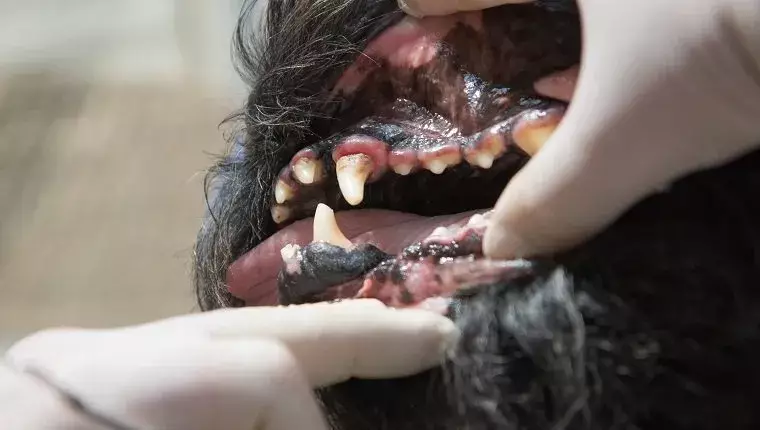
Gingivitis is an inflammatory condition affecting the gums in dogs, representing the preliminary stage of periodontal disease. It is surprisingly prevalent among canine companions and is treatable, especially when identified early. Neglecting this issue, however, can lead to more severe oral health problems, including the potential loss of teeth. Understanding the intricacies of gingivitis—its symptoms, causes, and treatments—can empower pet owners to take proactive steps for their dogs’ dental health.
Recognizing the Symptoms of Gingivitis
The early signs of gingivitis in dogs often go unnoticed because they can be subtle. Initially, the gums may merely exhibit mild swelling and reddening. However, as the condition progresses, owners may notice more striking symptoms that indicate the necessity for veterinary intervention. Some common indicators of gingivitis include:
– **Increased redness**: A thin, red line may become visible along the gum line.
– **Swelling**: The gums may appear inflamed and puffy.
– **Halitosis**: Bad breath is a frequent symptom, often overlooked by dog owners.
– **Plaque and tartar build-up**: The presence of a sticky layer on the teeth can often be seen as discolored areas.
– **Bleeding gums**: Blood may appear during brushing or chewing.
– **Discomfort when eating**: Dogs may show signs of pain, reluctance to eat, or pawing at their mouths.
– **Excessive drooling**: This can indicate pain or irritation in the mouth.
– **Loose teeth and receding gums**: Advanced gingivitis can lead to tooth mobility and gum recession.
Prompt recognition of these symptoms is critical. Regular veterinary check-ups can help catch gingivitis before it escalates.
The primary contributors to gingivitis in dogs are poor dental hygiene and an inadequate diet. When food particles and bacteria accumulate on a dog’s teeth, they form plaque, which eventually calcifies into tartar if not removed adequately. Certain breeds, particularly those with crowded teeth, like toy breeds, are at an increased risk. Self-grooming habits can also exacerbate the condition, as dogs might inadvertently introduce bacteria into their mouths.
Additionally, a diet lacking in specific nutritional elements essential for oral health can pave the way for gingivitis. Therefore, understanding both dietary needs and hygiene practices is crucial for prevention.
Addressing gingivitis in dogs primarily begins with professional dental cleaning. During this procedure, a veterinarian will remove plaque and tartar build-up from the teeth and may polish them to ensure a smooth surface that discourages new bacterial growth. While many dogs may undergo anesthesia for these cleanings, it is a necessary step in treating advanced cases.
Beyond initial treatment, ongoing oral care is vital for preventing future issues. Vets usually recommend a comprehensive oral hygiene regimen, which can include:
– **Regular brushing**: Brushing your dog’s teeth at least a few times a week helps in maintaining dental cleanliness. Using toothpaste specifically designed for dogs is crucial as human toothpaste can be harmful to them.
– **Dental rinses and chews**: These can be beneficial for dogs that resist traditional brushing. Specialized chew toys can reduce plaque and tartar while providing an entertaining activity for your dog.
– **Diet considerations**: Providing a diet that supports oral health is important. Consult your vet about the best options for food and treats that promote healthy gums.
Beyond treatment and hygiene, regular veterinary visits allow professionals to monitor your dog’s oral health, ensuring any problems are caught early.
Just as humans must prioritize oral hygiene, dog owners should adopt similar diligence to protect their pets from gingivitis and other dental diseases. Being attentive to symptoms, understanding underlying causes, and implementing effective dental care will create a lasting positive impact on your dog’s quality of life. By taking these steps, you not only improve their dental health but also contribute significantly to their overall well-being. Regularly engaging with your vet about dental health can provide invaluable guidance, ensuring your canine companion’s mouth remains as healthy as possible.
