
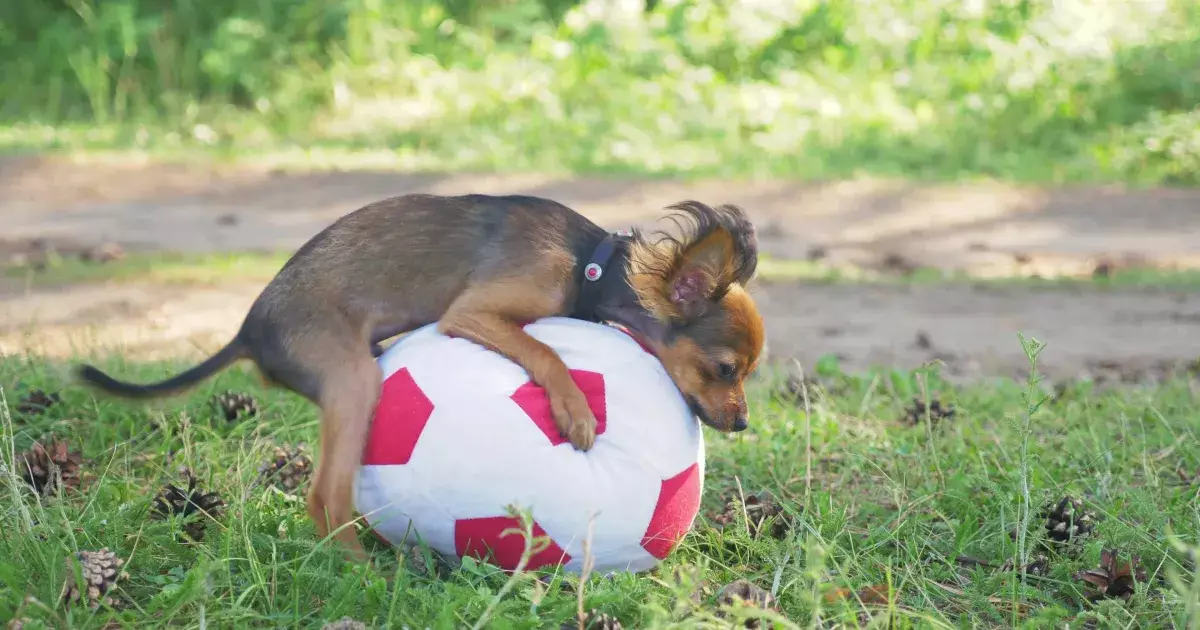
Dog humping, colloquially referred to as mounting, is a behavior that often leaves pet owners perplexed and sometimes embarrassed. While the act can elicit some humor in certain settings, it can also escalate into an issue that requires intervention. The key to managing this behavior lies in understanding its various underlying causes. This article delves into the different reasons dogs engage in humping and offers strategies for effectively addressing the behavior.
One of the foremost reasons for humping in dogs is hormones. Intact (not spayed or neutered) males and females are particularly prone to this behavior, especially during mating seasons or when they encounter a dog in heat. It’s during these times that the effects of sexual hormones become evident, often manifesting as humping actions. Spaying or neutering pets can mitigate this urge significantly. Beyond just preventing unwanted breeding, these procedures can lead to more balanced behavior patterns in both male and female dogs.
Emotional Stress
While hormonal factors play a significant role, emotional stress is another key trigger. Dogs often resort to mounting as a coping mechanism when they are anxious or uncertain. Situational changes, such as moving to a new home or welcoming a new member into the family, can increase stress levels in dogs, prompting them to exhibit humping behaviors. To combat this, creating a stable and reassuring environment is paramount. Ensuring that a dog has a dedicated and safe space where they can retreat during times of anxiety may help significantly in reducing the frequency of such behaviors.
Humping can also stem from an abundance of excitement, especially in younger dogs and puppies. During periods of heightened play or social interaction, some dogs may engage in mounting as a natural expression of exuberance. This can be particularly common in dynamic or chaotic environments. It’s beneficial for owners to learn how to redirect this energy positively. Providing interactive toys, engaging in structured play activities, and promoting physical and mental stimulation can help channel a dog’s energy appropriately and minimize the incidence of humping.
Social Hierarchy and Dominance
Another dimension of humping behaviors is their connection to social hierarchy. Dogs may mount when attempting to assert dominance over another dog or establish social standing within a group. This behavior isn’t limited to unneutered males; both genders and dogs of any age can exhibit dominance-related mounting. As a solution, pet owners should work on establishing clear household rules and boundaries. Consistent training that reinforces a dog’s social position within the household can reduce the likelihood of dominance-related humping, allowing for a more peaceful coexistence between pets.
In some instances, mounting may indicate discomfort stemming from underlying medical issues. Conditions such as allergies, urinary tract infections, or other irritations can lead dogs to hump as a way to alleviate discomfort. If there are sudden changes in a dog’s humping behavior, it’s crucial for pet owners to consult a veterinarian for thorough examination. Addressing any underlying health concerns can often resolve the humping behavior without the need for additional behavioral modification strategies.
Training Interventions
To manage the behavior effectively, training plays a crucial role. Teaching dogs command words—such as “sit,” “down,” and “leave it”— can serve as effective verbal redirections when they start to mount. The focus should be on consistency and positive reinforcement; when a dog responds favorably to these commands, immediate rewards in the form of treats or praise can reinforce desired behaviors and discourage inappropriate humping.
In cases where self-training doesn’t yield the desired results, seeking the help of professional dog trainers or animal behaviorists can be valuable. Experts can offer personalized insight into a dog’s behavior and create a targeted training program to address the specific needs of the pet and its owner.
Dog humping can arise from an array of factors including hormonal influences, stress, excitement, dominance issues, and health-related concerns. Understanding and addressing these causes is essential for pet owners who want to curtail this behavior in their dogs. Through consistent training, positive reinforcement, and possibly professional intervention, it is possible to guide dogs toward more appropriate behaviors. Patience and empathy are vital in this process, ensuring a positive outcome for both the pet and its owner.
