
As pet owners, it’s common to feel an emotional bond with our dogs, and those big, soulful eyes have a way of making us cave in when it comes to treats. However, what happens when our affectionate gestures translate into health risks for our furry friends? The alarming trend of pet obesity is on the rise in the United States, with more than half of the canine population classified as overweight. This not only diminishes our dogs’ quality of life but also leads to serious health issues like heart disease, diabetes, and arthritis. In confronting this issue, it’s essential that pet owners reassess their approach to feeding and caring for their pets.
The notion of loving our dogs through food is deeply ingrained in our culture. It is all too easy to associate affection with the act of treating our pets. However, experts emphasize that offering love through activities rather than calories can foster a healthier dynamic. Engaging in playtime, giving pats on the head, or enjoying a leisurely walk can replace the sugary, calorie-laden offerings that many pet owners mistakenly rely upon. Dr. Ernest Ward, a veterinarian, points out that many pet parents mistakenly correlate food with love, substantiating a cycle of unhealthy behavior that could lead to detrimental health implications for our dogs.
Changing your dog’s eating habits is significantly easier at an early age. The dietary choices we implement during a dog’s puppy stage can set the tone for their entire lives. Puppies, in their innocent explorations, do not have preconceived notions about treats or excess food, making it easier to instill healthy habits. Yet this divergence from typical overeating behavior is not effortless for adult dogs who’ve grown accustomed to regular snacks. For those pets, it’s critical to work closely with a veterinarian to devise a sensible eating regimen that takes into account their specific dietary needs.
Specific attention should be paid to reading food labels, monitoring calorie intake, and favoring healthier treat options. For example, offering crunchy vegetables like carrots and peas high in nutrients and low in calories not only satisfies a dog’s craving for something tasty but also eliminates empty calories commonly found in commercial dog treats.
Reassessment of Feeding Practices
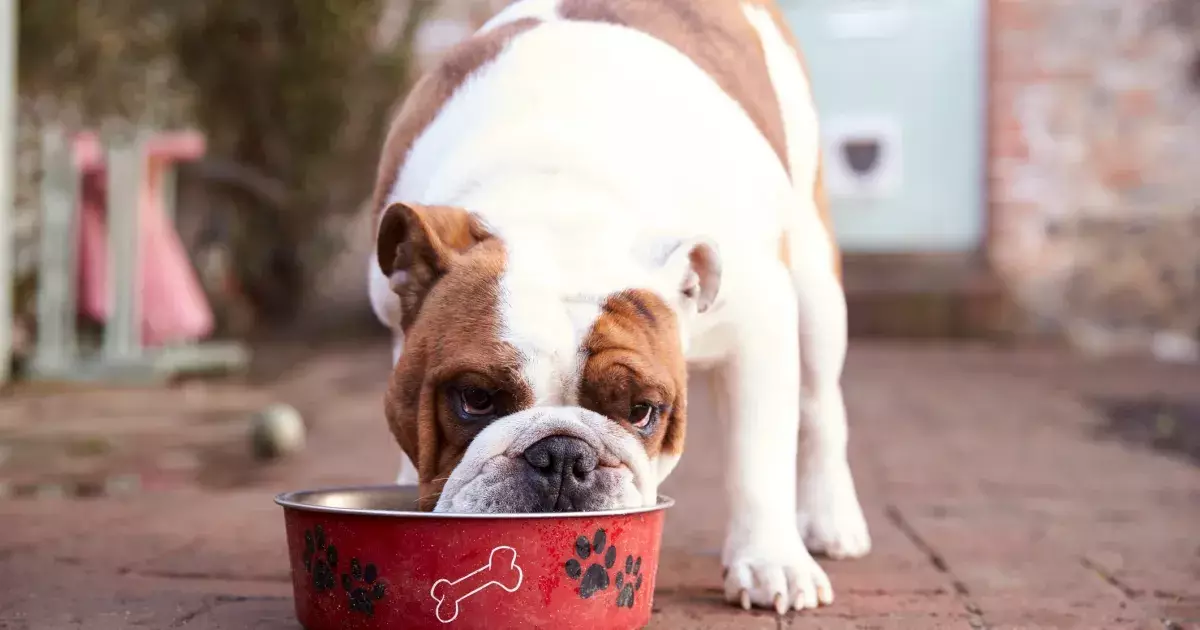
An important part of combating obesity lies in our feeding habits. Empty food bowls should not be a permanent fixture in your household. Instead, it proves beneficial to fix exact meal times, which cultivates a disciplined eating schedule. For dogs that tend to graze, it’s best to place their food down for a limited time; if they don’t finish their meal within the allocated time, pick it up and refrain from offering additional food until the next scheduled meal. Owners should also pay attention to portion sizes based on their dog’s size and weight requirements, avoiding the common pitfall of serving more food than necessary.
In addition to fine-tuning meals, simple yet effective alternatives can be incorporated. Ice cubes can come in handy as a refreshing treat during warmer weather. Moreover, offering bite-sized portions of fruit within ice cubes can make for a delightful snack without the accompanying heaviness of conventional dog treats.
Diet alone is insufficient for maintaining a healthy weight in dogs; physical activity is equally essential. Many believe that allowing their dogs unfettered access to a yard is a sufficient exercise regimen, but reality often tells a different story. Dogs are creatures of habit and comfort, often preferring a cozy spot in the shade rather than engaging in vigorous activity throughout the day. It’s crucial for pet owners to take proactive steps by scheduling daily walks tailored to their dog’s fitness level, transforming a mundane routine into an exciting opportunity for exercise.
Ultimately, tackling pet obesity is a commitment that requires consistency from dog owners. Embracing the notion that time spent with your dog holds more value than the number of treats offered will lead to healthier lifestyles for both pet and owner. Speaking with veterinarians, establishing structured feeding regimens, and prioritizing physical activity can all pave the way for a happier, healthier life for your dog. Creating this positive and engaging environment enables every dog to thrive, ensuring that they remain cherished companions for years to come.
