
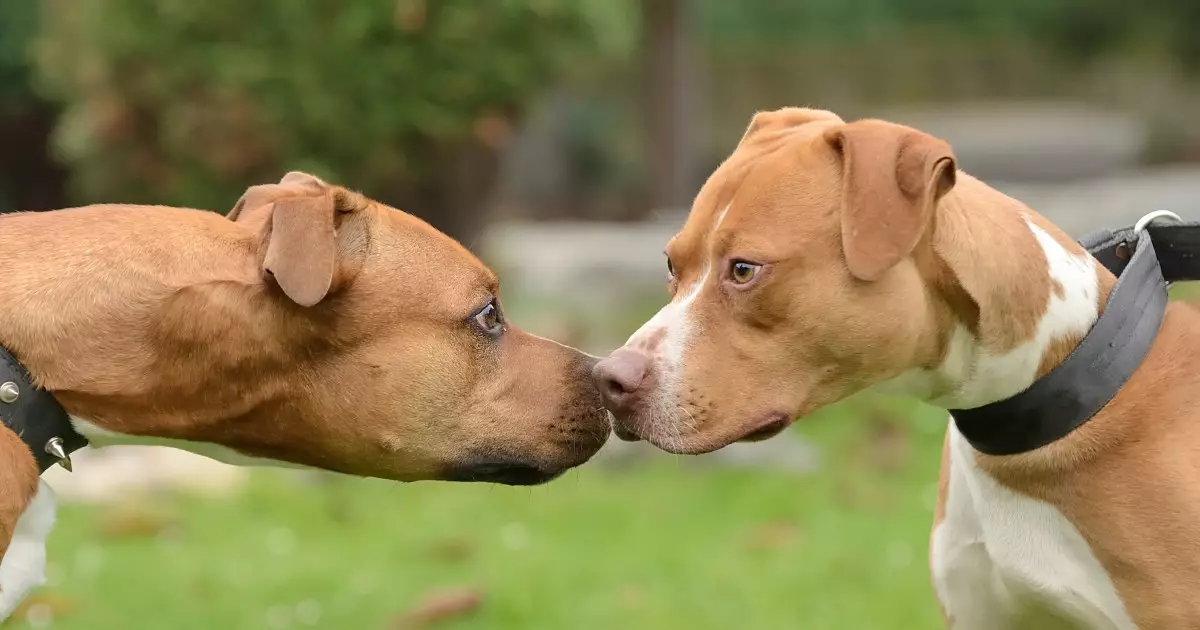
Pit Bull aggression is one of the most misunderstood topics in dog behavior, and much of what the public believes is rooted in myth rather than evidence. The short answer to the question most people are really asking—are Pit Bulls inherently aggressive?—is no. Aggression in Pit Bulls, like in any dog, is shaped by a complex interaction of genetics, early experiences, training, environment, and human responsibility. Breed alone does not determine temperament.
This article breaks down where the stereotypes came from, what science and behavior research actually tell us, and how owners, trainers, and communities can promote safe, stable, and positive behavior in Pit Bull–type dogs. The goal is clarity, not defense—because understanding is the only way to replace fear with facts.
What People Mean When They Say “Pit Bull”
Before discussing behavior, it’s important to clarify terminology.
“Pit Bull” is not a single breed. It’s a loose umbrella term commonly used to describe several dogs with similar physical traits, including:
-
American Pit Bull Terrier
-
American Staffordshire Terrier
-
Staffordshire Bull Terrier
-
Mixed-breed dogs with similar builds
Many dogs labeled as Pit Bulls are misidentified, even by professionals. Visual identification alone is unreliable, which complicates statistics and reinforces misconceptions.
Where the Aggression Stereotype Came From
The reputation for Pit Bull aggression did not emerge by accident. It developed through a combination of historical misuse, media distortion, and human behavior.
Historical misuse
In the 19th and early 20th centuries, some dogs of Pit Bull–type ancestry were used in bull-baiting and later dog fighting. These activities were human-created and human-controlled. Dogs were selected for physical traits and manipulated through cruelty—not because of innate viciousness, but because people exploited their strength and determination.
Media amplification
Modern media plays a powerful role in shaping perception. Attacks involving Pit Bulls receive disproportionate coverage compared to similar incidents involving other breeds. Headlines often emphasize breed before context, reinforcing fear-based narratives.
Human accountability gap
The role of irresponsible ownership—neglect, abuse, lack of training, and intentional aggression training—is frequently omitted from public discussion. Blaming the dog is easier than addressing human responsibility.
Aggression in Dogs: What It Really Is
Aggression is not a personality trait. It is a behavior—and behaviors have causes.
Types of canine aggression
Aggression can appear in many forms across all breeds:
-
Fear-based aggression
-
Resource guarding
-
Territorial behavior
-
Pain-related aggression
-
Redirected aggression
-
Frustration-induced aggression
Each type has different triggers and solutions. Treating all aggression as the same leads to ineffective—and sometimes dangerous—responses.
The Role of Genetics: Influence, Not Destiny
Genetics influence behavior, but they do not dictate outcomes.
Research across canine behavior consistently shows:
-
Genetics contribute to tendencies, not fixed behaviors
-
Individual variation within breeds is significant
-
Environment and learning shape expression
A Pit Bull with stable early socialization and humane training is no more predisposed to aggression than many other breeds. Conversely, any dog raised in fear, isolation, or chaos can develop aggressive responses.
Early Life Experiences Matter More Than Breed
One of the strongest predictors of adult behavior is what happens during a dog’s early developmental period.
Critical socialization window
Between roughly 3 and 14 weeks of age, puppies form their baseline understanding of the world.
Positive exposure during this time to:
-
People of different ages and appearances
-
Other dogs
-
Normal household sounds
-
Handling and restraint
creates resilience and confidence. Lack of exposure—or exposure to trauma—can create fear responses that later look like aggression.
This applies to Pit Bulls and every other dog.
Fear Is the Most Common Root of Aggression
Most aggressive behavior is defensive, not offensive.
Dogs that appear aggressive are often:
-
Afraid of unfamiliar situations
-
Protecting themselves from perceived threats
-
Lacking coping skills
Because Pit Bulls are physically strong, their fear responses can look more dramatic than those of smaller dogs. The behavior is judged more harshly because of size—not intent.
The Impact of Poor Socialization and Isolation
Dogs are social animals. Isolation is psychologically damaging.
Pit Bulls are particularly vulnerable to:
-
Being kept chained or confined
-
Lack of mental stimulation
-
Inconsistent human interaction
These conditions increase frustration, anxiety, and reactivity. The resulting behavior is often blamed on breed rather than circumstances.
Training Methods Matter—A Lot
How a dog is trained influences how it responds under stress.
Why punishment-based training fails
Harsh corrections, intimidation, and physical punishment:
-
Increase fear and anxiety
-
Suppress warning signals like growling
-
Escalate aggression over time
Dogs trained through fear may appear “obedient” until they suddenly aren’t.
Positive reinforcement builds stability
Reward-based training:
-
Encourages learning without fear
-
Strengthens trust
-
Teaches dogs how to cope rather than react
This approach is supported by modern veterinary and behavior science and is especially important for powerful breeds.
Reading Canine Body Language Prevents Problems
Dogs communicate discomfort long before they bite.
Common warning signs include:
-
Stiff body posture
-
Hard eye contact
-
Lip licking or yawning when stressed
-
Turning away or freezing
-
Growling
Growling is not bad behavior—it’s a warning. Punishing it removes the warning without removing the discomfort.
The Owner’s Role in Preventing Aggression
Responsible ownership is the single most important factor in a dog’s behavior.
Key responsibilities include:
-
Early and ongoing socialization
-
Consistent, humane training
-
Adequate physical exercise
-
Mental enrichment
-
Clear boundaries without intimidation
Pit Bulls thrive with structure, engagement, and stability. When these needs are met, behavioral issues are far less likely.
Why Breed-Specific Legislation Misses the Mark
Laws targeting Pit Bulls are based on appearance, not behavior.
Research consistently shows:
-
Breed-specific laws do not reduce bite incidents
-
They fail to address irresponsible ownership
-
They punish well-behaved dogs and responsible owners
Effective public safety strategies focus on education, leash laws, and accountability—not breed bans.
Temperament Testing and Individual Assessment
Dogs should be evaluated as individuals, not stereotypes.
Shelters and trainers increasingly use temperament assessments that evaluate:
-
Sociability
-
Stress response
-
Resource handling
-
Recovery after startle
Many Pit Bulls score as friendly, people-oriented, and highly adaptable. Their behavior often surprises those who expect aggression.
When Aggression Does Appear: What to Do
Aggression should never be ignored—but it should be addressed correctly.
Steps to take
-
Rule out medical causes (pain, neurological issues)
-
Avoid punishment or confrontation
-
Manage the environment to prevent incidents
-
Consult a certified behavior professional
Aggression is treatable in many cases, especially when addressed early.
The Importance of Professional Guidance
Complex behavior issues require expertise.
Qualified professionals use:
-
Evidence-based behavior modification
-
Individualized plans
-
Safety-focused protocols
This is especially important for strong breeds, where mistakes carry greater risk.
The Shelter Reality for Pit Bulls
Pit Bulls are among the most common—and most overlooked—dogs in shelters.
Contributing factors include:
-
Housing discrimination
-
Insurance restrictions
-
Public fear
-
Misinformation
Many remain in shelters longer despite being friendly, trained, and healthy. The stigma itself causes harm.
Shifting the Narrative: What Actually Promotes Safety
Public safety improves when focus shifts from fear to responsibility.
Effective strategies include:
-
Owner education
-
Accessible training resources
-
Spay and neuter programs
-
Community support
Blaming a breed distracts from solutions that actually work.
Frequently Asked Questions
Are Pit Bulls more aggressive than other breeds?
No. Studies show breed is a poor predictor of aggression compared to environment and training.
Do Pit Bulls have locking jaws?
No. This is a myth. Their jaw structure is no different from other dogs.
Can Pit Bulls be family dogs?
Yes. Many are affectionate, loyal, and excellent with children when properly trained and supervised.
Should Pit Bulls require special handling?
They require the same responsible ownership as any strong, energetic breed.
Is aggression ever genetic?
Genetics can influence tendencies, but behavior is shaped by experience and learning.
Final Thoughts: Replacing Fear With Understanding
The idea that Pit Bulls are inherently aggressive is not supported by science, behavior research, or lived experience with individual dogs. Aggression is not a breed trait—it’s a behavioral response shaped by environment, training, and human decisions.
Understanding Pit Bull aggression means looking honestly at the role people play in creating or preventing problems. When Pit Bulls are raised with care, consistency, and respect, they are no more dangerous than any other dog—and often far more misunderstood.
Changing the narrative requires facts, responsibility, and compassion. When we judge dogs as individuals instead of stereotypes, we create safer communities for everyone—human and canine alike.
