
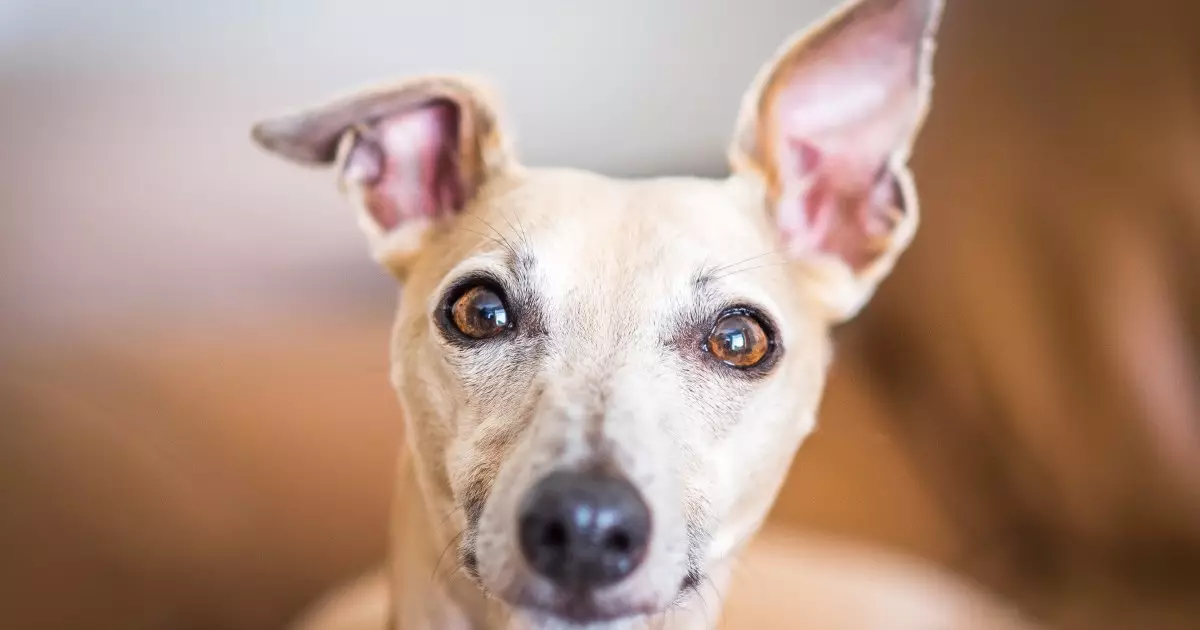
Dogs communicate a wealth of emotions through their body language, and their ears play a pivotal role in expressing feelings. Ears can perk up in curiosity, droop in sadness, or fold back when afraid. Yet, these vital organs serve a function far beyond mere expression—they are remarkable structures designed for acute hearing. In this article, we will delve into why proper ear care is essential for your furry friend, how to maintain ear health, and what signs to look for when something seems amiss.
Dog ears possess a unique construction that enables them to capture sound waves in ways humans cannot. Their capacity to hear high-frequency sounds makes them particularly adept at perceiving noises from prey, making them extraordinary hunters throughout history. This superior auditory system diminishes the dog’s reliance on vision; consequently, their hearing becomes a crucial sense for exploration and interaction with the environment.
Although ears serve these critical functions, they do require regular care to ensure they remain free from health issues. Neglecting ear hygiene can lead to various problems, from mild discomfort to severe infections that jeopardize a dog’s well-being. Responsible pet ownership mandates vigilant ear inspections as part of your routine care.
Understanding Ear Cleaning: What You Need to Know
Dog ears are largely self-regulating; it is normal for a small amount of light brown wax to form, which helps protect the ear from dust and microorganisms. However, excessive wax build-up or the presence of debris can lead to complications. Pet parents need to be proactive and periodically check their dog’s ears, particularly if their dog frequents outdoor environments. Common irritants like grass seeds can embed in the ear canal, causing irritation or infections.
Cleaning your dog’s ears should be a gentle process. Use a veterinarian-recommended cleaning solution or mineral oil on a soft cloth to wipe the outer parts of the ear. Avoid deep probing; any attempt to clean within half an inch of the ear canal can cause injury. Harsh substances like alcohol and water should be strictly avoided because they can irritate the sensitive skin of the ear.
Common Ear Problems: Identifying Issues Early
Ear health in dogs can be compromised due to various factors. Allergies, foreign materials, infections from bacteria or yeast, physical trauma, and even hormonal imbalances can contribute to ear troubles, with excessive moisture serving as a breeding ground for harmful organisms.
Among these issues, ear mites are particularly troublesome, especially for younger dogs. The presence of these minuscule parasites manifests through behaviors like excessive scratching and head shaking. Visible signs may include redness, crusting in the ear canal, or an unpleasant odor. Regular examinations can assist in identifying these problems early, allowing for more effective treatment and reducing discomfort for your pet.
It’s advisable to feel comfortable checking your dog’s ears regularly. Look for indications such as excessive wax or abnormal discharge. If you observe any troubling symptoms—including inflammation, bleeding, or a pronounced sensitivity to touch—it is time to seek a veterinary consultation.
The Veterinary Approach to Ear Issues
When veterinary assistance is sought, a thorough examination will usually lead to a swift diagnosis. If ear mites or a foreign body are discovered, timely treatment is crucial. This may involve prescribed medications or targeted shampoos to eradicate the problem.
It’s important to adhere to any treatment regimen given by your vet, particularly in the case of ear mite infestations, as these creatures can easily spread and result in persistent issues. Fortunately, treating the living environment of your dog often isn’t necessary since mites typically cannot survive long without a host.
Preventive care can significantly reduce the likelihood of ear complications. Limiting moisture exposure is vital; when bathing your dog, use cotton balls to block the ear canal and keep it dry. If your dog enjoys swimming, drying the ears with a towel and using a drying solution can prevent fungal infections or bacterial growth.
Investing time in understanding your dog’s ear health will pay dividends in their overall comfort and happiness. Regular checks not only allow you to address any looming concerns but also strengthen the bond you share with your pet. Dog owners who prioritize ear care contribute to their furry companions leading healthier lives, ensuring both their auditory and emotional needs are met effectively.
Taking the time to maintain your dog’s ear health is a simple yet essential component of responsible pet ownership. By implementing basic cleaning routines and remaining vigilant for any symptoms, you can safeguard your dog’s ability to hear and express themselves fully.
