
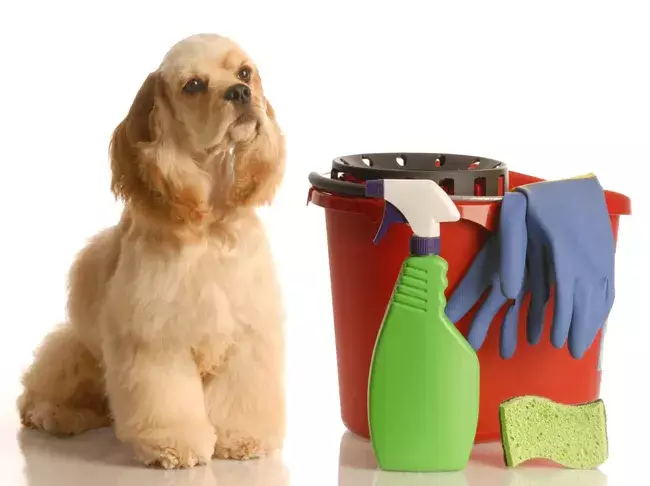
As our society has progressed, convenience and efficiency often dictate our choices, including household cleaning products. While these products are designed to minimize our workload, many contain a cocktail of chemicals that can pose significant health risks, not only to humans but especially to our beloved pets. The troubling rise in canine cancer aligns closely with the increase of similar health issues in humans, prompting a reconsideration of the chemicals we use in our homes daily. Pet owners need to recognize the potential dangers that household cleaners pose to their furry companions and seek safer alternatives.
Recent studies have shown that the air quality inside our homes can be detrimental to both human and animal health. According to the U.S. Environmental Protection Agency (EPA), indoor air pollution can be two to five times worse than outdoor air, and in some extreme cases, it may be as much as 100 times worse. This contamination is predominantly caused by household products, ranging from cleaning agents to pesticides. For dog owners, the implications are dire; ongoing exposure to these toxins has been linked to alarming cancer rates in pets. The sobering fact that one in four dogs will eventually die of cancer should be a wake-up call for pet owners to reevaluate their cleaning habits.
Unlike humans, pets are especially vulnerable to the permeation of toxic chemicals. Their faster metabolisms and smaller body sizes mean they absorb and process chemicals more rapidly, leading to a much higher risk of developing serious health issues. The risk extends even further to unspayed female dogs, who exhibit mammary tumor rates four times that of women. Chemicals frequently found in household cleaning products—particularly alkylphenols—have been identified as culprits linked to breast cancer. This correlation underscores the critical need for increased awareness regarding the cleaning products we use and their potential impact on our pets.
Research initiatives have brought greater attention to the intersection of pet and human health, especially in correlation with environmental factors. The National Cancer Institute has embraced a Comparative Oncology Program that examines canine cancer to better understand the similarities to human cancers. This initiative represents a collaborative effort among prestigious organizations like the Mayo Clinic and MIT, offering valuable insights into how our environment, including the chemicals we use in our homes, contributes to rising cancer rates in both humans and animals.
Acknowledging the undeniable link between household cleaners and health risks, many consumers are shifting toward more organic and environmentally friendly products. Numerous affordable organic cleaning options are now widely available in grocery stores, allowing conscientious consumers to maintain a clean home without exposing their pets to harmful toxins. Additionally, for those looking to cut costs and minimize chemical use, DIY cleaning solutions using baking soda, vinegar, and essential oils are effective and safe alternatives. Public awareness campaigns and educational resources continue to proliferate, focusing on safer cleaning practices that safeguard our furry friends.
A Call to Action
The rising tide of animal health issues, including cancer and allergies, should serve as a warning sign for all pet owners. Just as canaries once alerted miners to dangers underground, the health concerns facing our pets today highlight far broader implications regarding the chemicals we allow into our homes. As responsible caregivers, we must prioritize the well-being of our pets and consider the profound effects that common household products can have. By opting for safer alternatives and being mindful of the environment within our homes, we can contribute to mitigated health risks for our furry companions, ensuring they lead longer, healthier lives in environments free from harmful toxins.
