
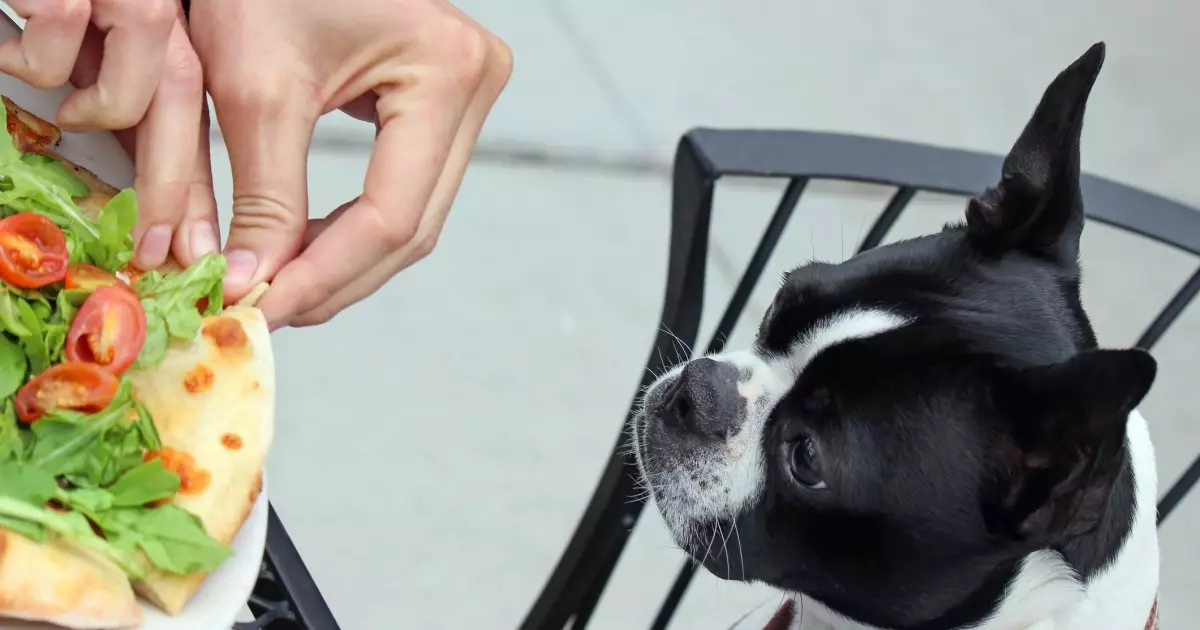
Feeding table scraps to dogs may seem benign or even affectionate; however, this behavior can have significant implications for a pet’s health and behavior. The reality is that what might be a harmless indulgence for humans can lead to a myriad of health complications for dogs. Given their shorter lifespan, the impact of our feeding choices can resonate more deeply. A dog’s digestive system is not equipped to handle many of the ingredients present in typical human foods, leading to potential long-term health issues.
Many of the foods we enjoy can pose severe risks to our canine companions. Ingredients that we often overlook, such as onions, garlic, chocolate, grapes, and xylitol, are all hazardous to dogs. Consumption of these substances can result in anything from mild stomach upset to severe organ damage or even death. Additionally, table scraps often lack the balance of nutrients that dogs require, leading to potential weight gain and malnutrition. It is crucial to remember that a dog’s diet should be specifically formulated to meet its dietary needs, and inconsistent feeding behaviors can lead to irreversible health complications.
Beyond the physical health impacts, feeding dogs table scraps can foster negative behavioral patterns. A dog that regularly receives food from the table may learn to beg persistently, disrupting mealtime for everyone involved. This behavior is not only annoying but can also lead to further issues such as anxiety or aggression related to food. If consistency and boundaries are priorities for a pet owner, then it is essential to avoid the temptation to share human food at the table.
Should a pet owner wish to include their dog in mealtime or reward them without compromising their health, there are safer alternatives available. Instead of sharing leftover food, owners can reserve plain, unseasoned pieces of chicken or vegetables specifically for training exercises. This way, dogs can feel included without exposing them to potential dangers. Being proactive about what constitutes a treat can cultivate a healthier and happier dynamic for both pet and owner.
Ultimately, the inclination to share human meals with dogs stems from a place of love, but it is imperative to consider the potential ramifications of such actions. A balanced and nutritious diet, tailored specifically for dogs, is the best strategy to ensure they live long, healthy lives. By steering clear of table scraps and understanding the nutritional requirements unique to our furry friends, pet owners can maintain their pet’s well-being and behavioral integrity, creating a solid foundation for a lasting companionship.
