
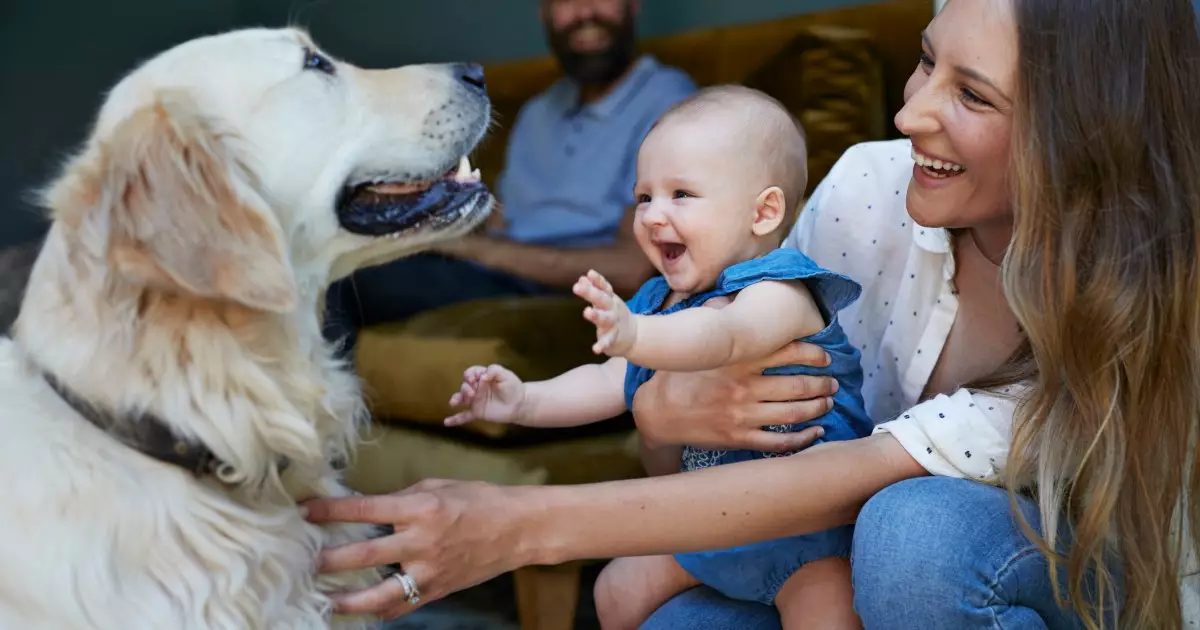
A well-adjusted dog can enrich our lives in innumerable ways. However, the journey to fostering a friendly and sociable canine companion begins long before they know the warmth of home. There’s a crucial period in a dog’s life—typically between three weeks and four months—when their sensitivity to interactions and environments is at its peak. During this brief developmental window, the experiences a dog has can shape their social behaviors for life. Understanding this phase and how to leverage it can be the difference between a timid pup and a confident, friendly adult dog.
From the moment a puppy enters the world, their early experiences play a vital role in their development. Puppyhood is often characterized by exploration and learning, and positive experiences during this time can lead to a socially adept adult dog. Conversely, negative encounters or a lack of social interactions can embed fears and anxieties that can persist throughout the dog’s life. This is why intentionally seeking out diverse socialization opportunities for your pup is paramount.
The initial step in ensuring a positive social experience is selecting a puppy who has already had exposure to people. If you are adopting, inquire about their early environment. A puppy that has been raised in a home with regular human contact is more likely to be receptive to new encounters as they grow.
While the desire to introduce your puppy to a variety of people and experiences is understandable, age-related vulnerabilities, such as susceptibility to disease, must be acknowledged. Unfortunately, this creates a bit of a paradox for puppy parents. Puppies might be too young to be taken to public spaces where they could encounter unvaccinated dogs. The solution lies in bringing the social experience to them. Hosting “puppy parties” can be an excellent strategy. Inviting friends and family, especially those with different energy levels, can create a stimulating atmosphere while keeping your puppy safe.
When guests arrive, ensure the interactions are positive. Encourage them to engage with your puppy; they can offer treats, participate in training exercises, or even simply shower your pup with affection. This approach will not only increase your dog’s comfort but also stimulate positive associations between humans and your puppy.
Repetition is essential when it comes to socialization. Simply inviting the same group of friends regularly is not enough. Introduce your puppy to a variety of people—different genders, ages, and backgrounds. This broadens their experiences and teaches them to be comfortable in various situations. For instance, while moms and dads may be natural invitees, including children, young adults, and even seniors can promote adaptability.
For dog owners seeking to enhance their social lives, this is an ideal opportunity. By balancing your social calendar with your puppy’s needs for exposure, you can cultivate not only your dog’s comfort with diverse individuals but also your own community connections.
Socialization doesn’t end at the front door. While your puppy may be too young for outdoor interactions, opportunities abound for experiences beyond the confines of home. Carrying your pup in a carrier during outings—whether to a park, café, or neighborhood stroll—can provide invaluable exposure to various sights, sounds, and people. The more experiences they receive, the better their ability to adapt and thrive in various environments.
A well-rounded puppy should also have ample opportunities to interact and play with other dogs. Social play is an essential learning experience where puppies learn manners and bite inhibition through natural canine interactions. When puppies engage in play, they hone their social skills, learning when to be gentle and how to communicate effectively with their furry peers. Encouraging your puppy to socialize with well-mannered dogs can facilitate constructive play and learning experiences.
In your journey to raise an approachable canine companion, incorporating structure into playtime and training is vital. When your puppy bites during play, yelping and halting play for a moment sends a clear message: biting results in the end of fun. However, patience is required; they need to learn this lesson continuously. Consistency is critical; a dog that understands that biting leads to loss of play will ultimately exhibit more controlled behavior.
Moreover, educating children on how to interact with young puppies helps forge safe relationships. Ensuring that kids understand the appropriate way to engage with dogs will further strengthen their bond and instill respect and understanding from an early age.
Raising a puppy to be a friend to both humans and other dogs takes dedication and effort. Through early exposure, social engagement, and consistent positive training, you can guide your puppy toward becoming a well-adjusted, friendly adult dog ready to embrace the world.
