
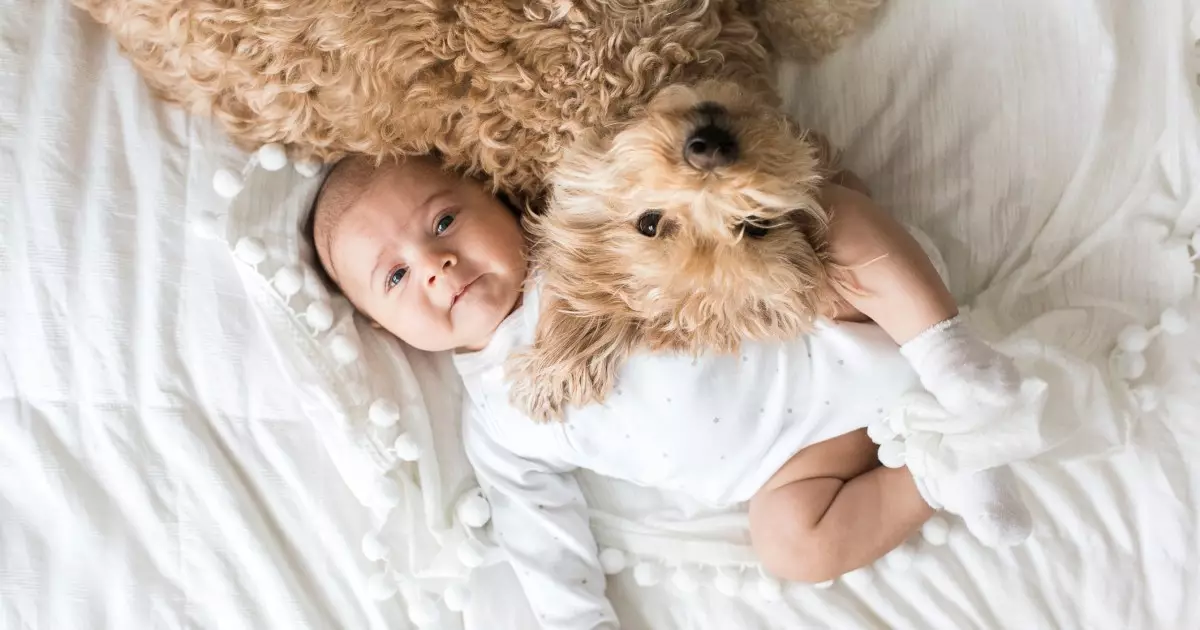
Preparing your dog for the arrival of a new baby is one of the most important steps you can take to protect your child, support your dog’s emotional health, and preserve harmony in your home. Dogs are deeply attuned to routine, scent, and attention. When those elements shift suddenly—as they do with a newborn—confusion and stress can follow if preparation is overlooked.
The good news: most dogs adapt beautifully when the transition is handled thoughtfully. This guide explains exactly how to prepare your dog before, during, and after your baby arrives, using evidence-based strategies that reduce anxiety, prevent behavior problems, and foster safe, positive relationships from day one.
Why Preparing Your Dog for a New Baby Matters
From your dog’s perspective, a new baby arrives without explanation, disrupts schedules, changes your scent, alters household sounds, and redirects your attention. Even gentle, well-socialized dogs can struggle if these changes happen abruptly.
Common issues when dogs aren’t prepared include:
-
Increased anxiety or clinginess
-
Withdrawal or depression-like behavior
-
Attention-seeking behaviors (barking, chewing, accidents)
-
Resource guarding
-
Fear responses to baby noises or movements
Preparation isn’t about controlling your dog—it’s about helping them understand what’s coming and feel secure through change.
Step One: Assess Your Dog’s Personality and Needs
Every dog responds differently to change. Start by honestly evaluating your dog’s temperament.
Consider:
-
Does your dog rely heavily on routine?
-
Are they sensitive to noise or sudden movement?
-
Do they become anxious when attention shifts?
-
How do they react to children now?
Dogs that are anxious, elderly, highly attached, or noise-sensitive benefit most from early, gradual preparation.
If your dog already shows signs of fear, reactivity, or guarding behaviors, consult a qualified trainer or behavior professional before the baby arrives.
Step Two: Stabilize and Protect Your Dog’s Routine
Routine is emotional safety for dogs. While your life will change dramatically after birth, your dog’s routine should stay as consistent as possible.
Key routines to preserve:
-
Daily walks
-
Feeding times
-
Bathroom breaks
-
Playtime
-
Rest periods
If you anticipate disruptions, plan support in advance:
-
Arrange a dog walker
-
Ask a family member to help
-
Schedule enrichment activities
A physically and mentally satisfied dog copes far better with change.
Step Three: Gradually Introduce Baby-Related Changes
Introduce Baby Items Early
Weeks before the due date, bring baby items into your home:
-
Strollers
-
Swings
-
Cribs
-
Baby blankets
-
Toys
Allow your dog to investigate calmly. Pair exposure with treats or praise to build positive associations.
Avoid sudden “baby takeover” setups just days before delivery.
Desensitize Your Dog to Baby Sounds
Baby cries can be startling. Gradual exposure reduces fear.
How to do it:
-
Play recordings of baby sounds at very low volume
-
Pair sounds with treats or play
-
Slowly increase volume over days or weeks
-
Stop before your dog shows stress
This helps prevent panic or noise sensitivity once the baby arrives.
Step Four: Teach Foundational Skills Before Baby Arrives
Training is far easier before you’re sleep-deprived.
Focus on:
-
Settle / Place: Teaching your dog to relax on a mat
-
Leave it: Essential for baby items
-
Go to bed: Encourages calm independence
-
Loose-leash walking: Helpful when pushing a stroller
-
Impulse control: Waiting calmly for attention
Positive reinforcement builds confidence and trust—avoid harsh corrections.
Step Five: Establish Baby-Free Zones and Safe Retreats
Dogs need a place where they won’t be disturbed.
Create:
-
A quiet room
-
A gated area
-
A comfortable crate (if crate-trained)
This space should always be respected—especially by visitors and, later, by children.
A dog who knows they can retreat is far less likely to react defensively.
Step Six: Prepare for Scent Changes
Dogs rely heavily on scent. Before bringing your baby home:
-
Introduce baby blankets or clothing
-
Allow your dog to sniff calmly
-
Pair exposure with praise
This helps your dog recognize the baby as part of the family before meeting them.
Step Seven: The First Day Home With Baby
Greet Your Dog First
When possible, greet your dog calmly before the baby enters the home. This reduces excitement and reassures them they haven’t been replaced.
Keep the First Introduction Low-Key
-
Dog should be leashed and calm
-
Baby should be stationary
-
Allow sniffing from a safe distance
-
Reward calm behavior
Never force interaction. Curiosity is good; avoidance is okay.
Step Eight: Supervision Is Non-Negotiable
No matter how trustworthy your dog is, never leave a dog and baby alone together.
This isn’t about distrust—it’s about safety and prevention.
Watch for subtle stress signals:
-
Lip licking
-
Turning away
-
Yawning
-
Stiff posture
-
Whale eye
If you see them, calmly create space.
Step Nine: Maintain Your Dog’s Emotional Connection
Dogs don’t measure love in logic—they measure it in time and consistency.
Make intentional efforts to:
-
Spend one-on-one time daily
-
Continue affection rituals
-
Speak to your dog calmly and positively
Even five focused minutes can prevent jealousy and anxiety.
Step Ten: Manage Visitors and Overstimulation
New babies bring visitors. Visitors bring noise.
Protect your dog by:
-
Limiting crowding
-
Using gates during busy times
-
Allowing your dog breaks
A stressed dog is more likely to develop negative associations with the baby.
Step Eleven: Adjust Expectations—Progress Isn’t Linear
Some dogs adapt instantly. Others need weeks or months.
Normal adjustment behaviors include:
-
Temporary withdrawal
-
Mild clinginess
-
Increased sleep
-
Reduced appetite
These usually resolve with consistency and reassurance.
Seek help if you notice:
-
Aggression
-
Extreme anxiety
-
Resource guarding
-
Regression in training
Common Mistakes to Avoid
-
Punishing stress-related behavior
-
Forcing interaction
-
Ignoring early warning signs
-
Removing all attention from your dog
-
Waiting until after birth to prepare
Preparation is prevention.
When to Seek Professional Support
Consult a certified trainer or veterinary behaviorist if:
-
Your dog has a bite history
-
Displays fear toward children
-
Guards space, food, or people
-
Shows escalating anxiety
Early guidance can prevent serious issues.
Long-Term Success: Growing Together
As your baby grows, your dog will need continued guidance:
-
Teach children respectful interaction
-
Reinforce boundaries
-
Maintain routines
-
Continue supervision
Dogs and children can form extraordinary bonds when relationships are built safely and intentionally.
Frequently Asked Questions
Will my dog get jealous of my baby?
Dogs don’t feel jealousy like humans, but they can feel displaced. Consistent attention prevents this.
Should I rehome my dog if I’m worried?
In most cases, no. Preparation and support resolve the vast majority of concerns.
Is it safe for my dog to lick my baby?
Avoid face licking. Gentle contact elsewhere should be supervised and discussed with your pediatrician.
How long does adjustment take?
Anywhere from days to months, depending on the dog.
Final Thoughts: Preparation Builds Trust, Not Tension
Preparing your dog for the arrival of a new baby isn’t about control—it’s about compassion, foresight, and safety. Dogs thrive when they understand their world. By preparing early, maintaining routines, and honoring your dog’s emotional needs, you set the foundation for a peaceful, loving household.
With patience and planning, your dog doesn’t just tolerate your baby—they learn that this tiny human is part of their family too.
