
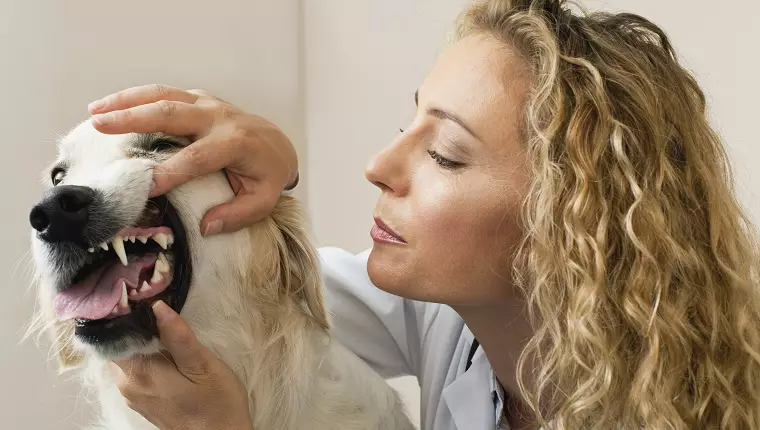
February is a month celebrated for various awareness initiatives, but for devoted pet owners, it holds a special significance as National Pet Dental Health Month. Maintaining dental health for our furry companions is crucial. Unfortunately, many pet parents overlook the vital importance of checking their dogs’ mouths regularly. Alarmingly, research indicates that up to 80 percent of adult dogs suffer from oral health problems, making it imperative that pet owners pay attention to this often-neglected aspect of their pets’ care.
A dog’s mouth is typically a thriving ecosystem for a variety of bacteria. This is largely due to the warm, moist environment and the nutrient-rich conditions that allow both good and harmful bacteria to flourish. While many of these microorganisms play essential roles in maintaining oral health, the balance can quickly tip in favor of pathogenic bacteria when plaque and tartar are allowed to accumulate unchecked. These buildups can lead to severe oral pathology and have wider implications for a dog’s overall health.
Poor oral hygiene can lead to bad breath, which is often the first noticeable sign of dental disease. However, it’s vital to recognize that the ramifications of neglecting dental health extend far beyond the unpleasant odor. Toxins from periodontal disease can enter the bloodstream, posing grave risks to vital organs such as the heart, liver, and kidneys. Once these organs become compromised, the consequences can be catastrophic, including chronic infections that could ultimately lead to a dog’s premature demise.
Many pet parents are astonished to learn during routine veterinary check-ups that their beloved pets are suffering from serious dental issues such as loose teeth, infected gums, or decaying tooth sockets. These conditions not only cause immense pain and discomfort for dogs but can also contribute to overall health deterioration. Regular veterinary visits are essential to monitor and treat any developing dental problems early, preventing more serious health issues down the line.
Unfortunately, a significant number of pet owners underestimate the impact of dental care on their dog’s lifespan. One veterinarian’s candid remark highlights the clear correlation between dental hygiene and longevity: a daily brushing routine can extend a puppy’s life expectancy to 15-17 years, compared to just 11-13 years for those who do not maintain consistent oral care. This poignant observation underscores the need to prioritize dental care as part of an overall strategy for ensuring a pet’s health.
A proactive approach to dental care can make all the difference. Initiating a dental care routine from an early age helps dogs acclimatize to the process, making them more compliant as they grow. Pet owners should seek guidance from their veterinarians, who can provide practical insights and tips on proper brushing techniques.
When selecting dental care tools, it’s crucial to choose a toothbrush that is the right size for your dog. Specially designed dog toothbrushes with soft bristles can minimize discomfort, creating a less stressful brushing experience. In cases where dogs resist traditional brushes, alternative cleaning methods, such as finger brushes or gauze, can provide effective solutions. Moreover, it’s essential to use canine-specific toothpaste, as human toothpaste can be harmful to dogs.
Creating a successful dental care routine requires patience and gradual implementation. Start with a small dab of dog-specific toothpaste to allow the dog to become familiar with the taste, using lots of positive reinforcement and praise to create a positive association. Once the dog is comfortable, slowly introduce the brushing action, prioritizing the outer surfaces of the teeth since saliva usually cleans the inner surfaces.
Additionally, incorporating dental chews and toys into a dog’s routine can further aid oral hygiene. Nontoxic dental chews and durable toys designed explicitly for dental care can facilitate cleaning while satisfying your dog’s natural desire to chew. Furthermore, several dog-friendly treats are designed to control tartar and help maintain gum health, though it’s essential to monitor caloric intake to prevent obesity.
Lastly, dietary choices play a pivotal role in oral health. Seek advice from your veterinarian to develop a nutritious, meat-based diet that supports dental well-being in your dog.
Maintaining good oral health for dogs is vital for their overall well-being. Responsible pet ownership entails regular veterinary check-ups, at-home dental care, and a balanced diet. By investing time into their dental health, pet owners can not only enhance their dogs’ quality of life but also significantly prolong it. As February arrives each year, let it serve as a reminder of the importance of prioritizing dental care for our cherished canine companions.
