
Ensuring Healthy Weight Maintenance in Spayed or Neutered Dogs
Maintaining a healthy weight after spaying or neutering is one of the most important responsibilities pet owners face following these common procedures. While spaying and neutering offer well-established medical and behavioral benefits, they also bring metabolic changes that can increase a dog’s risk of weight gain. Understanding why this happens — and how to prevent it — allows you to protect your dog’s long-term health while supporting a happy, active life.
This guide explains what changes occur after spaying or neutering, why weight gain is so common, and how to manage diet, activity, and lifestyle in a realistic, sustainable way.
Why Spaying or Neutering Affects a Dog’s Weight
Spaying and neutering influence hormones that regulate metabolism, appetite, and activity. After surgery, many dogs experience subtle but meaningful biological changes that affect how their bodies use energy.
Research has shown that neutered dogs may:
- Burn fewer calories at rest
- Experience increased appetite
- Show reduced motivation for roaming or high-intensity activity
- Store fat more efficiently
These changes do not automatically cause obesity, but they do make weight gain easier if food intake and activity remain unchanged.
In simple terms, a dog that eats the same amount of food but burns fewer calories is likely to gain weight over time.
Why Weight Gain After Spaying or Neutering Matters
Excess weight is not a cosmetic issue. It has measurable consequences for health, mobility, and lifespan.
Dogs carrying excess body fat face increased risk of:
- Joint stress and arthritis
- Diabetes mellitus
- Heart and respiratory disease
- Reduced stamina
- Heat intolerance
- Reduced immune function
- Shortened lifespan
Studies consistently show that dogs maintained at a healthy weight live longer and experience fewer chronic illnesses than overweight dogs.
Preventing weight gain early is far easier than trying to reverse obesity later.
Understanding Metabolic Changes After Surgery
Hormones such as estrogen and testosterone influence metabolism, muscle mass, and appetite regulation. After sterilization:
- Energy requirements may decrease by 20–30%
- Appetite-regulating hormones may increase hunger signals
- Lean muscle mass may decline without exercise
- Fat storage becomes more efficient
This combination explains why dogs may appear “hungrier” even when they don’t need more calories.
Recognizing this shift early allows owners to adjust feeding and activity proactively instead of reacting to weight gain later.
The Role of Exercise in Maintaining a Healthy Weight
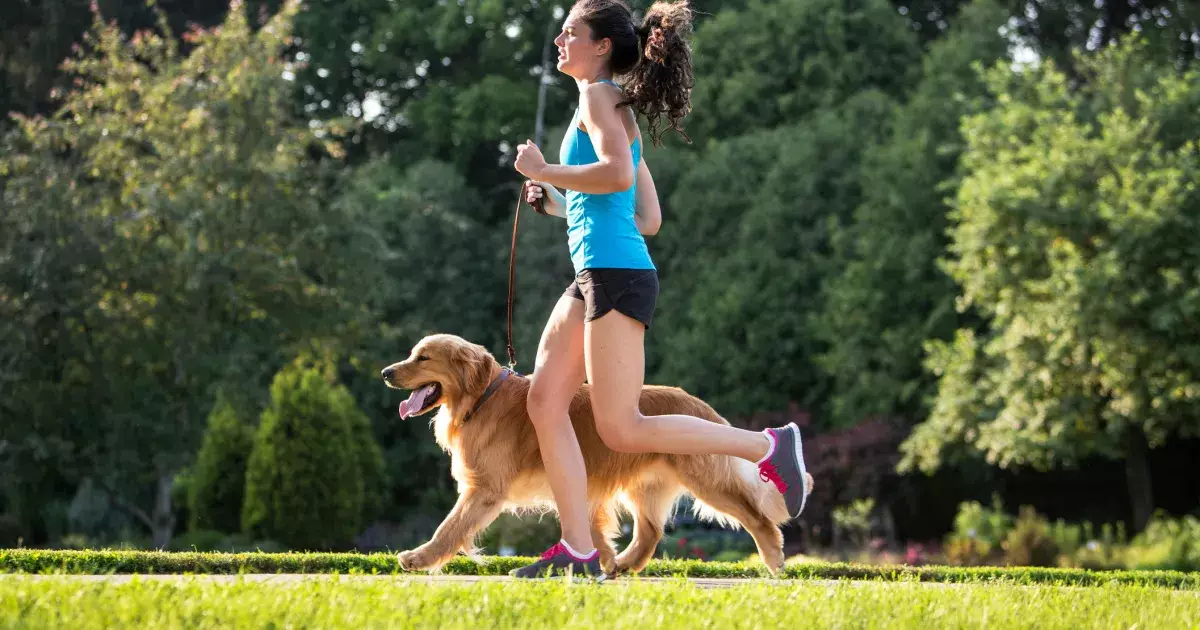
Daily movement is essential for maintaining a healthy weight after spaying or neutering. Exercise supports metabolism, preserves muscle tone, and provides critical mental stimulation.
Recommended daily activity includes:
- Structured walks
- Play sessions
- Training exercises
- Interactive games
- Low-impact conditioning
The ideal activity level depends on age, breed, and physical condition, but consistency matters more than intensity.
Types of exercise that support weight control:
- Brisk walks
- Fetch sessions
- Tug games
- Swimming
- Agility or obstacle-style play
- Puzzle-based movement games
Exercise also helps reduce boredom-related behaviors such as chewing or excessive barking.
Building an Exercise Routine That Works
After surgery, dogs should ease back into activity gradually based on veterinary guidance. Once fully healed, the goal is to establish a sustainable routine.
Helpful strategies include:
- Scheduling walks at the same time each day
- Varying routes to keep engagement high
- Using toys or games that encourage movement
- Breaking activity into shorter sessions if needed
Consistency matters more than duration. Even moderate daily activity helps regulate metabolism over time.
Nutrition: The Foundation of Weight Control
Diet plays the largest role in managing weight after spaying or neutering. Many dogs gain weight not because they eat excessively, but because their caloric needs decrease.
Key nutrition principles:
- Adjust portion sizes after surgery
- Avoid free-feeding
- Measure meals accurately
- Limit high-calorie treats
- Avoid frequent table scraps
Portion sizes listed on food packaging often represent general guidelines rather than individualized needs. Your veterinarian can help calculate appropriate calorie intake based on your dog’s age, size, and activity level.
Choosing the Right Food After Spaying or Neutering
Some dogs benefit from specially formulated diets designed for sterilized pets. These foods often contain:
- Lower calorie density
- Higher fiber content
- Balanced protein levels
- Nutrients that support lean muscle
However, switching foods is not always required. Many dogs thrive on their existing diet with portion adjustments.
Always transition food gradually to prevent digestive upset.
Treats: How Much Is Too Much?
Treats play an important role in training and bonding, but they can contribute significantly to excess calories if not managed carefully.
Helpful strategies include:
- Limiting treats to 10% or less of daily calories
- Using small, soft treats
- Breaking treats into smaller pieces
- Using part of regular kibble as rewards
- Offering low-calorie options such as vegetables (with vet approval)
Treats should support behavior, not replace balanced nutrition.
Feeding Schedules Matter
Free-feeding makes it difficult to monitor intake and often leads to overeating.
Instead:
- Feed measured meals
- Stick to consistent times
- Remove uneaten food after 15–20 minutes
- Avoid constant grazing
Scheduled feeding helps regulate appetite and allows you to notice changes in eating behavior early.
Monitoring Weight and Body Condition
Weight alone doesn’t tell the full story. Body condition scoring (BCS) is a more accurate way to assess whether your dog is at a healthy weight.
Signs of a healthy body condition:
- Ribs easily felt but not visible
- A noticeable waist when viewed from above
- Tucked abdomen from the side
- Good muscle tone
Signs of excess weight:
- Difficulty feeling ribs
- No visible waist
- Rounded or sagging belly
- Reduced stamina
Checking body condition monthly helps catch gradual weight gain before it becomes a problem.
Using Veterinary Guidance Effectively
Your veterinarian plays a key role in helping your dog maintain a healthy weight after spaying or neutering.
They can:
- Calculate daily calorie needs
- Recommend appropriate diets
- Monitor weight trends
- Identify underlying medical issues
- Adjust plans as your dog ages
Regular wellness visits allow for proactive adjustments rather than reactive fixes.
Behavioral Changes After Spaying or Neutering
Some dogs experience subtle behavioral shifts that indirectly affect weight.
Common changes include:
- Reduced roaming instincts
- Lower activity drive
- Increased food motivation
- Calmer temperament
These changes are normal and often beneficial, but they reinforce the importance of structured activity and mindful feeding.
Mental Stimulation Supports Healthy Weight
Physical exercise alone is not enough. Mental enrichment helps prevent boredom-driven eating and inactivity.
Ideas include:
- Puzzle feeders
- Scent games
- Training sessions
- Hide-and-seek with toys
- Rotating enrichment activities
Mental work burns energy and supports emotional balance.
Preventing Weight Gain Is Easier Than Treating It
Once a dog becomes overweight, weight loss requires careful planning, patience, and veterinary oversight. Prevention is always the easier and safer route.
Early intervention helps:
- Preserve joint health
- Maintain energy levels
- Reduce disease risk
- Improve quality of life
Small daily choices have long-term impact.
Special Considerations for Large and Small Breeds
Larger breeds may be more prone to joint stress and mobility issues when overweight, while smaller breeds can gain weight rapidly due to lower calorie needs.
Tailoring feeding and exercise to your dog’s size and breed type is essential.
When to Seek Professional Help
Consult your veterinarian or a veterinary nutritionist if:
- Your dog gains weight rapidly
- Weight does not respond to diet changes
- Your dog seems constantly hungry
- Mobility decreases
- You’re unsure about portion sizes
Professional guidance ensures safe, effective weight management.
Frequently Asked Questions
Do dogs always gain weight after being spayed or neutered?
No, but their metabolism often slows. Without adjustments, weight gain becomes more likely.
How soon after surgery should diet changes begin?
Once your dog resumes normal eating, portion adjustments can begin under veterinary guidance.
Can exercise alone prevent weight gain?
Exercise helps, but diet control plays a larger role. Both are necessary.
Are special “neutered dog” foods required?
Not always. Some dogs do well on regular diets with adjusted portions.
How often should I weigh my dog?
Monthly checks are ideal for tracking trends and catching changes early.
Final Thoughts: Supporting Lifelong Health After Spaying or Neutering
Ensuring a healthy weight after spaying or neutering is one of the most meaningful ways to support your dog’s long-term health and happiness. While hormonal changes can make weight gain easier, thoughtful nutrition, consistent exercise, and regular monitoring make prevention entirely achievable.
With mindful care, your dog can enjoy the full benefits of sterilization—reduced health risks, improved behavior, and a longer, more comfortable life. By staying proactive and attentive, you help your companion thrive through every stage of life, strong, active, and full of joy.
