
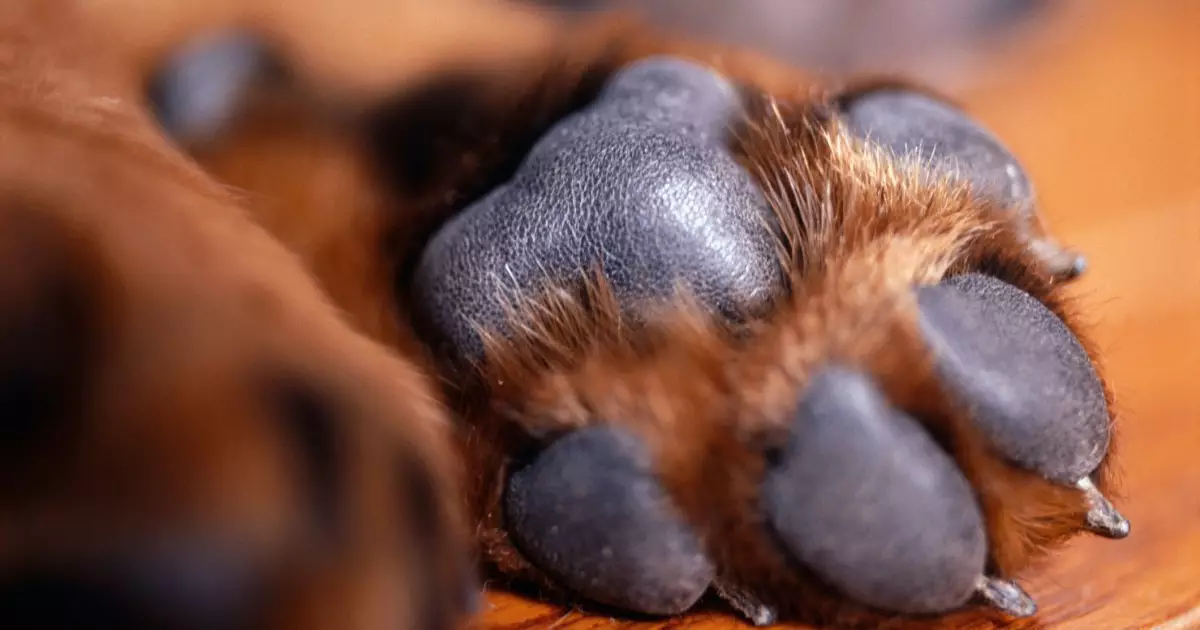
Cherishing Your Dog: A Guide to Capturing Paw Prints
Creating dog paw prints is one of the most meaningful ways to preserve a tangible memory of your canine companion. Whether you’re celebrating a puppy milestone, crafting a personalized gift, or honoring a beloved dog’s legacy, paw prints offer a deeply personal keepsake that lasts a lifetime. From framed art and ornaments to tattoos and memorials, these impressions carry emotional value far beyond their simplicity.
This guide walks you through everything you need to know about capturing your dog’s paw prints safely, calmly, and successfully. You’ll learn how to prepare your dog, choose the right materials, avoid common mistakes, and create a keepsake you’ll treasure for years.
Why Dog Paw Prints Hold So Much Meaning
A dog’s paw print is more than a mark on paper or clay. It represents companionship, loyalty, and shared memories. Many people choose to capture paw prints to:
- Create personalized artwork or home décor
- Make holiday ornaments or gifts
- Preserve memories of senior dogs
- Honor a dog who has passed away
- Celebrate adoption anniversaries or milestones
- Design tattoos or jewelry
Because dogs are such integral parts of our lives, having something physical that reflects their presence can be incredibly comforting and meaningful.
Preparing Your Dog for Paw Print Capture
Before gathering supplies, your dog’s comfort should come first. A relaxed dog will produce better results and a more positive experience.
Start With Calm Energy
Choose a quiet time when your dog is naturally relaxed—after a walk, play session, or meal. Avoid moments when they are overstimulated or anxious.
Your tone and body language matter. Speak softly, move slowly, and treat this as a bonding activity rather than a task to complete quickly.
Get Your Dog Comfortable With Paw Handling
Many dogs are sensitive about their paws. Before attempting prints, spend a few days gently handling and massaging them.
You can:
- Touch each paw briefly and reward with treats
- Gently spread toes to mimic the motion needed for printing
- Pair handling with praise or affection
This conditioning process is especially helpful for puppies, senior dogs, or dogs unaccustomed to grooming.
Choosing the Right Method for Dog Paw Prints
There are several ways to capture paw prints, depending on your purpose and comfort level. Each method has advantages depending on whether you want a temporary craft or a permanent keepsake.
1. Ink or Paint Paw Prints (Most Popular)
This method creates clean, detailed prints ideal for framing or scanning.
Best for: Artwork, cards, scrapbooks, tattoos, memory frames
Use:
- Non-toxic, pet-safe ink or paint
- Washable, child-safe products
- Archival ink if you want long-term preservation
Avoid using standard craft paint unless labeled non-toxic.
2. Air-Dry or Salt Dough Impressions
This option creates a three-dimensional keepsake.
Best for: Ornaments, memorial plaques, keepsakes
A simple dough recipe:
- 1 cup flour
- 1 cup salt
- Water (added gradually until pliable)
Roll flat, press the paw gently, and allow it to air-dry or bake at a low temperature.
3. Commercial Paw Print Kits
Many pet keepsake kits are available and often include:
- Mess-free ink pads
- Soft clay molds
- Display frames
These kits are convenient and designed with pet safety in mind, making them ideal for beginners.
4. Memorial Paw Prints (After Loss)
If your dog has passed away, many veterinarians, cremation services, and pet memorial providers offer professional paw print services. These are handled with care and respect, often using clay or ink.
Step-by-Step: How to Capture a Dog Paw Print Safely
Step 1: Gather Your Supplies
Before bringing your dog into the process, prepare everything you’ll need:
- Non-toxic ink or paint
- Paper, cardstock, or canvas
- Baby wipes or damp cloth
- Towels
- Treats
- Optional gloves
Having everything ready prevents unnecessary stress or delays.
Step 2: Clean the Paw
Wipe your dog’s paw gently to remove dirt or moisture. This helps create a clean, defined print and prevents smudging.
If your dog has cuts, irritation, or sores on their paw, postpone the activity until healed.
Step 3: Apply the Ink or Paint
Apply a thin, even layer to the paw pad. Avoid excess product, which can blur the print.
You can:
- Press the paw gently into an ink pad
- Use a soft brush or sponge to apply paint
Keep your movements slow and controlled.
Step 4: Make the Print
Guide your dog’s paw straight down onto the surface.
- Apply gentle, even pressure
- Hold for one to two seconds
- Lift straight up to prevent smearing
Don’t worry if the first attempt isn’t perfect. Multiple tries are normal.
Step 5: Clean Immediately
Wipe the paw thoroughly after each attempt. Dogs may instinctively try to lick their feet, so prompt cleanup is essential.
Offer a treat or praise to reinforce cooperation.
Tips for Better Paw Prints
- Choose a flat, stable surface
- Work at your dog’s level
- Stay calm and patient
- Take breaks if your dog becomes restless
- Keep sessions short
- Praise generously
Sometimes the best prints come after a few relaxed attempts rather than trying to rush.
Creating Meaningful Keepsakes From Paw Prints
Once you have a successful print, you can turn it into something truly special.
Popular Paw Print Keepsake Ideas
- Framed artwork with your dog’s name and date
- Clay ornaments for holidays
- Scrapbook pages
- Memory boxes
- Jewelry engravings
- Tattoos
- Canvas prints
- Custom cards
Adding your dog’s name, age, or a short message can make the keepsake even more personal.
Preserving Paw Prints for the Long Term
To ensure longevity:
- Use archival-quality paper or ink
- Store in a dry, cool location
- Avoid direct sunlight
- Frame behind glass when possible
- Digitize by scanning or photographing
Digital copies provide backup and allow easy reproduction later.
Emotional Considerations When Making Paw Prints
Capturing paw prints can be joyful, but it can also stir emotions—especially if your dog is aging or has passed away.
If the process feels overwhelming, take breaks or ask for help. There’s no “right” timeline for creating keepsakes. Some people prefer to do this early in a dog’s life; others find comfort in memorial pieces later.
Both approaches are valid.
Common Mistakes to Avoid
- Using toxic or permanent paints
- Rushing the process
- Forcing an anxious dog
- Forgetting to clean paws promptly
- Expecting perfection on the first try
- Skipping safety checks
A relaxed, patient approach almost always leads to better results.
When to Ask for Professional Help
You may want professional assistance if:
- Your dog is elderly or medically fragile
- You want a high-quality memorial
- You prefer not to handle the process yourself
- Your veterinarian offers imprint services
Many veterinary clinics and pet memorial services provide respectful, compassionate paw print creation.
Frequently Asked Questions
What is the safest way to get dog paw prints?
Use non-toxic, pet-safe ink or kits specifically designed for animals. Always clean paws afterward.
Can I make paw prints with puppies?
Yes, but be gentle and keep sessions short. Puppies may need extra patience.
How do I get a clear paw print?
Clean the paw first, apply a thin layer of ink, press gently, and lift straight up.
Can I make paw prints after my dog has passed?
Yes. Many veterinarians and cremation services offer memorial paw print services.
How do I preserve paw prints long-term?
Use archival materials, frame prints, or store them in protective sleeves. Digital backups are also helpful.
Final Thoughts: Preserving a Bond That Lasts
Capturing your dog’s paw print is more than a craft—it’s a tribute to companionship, loyalty, and shared life moments. Whether you’re celebrating the present or honoring the past, this simple act creates something deeply personal and enduring.
By approaching the process with patience, care, and respect for your dog’s comfort, you transform a small impression into a lasting symbol of love. Long after the ink dries or the clay hardens, the meaning behind that paw print remains—quiet, powerful, and full of memories you’ll always hold close.
