
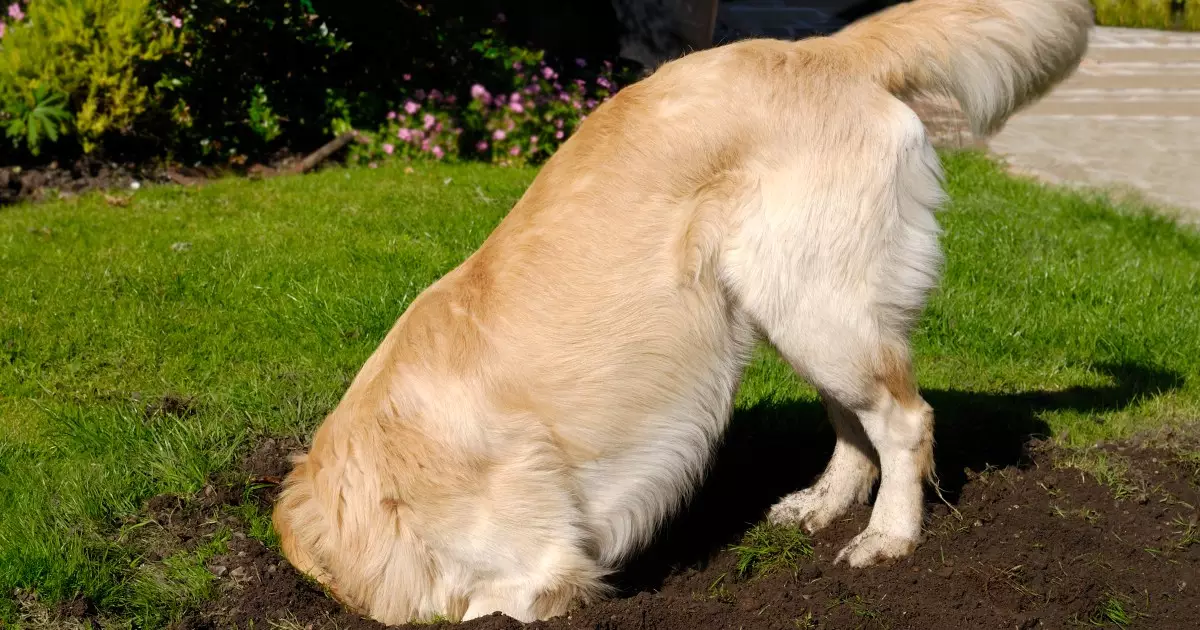
Canine digging behavior is one of the most common—and misunderstood—habits dog parents face. If your dog is tearing up the yard, excavating flower beds, or tunneling under fences, it’s easy to label the behavior as destructive or defiant. In reality, digging is rarely “bad behavior.” It’s a natural, purposeful action rooted in instinct, genetics, environment, and emotional needs.
The key to stopping unwanted digging isn’t punishment—it’s understanding why your dog digs and responding in a way that meets those needs without sacrificing your yard. This guide explains the real reasons behind canine digging behavior, which dogs are most prone to it, when digging signals a deeper issue, and how to manage and redirect it effectively.
Why Do Dogs Dig? The Real Reasons Behind Canine Digging Behavior
Dogs don’t dig randomly. Every hole has a reason—even if it doesn’t make sense to us.
Digging Is an Instinct, Not a Flaw
Long before dogs lived in homes and yards, their ancestors dug for survival. Digging helped them:
-
Create cool or warm resting spots
-
Hide food from competitors
-
Access prey underground
-
Escape danger
Those instincts didn’t disappear with domestication. They simply show up in modern settings like backyards and gardens.
Breed-Specific Digging Tendencies
Some dogs are genetically wired to dig more than others. Understanding your dog’s breed history can explain a lot.
Northern and Arctic Breeds: Digging to Cool Down
Breeds such as Huskies, Malamutes, and Samoyeds often dig shallow pits to escape heat. The soil beneath the surface is cooler, making digging a natural temperature-regulation strategy.
Terriers: Born to Dig
Terriers were bred to hunt burrowing animals. Digging isn’t just enjoyable for them—it’s deeply satisfying.
Common digging-prone terriers include:
-
Jack Russell Terriers
-
Border Terriers
-
Cairn Terriers
Expecting these dogs not to dig at all is unrealistic. The goal is redirection, not elimination.
Working and Herding Breeds: Digging from Boredom
Highly intelligent breeds like Border Collies, Australian Shepherds, and Belgian Malinois may dig when under-stimulated. For them, digging is often a symptom of unmet mental needs.
Environmental Triggers That Drive Digging
Even dogs without strong digging genetics may start digging due to their surroundings.
Heat and Weather
Dogs often dig:
-
In summer to cool off
-
In winter to create sheltered resting spots
If your dog digs more during extreme temperatures, environmental comfort is likely the cause.
Prey Under the Ground
Moles, gophers, insects, and even earthworms can trigger digging. Your dog hears and smells movement underground long before you notice it.
Escape and Roaming Instincts
Dogs may dig near fences to escape due to:
-
Sexual maturity (especially in unneutered males)
-
Separation anxiety
-
Boredom or frustration
Escape-related digging often focuses on fence lines.
Emotional and Behavioral Causes of Canine Digging Behavior
Boredom and Excess Energy
One of the most common causes of digging is simple: your dog has too much energy and nothing to do.
Signs boredom is the driver:
-
Digging happens when you’re away
-
The dog has limited exercise
-
Other destructive behaviors are present
Digging becomes self-entertainment.
Anxiety and Stress
Some dogs dig to cope with emotional distress.
Triggers include:
-
Separation anxiety
-
Sudden changes in routine
-
New pets or family members
-
Loud noises or construction
In these cases, digging is soothing rather than playful.
When Digging Signals a Bigger Problem
Occasional digging is normal. Chronic, frantic, or sudden digging may indicate an underlying issue.
Medical Considerations
While rare, excessive digging can sometimes be linked to:
-
Cognitive decline in senior dogs
-
Hormonal imbalances
-
Neurological issues
If digging behavior appears suddenly, escalates rapidly, or is paired with other behavioral changes, consult your veterinarian.
Why Punishment Makes Digging Worse
Scolding, yelling, or physical correction does not stop canine digging behavior. It often increases it.
Punishment:
-
Raises stress levels
-
Damages trust
-
Fails to address the root cause
Dogs don’t connect punishment with past digging—they connect it with you or the environment, which can worsen anxiety-driven behaviors.
How to Stop Canine Digging Behavior the Right Way
The most effective approach combines management, enrichment, and redirection.
Step 1: Meet Your Dog’s Physical Needs
Increase Daily Exercise
A tired dog is far less likely to dig.
Aim for:
-
At least one structured walk daily
-
Breed-appropriate exercise (running, hiking, fetch)
-
Consistency, not just weekend activity
High-energy dogs often need more than casual backyard time.
Step 2: Provide Mental Stimulation
Mental fatigue is just as important as physical exercise.
Effective enrichment includes:
-
Obedience training sessions
-
Puzzle feeders
-
Nose work and scent games
-
Rotating toys to maintain novelty
Mental engagement reduces boredom-driven digging dramatically.
Step 3: Modify the Environment
Cooling Solutions
If heat triggers digging:
-
Provide shaded areas
-
Use raised cooling beds
-
Offer kiddie pools or misting options
Pest Control
If prey is the issue:
-
Address rodents or insects humanely
-
Remove attractants like fallen bird seed
Reinforce Fences
To stop escape digging:
-
Bury chicken wire along fence lines
-
Use landscaping stones or concrete barriers
-
Extend fencing below ground level
Step 4: Create a Designated Digging Area
Some dogs simply need to dig. Give them permission—on your terms.
How to Build a Dig Pit
-
Choose a quiet corner of the yard
-
Loosen soil and mix with sand
-
Bury toys or treats occasionally
-
Encourage digging there with praise
When your dog digs elsewhere, redirect calmly to the approved spot.
Step 5: Reinforce the Right Choices
Reward your dog for:
-
Digging in approved areas
-
Choosing rest over digging
-
Responding to redirection
Positive reinforcement builds habits faster than correction ever will.
Special Considerations for Puppies
Puppies dig for exploration and play. Most outgrow it naturally with:
-
Supervision
-
Redirection
-
Structured routines
Avoid harsh corrections during this stage—it can create long-term anxiety.
Multi-Dog Households and Digging
In homes with multiple dogs, digging can become contagious.
Tips:
-
Ensure each dog gets individual exercise
-
Prevent competition for resources
-
Supervise outdoor time initially
When to Seek Professional Help
If digging persists despite consistent effort, a certified dog trainer or behavior professional can help identify:
-
Anxiety triggers
-
Environmental stressors
-
Training gaps
Early intervention prevents long-term habits.
Frequently Asked Questions About Canine Digging Behavior
Is digging a sign of dominance?
No. Dominance-based explanations are outdated and inaccurate.
Will neutering stop digging?
Neutering may reduce hormone-driven escape digging but won’t stop boredom or instinct-based digging.
Should I fill in holes immediately?
Yes, but without drama. Filling holes removes reinforcement without adding stress.
Can digging ever be healthy?
Yes—when managed appropriately, digging can be enriching and stress-relieving.
Final Thoughts: Digging Is Communication, Not Defiance
Canine digging behavior isn’t a flaw—it’s communication. Your dog is telling you something about their needs, instincts, or environment. When you listen instead of punish, solutions become clearer and more effective.
By understanding why dogs dig and responding with empathy, structure, and enrichment, you can protect your yard and strengthen your relationship with your dog. Digging doesn’t have to be a battle—it can be managed, redirected, and even embraced in healthy ways.
