
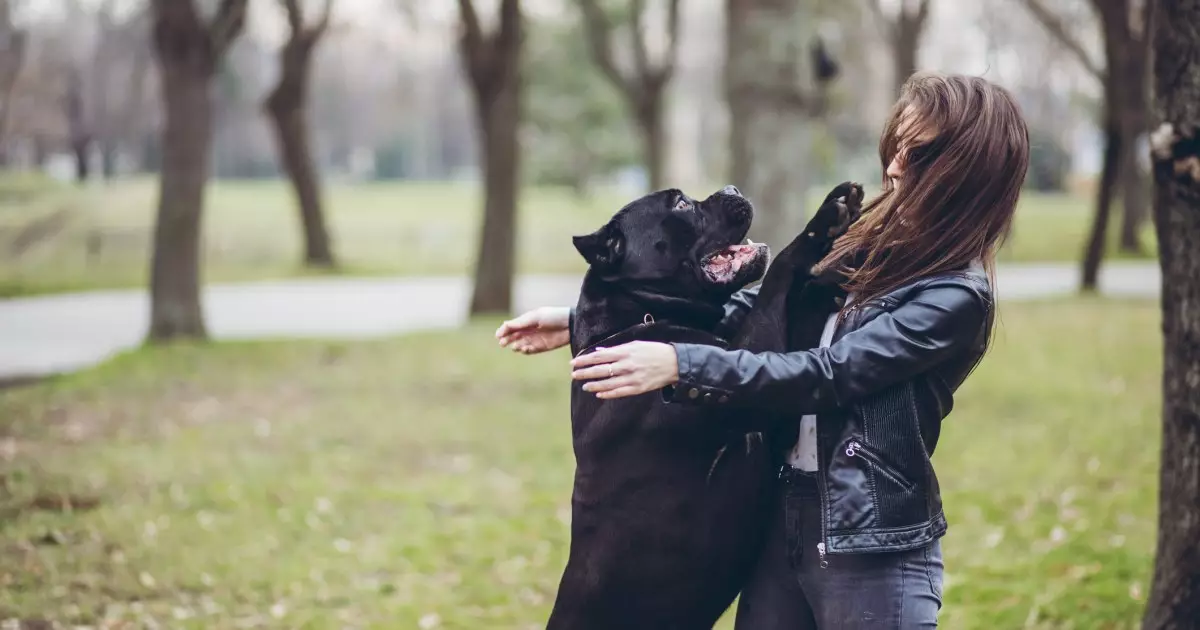
Dogs are beloved companions that exhibit a range of behaviors, some charming and some less welcome. One such behavior, jumping up on their owners, often comes from a place of excitement and affection. This natural canine impulse has origins that trace back to puppyhood, when jumping is a cute way to engage with humans. However, as dogs grow, that little bounce can become cumbersome, especially in larger breeds. Understanding the reasons behind this behavior and learning to manage it effectively is key to fostering a well-behaved pet.
The Roots of Jumping Behavior in Dogs
For dogs, jumping serves dual purposes. Firstly, it is an expression of enthusiasm. When a dog sees their favorite person come home, the instinctive reaction is often to leap in excitement. Secondly, it allows them to get up close and personal—sniffing the scent glands located around the human face. This olfactory exploration is fundamental to how dogs interact with their environment and each other. In their eyes, jumping is a means of both saying “hello” and gathering information about you.
During the developmental stages, particularly as puppies, dogs receive unintentional reinforcement for this behavior. When they jump up, they get access to their human’s face, hear excited tones, and experience physical closeness—all encouraging them to repeat the act. While a 10-pound puppy may seem harmless when bouncing up to greet you, that same behavior becomes problematic with a full-grown, 70-pound dog. Thus, it is crucial to establish boundaries early on to help your dog’s behavior evolve with their size.
The core of behavioral modification lies in teaching your dog that jumping won’t yield the desired outcome. In essence, jumping should not lead to any form of reward—be it attention, treats, or affection. It’s important for dog owners to understand that these habits can be effectively managed through consistency and clear communication.
When your dog jumps up, it’s essential to respond with a calm demeanor. Hugging your chest and turning away sends a message that the behavior is unwanted. While using a firm command such as “Off!” in a low voice, you can redirect your dog’s energy to a more appropriate behavior, such as “Sit.” Once your dog complies, offering praise and gentle affection reinforces the desired action, encouraging them to seek approval through calmer means.
An effective approach to mitigate jumping is to take advantage of the many occasions that present themselves daily. If your dog tends to jump primarily when you come home, consider practicing a sequence of polite greetings during the day. You can leave and return to your home briefly, rewarding your dog for remaining calm when you step through the door. By establishing rituals around greetings and consistently rewarding calm behavior, you deepen their understanding of how to engage appropriately.
Consistency is key in this training endeavor. If jumping is allowed in some circumstances—like when you come home in the garden versus your business suit—you send a mixed message. Ensuring that your dog learns there are clear and consistent behavioral expectations attached to greeting you will help reinforce the learning process. Until your dog demonstrates mastery of keeping “four on the floor,” make it a practice not to offer them greetings, treats, or other rewards.
Redirecting Attention and Impulse Control
For puppies, the goal is to avoid inadvertently encouraging jumping behavior. Instead of incentivizing leaping, promote activities that channel their excitement towards more appropriate actions. Engage with them in games, teach them to fetch, or encourage them to roll over for belly rubs—all offering pathways for your dog to express joy without jumping.
For those with adults dogs, it’s never too late to implement behavioral changes. Engaging with your dog at their level is a valuable strategy. When you enter your home, bend down to greet them, using soft and reassuring tones. Keep treats low to the ground to divert their attention away from your face and help them reorient their energy.
Ultimately, it is crucial to remember that jumping is instinctual behavior that dogs may struggle to resist. Success in curbing this habit often requires patience, consistency, and a dedication to impulse control through ongoing obedience training. By establishing clear behavioral expectations and recognizing when to provide feedback, you can transform jumping from a bothersome habit into a more measured form of greeting, enriching your relationship with your furry friend.
