Understanding and Managing Flea Infestations in Dogs
Flea infestations in dogs are more than just a nuisance—they can lead to serious discomfort, skin infections, and even allergic reactions. These tiny parasites thrive in warm environments and multiply rapidly, making early detection and treatment crucial for your dog’s well-being. Whether you’re dealing with a current outbreak or looking to prevent one, understanding how fleas infest your pet and how to manage them is key. In this guide, we’ll explore how to identify signs of fleas, the best flea treatments for dogs, and natural and veterinary-approved methods for flea prevention. Protecting your furry friend from fleas starts with the right knowledge and consistent care.
Fleas are an unfortunate reality for many dog owners, presenting a persistent challenge that can lead to discomfort for both pets and their human companions. The tiny, wingless insects, which thrive in various environments, can latch onto an unsuspecting dog and wreak havoc. Understanding their life cycle and knowing how to effectively combat fleas can transform a seemingly overwhelming problem into a manageable one.
The Flea Lifecycle: A Brief Overview
Fleas reproduce rapidly, and their lifecycle is a key factor in effective management. An adult flea can survive for around four months on its host, living off its blood and mating in the process. A female flea can lay thousands of eggs during her lifetime, which often fall off the dog and spread throughout the home. These eggs eventually hatch into larvae and pupae, leading to an ongoing cycle of infestation if not addressed comprehensively. This is particularly problematic in warm and humid environments, where fleas flourish. Recognizing the lifecycle emphasizes the need for comprehensive control measures beyond merely killing adult fleas on the dog.
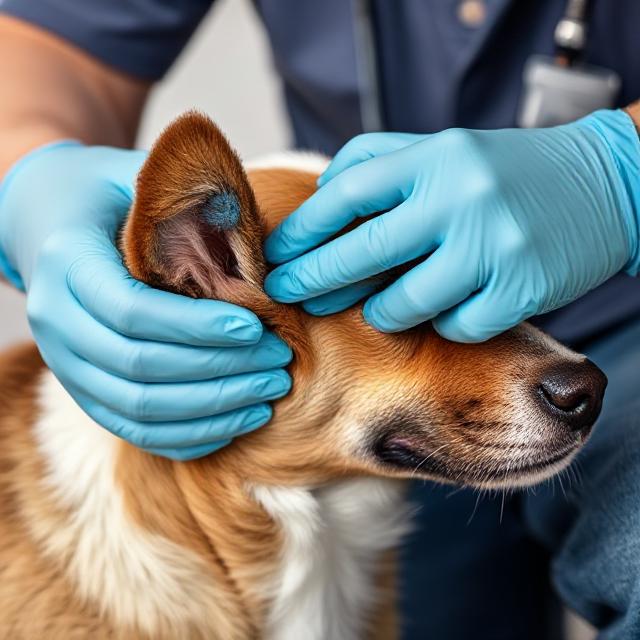
Potential flea infestations often reveal themselves through noticeable signs. Dogs may exhibit excessive scratching or biting at their skin, indicating discomfort. A closer examination may reveal tiny dark specks—flea feces—along with the presence of actual fleas scuttling across the dog’s fur. These fleas are notoriously quick and agile, making manual detection challenging. Employing a flea comb can be highly effective; this fine-toothed tool can help locate not only fleas but also their eggs and droppings, surgically removing them from your dog’s coat.
In addition to immediate discomfort, fleas can lead to serious health issues. Some pets may develop flea allergy dermatitis, a common allergic reaction that results in intense itching, redness, and inflammation. In severe cases, fleas can contribute to anemia, particularly in young or small animals, highlighting the importance of prompt intervention.
Fortunately, advancements in flea control products have made managing infestations much more efficient and safer for pets. Traditional remedies, which relied heavily on toxic chemicals, have been replaced by innovative solutions that target fleas at various stages in their life cycle. These products can typically be divided into three main categories: topical treatments (spot-ons), oral medications, and environmental sprays.
Topical treatments, including popular options like Frontline Plus and Advantage, involve applying a liquid solution at the base of the dog’s neck, providing a month-long barrier against fleas. Oral medications, such as Sentinel and Capstar, offer alternative forms of flea control that can be effective in systemic treatment. Additionally, environmental sprays can manage flea populations in the home and yard, ensuring that adult fleas and their hatchlings are targeted where they reside.
However, not all products are equally effective. Traditional flea collars have fallen out of favor due to their limited effectiveness. Similarly, treatments relying solely on a single insecticide, such as permethrin, are often ineffective due to emerging flea resistance. It is crucial for pet owners to choose multi-faceted solutions that address fleas comprehensively.
A Holistic Approach to Flea Management
To combat a flea infestation thoroughly, it is essential to adopt a holistic approach. If multiple pets inhabit the same household, it’s vital to treat each one concurrently to eliminate re-infestation avenues. Similarly, addressing the home environment cannot be overlooked. Thorough vacuuming of carpets, furniture, and any shaded areas—where fleas commonly hide—can significantly disrupt the flea life cycle.
Outdoor spaces are equally important. If a yard is suspected of being a flea breeding ground, treating it with appropriate insecticidal sprays that are safe for both pets and humans is necessary. This two-pronged approach—indoor and outdoor treatment combined with persistent management—ensures a flea-free living context for both dogs and their owners.
Fleas pose a tangible threat to canine companions, causing discomfort and potential health issues. However, by understanding their lifecycle, recognizing signs of an infestation, and employing modern, safe treatment options, pet owners can effectively mitigate flea-related problems. Establishing a regular flea control routine is fundamental to keeping pets both comfortable and healthy. When proactive measures are consistently applied, the goal of a flea-free home is within reach, allowing for a happier pet and owner alike.
Final Thoughts
Managing flea infestations in dogs requires vigilance, proper treatment, and long-term prevention strategies. From choosing the right flea control products to keeping your home environment clean, every step counts in safeguarding your pet’s health. Don’t wait until your dog is constantly scratching—take action at the first sign of fleas. Consult your vet for tailored treatment options, and stay consistent with your prevention routine to ensure your dog stays happy, healthy, and flea-free. Remember, the sooner you address a flea problem, the easier it is to control and eliminate.