
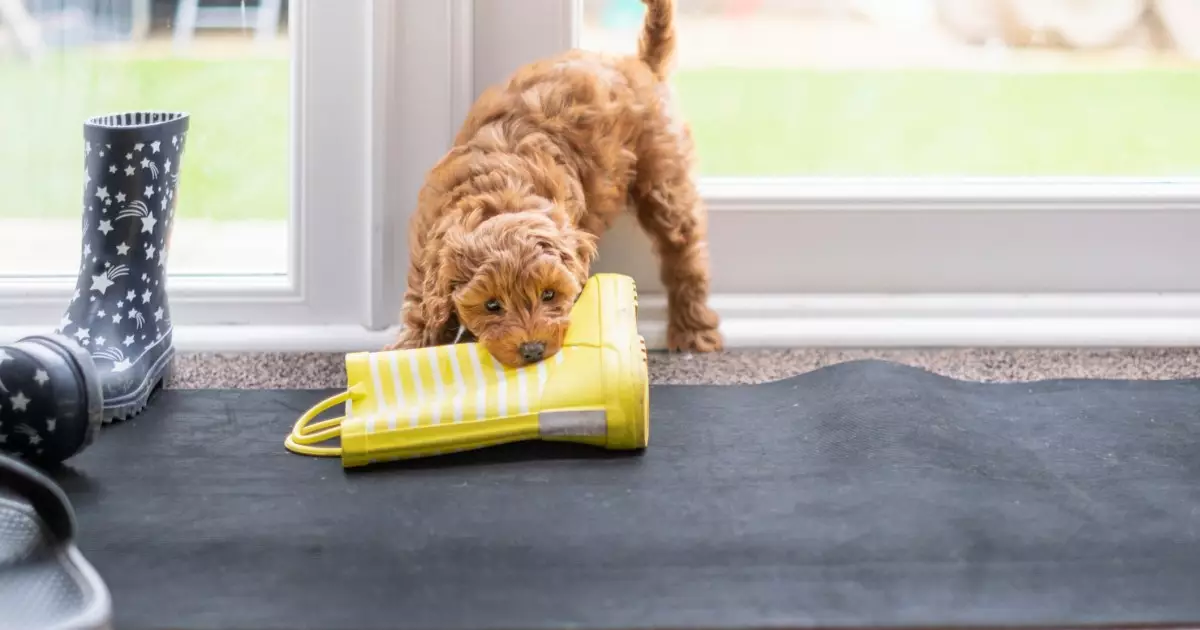
Curbing your puppy’s chewing habit starts with understanding why puppies chew in the first place—and responding in a way that supports their development rather than fighting it. Chewing is not bad behavior. It’s a normal, necessary part of puppyhood tied to teething, exploration, stress relief, and learning. The problem isn’t that puppies chew; it’s what they chew when they don’t yet know the rules of your home.
This guide explains exactly why puppies chew, when chewing becomes destructive, and how to redirect the behavior effectively using proven, humane strategies. If you’re dealing with chewed shoes, damaged furniture, or worries about safety, you’ll find clear, practical steps here that work in real homes with real puppies.
Why Puppies Chew (And Why It’s Normal)
Puppies explore the world with their mouths. Long before they understand human rules, chewing helps them gather information, relieve discomfort, and self-soothe.
The main reasons puppies chew
Teething discomfort
Puppies begin teething around 3–4 weeks and continue until about 6–7 months of age. Chewing relieves gum pain and pressure as adult teeth come in.
Exploration and learning
Chewing helps puppies understand texture, resistance, and cause-and-effect. It’s how they learn what’s interesting, fun, or rewarding.
Boredom and excess energy
A puppy with unmet physical or mental needs will often chew to entertain themselves.
Stress or over-arousal
New environments, separation from littermates, or overstimulation can trigger chewing as a coping mechanism.
Habit formation
If a puppy chews something once and finds it satisfying, they’re likely to repeat the behavior—especially if no alternative is offered.
Chewing itself is not the issue. Unmanaged chewing is.
When Chewing Becomes a Problem
Chewing crosses into problem territory when it:
-
Targets unsafe objects (cords, toxic items, sharp edges)
-
Causes damage to furniture or belongings
-
Becomes compulsive or stress-driven
-
Persists without redirection as the puppy matures
The goal is not to stop chewing entirely, but to teach your puppy what is appropriate to chew and what is not.
Step One: Create a Chew-Safe Environment
Before training even begins, management is essential. Puppies cannot make good choices if bad options are constantly available.
Puppy-proof your home
-
Remove shoes, clothing, and loose items from the floor
-
Secure electrical cords and power strips
-
Block access to furniture legs if needed
-
Use baby gates or playpens to limit unsupervised roaming
Think of this as setting your puppy up for success, not restricting them.
Designate a Puppy Zone
A controlled space helps your puppy learn faster.
A good puppy zone includes:
-
A comfortable bed or crate
-
Water access
-
A rotation of safe chew toys
-
Enough space to move and play
When you can’t supervise directly, this space prevents rehearsal of bad habits.
Choosing the Right Chew Toys (This Matters More Than You Think)
Not all chew toys are equal—and the wrong ones can actually increase destructive chewing.
What makes a good puppy chew toy
-
Soft enough for developing teeth
-
Durable but flexible
-
Sized appropriately (not a choking hazard)
-
Clearly different from household items
Effective chew toy categories
Rubber toys
Great for teething and long-lasting chewing. Some can be stuffed with food for added enrichment.
Textured teething toys
Help massage sore gums.
Edible chews (puppy-safe)
Use sparingly and under supervision.
Frozen options
Frozen rubber toys or puppy-safe frozen foods can soothe teething pain.
Avoid toys that closely resemble shoes, socks, or furniture textures—this blurs the line between “yours” and “theirs.”
Redirection: The Core Skill for Curbing Chewing
Redirection is the single most effective tool for managing puppy chewing.
How redirection works
When your puppy chews something inappropriate:
-
Interrupt calmly (no yelling)
-
Remove access to the item
-
Immediately offer an approved chew
-
Praise when they engage with it
Timing is critical. Redirection works best when done during the behavior, not after.
What Redirection Is Not
Redirection is not:
-
Chasing your puppy
-
Yelling or scolding
-
Taking items without replacement
-
Waiting until damage is done
Those responses increase stress and confusion rather than learning.
Teaching “Leave It” and “Drop It” Early
Basic cues are powerful tools for managing chewing.
Teaching “leave it”
This cue teaches your puppy not to engage with an item in the first place.
Start with:
-
Low-value items
-
High-value rewards
-
Short, positive sessions
Teaching “drop it”
This cue teaches safe release without conflict.
Never pry an item from your puppy’s mouth. Trading builds trust and prevents guarding behaviors later.
Why Punishment Backfires With Chewing
Punishing chewing behavior often:
-
Increases anxiety
-
Teaches puppies to chew in secret
-
Damages trust
-
Fails to teach alternatives
A puppy who is scolded for chewing doesn’t learn what to chew—only that humans are unpredictable.
Effective behavior change requires guidance, not fear.
Preventing Boredom-Based Chewing
Many chewing problems are really under-stimulation problems.
Physical exercise alone isn’t enough
Puppies also need mental work.
Effective mental enrichment includes:
-
Puzzle feeders
-
Short training sessions
-
Scent games
-
Interactive play
A mentally satisfied puppy is far less likely to chew destructively.
Matching Exercise to Age and Breed
Over-exercising a puppy can increase arousal rather than reduce it.
Balance:
-
Short, frequent play sessions
-
Age-appropriate walks
-
Calm activities after excitement
A tired puppy is good. An overstimulated puppy is not.
Managing Chewing During Teething Peaks
Teething discomfort peaks between 4–6 months for most puppies.
Extra support during this phase
-
Rotate chew toys daily to maintain novelty
-
Use frozen toys for gum relief
-
Increase supervision temporarily
-
Expect setbacks—they’re normal
Teething phases pass, but habits formed during them can last.
Nighttime Chewing and Crate Training
Many puppies chew most intensely in the evening.
This often coincides with:
-
Fatigue
-
Reduced supervision
-
Over-arousal
Helpful strategies
-
Provide a calm chew before bedtime
-
Avoid high-energy play late at night
-
Use a crate or pen for safety
-
Keep nighttime routines predictable
Crates should always be associated with comfort, not confinement as punishment.
What to Do If Your Puppy Chews When Alone
Chewing during alone time may indicate:
-
Boredom
-
Anxiety
-
Lack of preparation for separation
Reduce alone-time chewing by:
-
Practicing short departures
-
Leaving safe chew items only
-
Avoiding emotional goodbyes
-
Gradually increasing alone duration
If chewing escalates into panic behaviors, consult a professional.
Common Chewing Mistakes to Avoid
Even well-meaning owners make mistakes that slow progress.
Avoid:
-
Leaving tempting items accessible
-
Inconsistent rules
-
Giving too many toys at once
-
Reacting emotionally
-
Expecting instant results
Consistency—not perfection—is what drives success.
How Long Does It Take to Curb a Puppy’s Chewing Habit?
There is no fixed timeline.
Most puppies:
-
Improve significantly by 6–9 months
-
Continue occasional chewing into adolescence
-
Fully mature out of destructive chewing with guidance
Progress depends on:
-
Supervision
-
Redirection consistency
-
Enrichment
-
Individual temperament
Chewing doesn’t stop overnight—but it does improve with structure.
When Chewing May Signal a Bigger Issue
Occasionally, chewing is a symptom of something more.
Consult a professional if chewing:
-
Is sudden and intense
-
Occurs with anxiety signs
-
Leads to self-injury
-
Persists despite management
-
Is paired with vocalization or pacing
Veterinary or behavior support may be needed.
Frequently Asked Questions About Puppy Chewing
Is chewing normal for all puppies?
Yes. Chewing is a universal developmental behavior.
Should I spray bitter deterrents on furniture?
They can help temporarily, but they don’t teach alternatives. Use alongside redirection, not alone.
Can I give my puppy old shoes to chew?
No. This teaches that shoes are acceptable chew items—new ones won’t be distinguished.
Will my puppy grow out of chewing?
Most do, but only if guided properly. Unmanaged chewing can become a long-term habit.
Is chewing a sign my puppy is unhappy?
Not necessarily. It’s usually a sign of normal development, boredom, or teething.
Final Thoughts: Chewing Is a Phase—Guidance Makes the Difference
Curbing your puppy’s chewing habit isn’t about stopping a behavior—it’s about shaping it. Puppies chew because they’re growing, learning, and adapting to a new world. When you provide structure, safe outlets, and consistent guidance, chewing becomes manageable rather than destructive.
The effort you invest now pays off later in a dog who understands boundaries, feels secure, and knows how to self-soothe appropriately. With patience and clarity, chewing becomes just another stage you successfully navigated together.
