
The Ultimate Guide to Hiking With Your Dog: Essential Tips, Safety, and Gear for a Successful Adventure
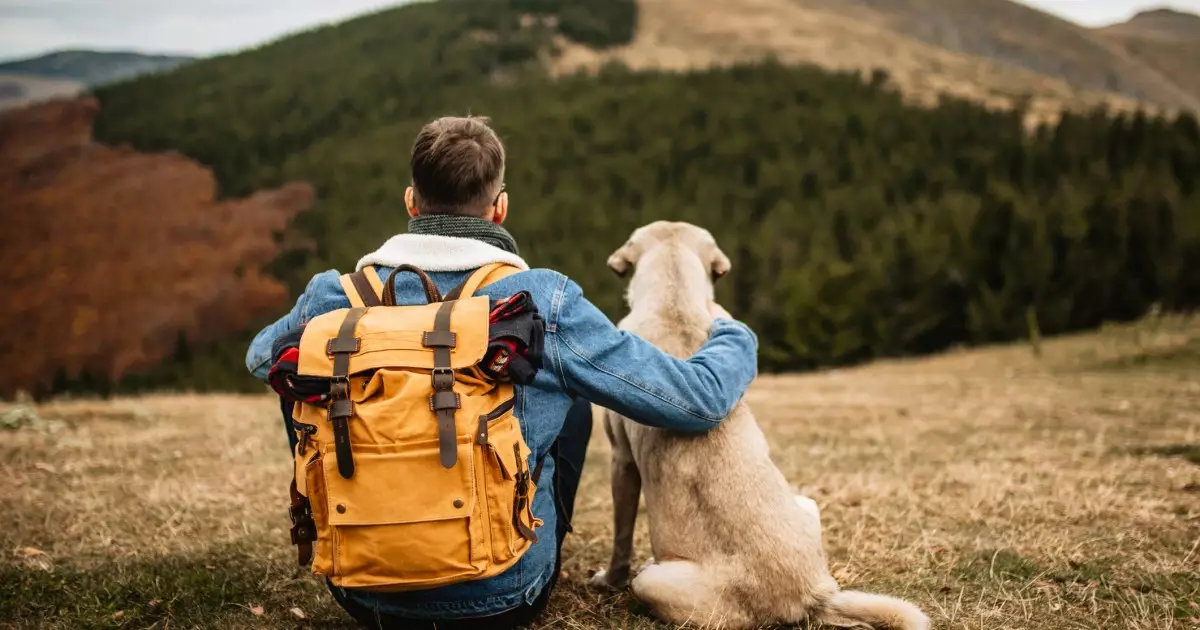
Hiking with your dog is one of the most rewarding ways to explore the outdoors while strengthening the bond you share. Few experiences compare to watching your dog confidently trot down a forest trail, ears perked, nose working, fully immersed in nature alongside you. But a successful hike doesn’t happen by accident. It requires thoughtful preparation, realistic expectations, and the right gear to keep both you and your dog safe, comfortable, and happy.
This complete guide covers everything you need to know before hitting the trail with your dog — from health readiness and training to essential hiking gear, safety precautions, and practical trail etiquette.
Why Hiking With Your Dog Is So Beneficial
Hiking offers powerful physical and mental benefits for both humans and dogs. For people, it improves cardiovascular health, builds endurance, reduces stress, and provides a mental reset away from screens and noise. For dogs, hiking satisfies deeply rooted instincts to explore, move, and problem-solve.
Benefits of hiking for dogs include:
- Improved cardiovascular fitness
- Stronger muscles and joints
- Mental stimulation from new sights and smells
- Reduced boredom-related behaviors
- Better emotional balance
- Strengthened bond with their owner
Dogs were designed to move. Hiking allows them to engage their senses and burn energy in a natural, fulfilling way that neighborhood walks often cannot replicate.
Is Your Dog Ready for Hiking?
Before planning your first trail adventure, it’s important to evaluate whether your dog is physically and mentally prepared.
Talk to Your Veterinarian First
A vet check is especially important if your dog:
- Is under one year old
- Is a senior
- Has joint, heart, or respiratory conditions
- Is overweight
- Has a short muzzle (brachycephalic breeds)
Your vet can help determine safe distances, terrain limits, and any precautions specific to your dog.
Consider Your Dog’s Breed, Age, and Energy Level
Not all dogs are built for long or rugged hikes. Some thrive on endurance activities, while others prefer shorter outings.
Dogs that often enjoy hiking:
- Sporting breeds
- Herding breeds
- Working breeds
- High-energy mixed breeds
Dogs that may need shorter or gentler hikes:
- Brachycephalic breeds
- Toy breeds
- Senior dogs
- Dogs with arthritis or mobility issues
Every dog is an individual. Start small and observe how your dog responds before increasing distance or difficulty.
Start Slow and Build Endurance Gradually
Even athletic dogs need time to build trail fitness. Begin with short, easy hikes and gradually increase distance and elevation.
A good progression:
- Start with 1–2 mile walks
- Increase by 10–20% weekly
- Watch for fatigue or soreness
- Rest between hikes
Signs your dog may be overexerted include lagging behind, excessive panting, limping, or reluctance to continue.
Essential Gear for Hiking With Your Dog
Proper gear can make the difference between a stressful outing and an enjoyable adventure.
1. A Secure, Well-Fitted Harness
A harness offers better control than a collar and reduces strain on your dog’s neck. Look for:
- Adjustable straps
- Padded chest support
- Escape-resistant design
- Reflective trim
Harnesses also make it easier to help your dog over obstacles.
2. A Sturdy, Short Leash
A leash between 4–6 feet provides control and prevents entanglement. Avoid retractable leashes on trails, as they can cause accidents or disturb wildlife.
Choose a leash that is:
- Durable
- Comfortable to grip
- Reflective for visibility
Hands-free waist leashes can be useful but require good leash manners.
3. Identification and Microchip
Always ensure your dog wears:
- A collar with ID tags
- Updated contact information
Microchipping adds a permanent layer of protection if your dog becomes separated.
4. Food, Treats, and Hydration
Hydration is critical when hiking with your dog.
Bring:
- Plenty of fresh water
- A collapsible travel bowl
- Extra water in hot or dry conditions
Dogs should never drink from stagnant water sources, which may contain parasites or bacteria.
For longer hikes, pack:
- High-protein treats
- A portion of regular food
- Training rewards
Offer small amounts during breaks to maintain energy.
5. Canine First Aid Kit
A dog-specific first aid kit should include:
- Antiseptic wipes
- Gauze and wrap
- Tweezers (for ticks or splinters)
- Paw balm
- Styptic powder
- Emergency contact numbers
Knowing basic canine first aid can make a critical difference on the trail.
6. Paw Protection and Weather Gear
Trail surfaces can be rough, hot, icy, or sharp.
Consider:
- Dog booties for rocky or snowy terrain
- Paw wax for protection
- Lightweight dog rain jacket
- Insulated coat for cold conditions
Always check paw pads during and after hikes.
7. Optional Dog Backpack
Some dogs enjoy carrying a backpack with their own supplies. If used properly:
- Load should not exceed 10–15% of body weight
- Weight should be evenly balanced
- Introduce it gradually
Never overload or force a dog to carry gear.
Trail Safety Tips When Hiking With Your Dog
Keep Your Dog Leashed
Even well-trained dogs should remain leashed unless explicitly permitted. Leashes help:
- Protect wildlife
- Prevent accidents
- Avoid confrontations
- Maintain trail etiquette
Always check local leash laws before hiking.
Watch for Wildlife and Plants
Be alert for:
- Snakes
- Porcupines
- Ticks
- Poisonous plants
- Sharp rocks
Keep your dog close in unfamiliar environments.
Know the Signs of Overheating
Dogs don’t sweat like humans. Signs of overheating include:
- Excessive panting
- Drooling
- Lethargy
- Disorientation
- Vomiting
If you notice symptoms, stop immediately, find shade, and offer water.
Trail Etiquette When Hiking With Your Dog
Responsible behavior ensures trails remain dog-friendly.
Follow these basic rules:
- Yield to other hikers
- Step aside when passing
- Keep your dog under control
- Pick up and pack out waste
- Respect wildlife and plants
Always be courteous to other trail users.
Training Skills That Make Hiking Easier
Before heading out, your dog should reliably know:
- Come
- Sit
- Stay
- Leave it
- Heel
These commands improve safety and help manage unexpected situations.
Mental Stimulation on the Trail
Hiking isn’t just physical — it’s mentally enriching.
Encourage your dog to:
- Sniff and explore
- Navigate obstacles
- Practice commands in new environments
Mental engagement prevents boredom and deepens focus.
Weather Considerations for Hiking With Your Dog
Hot Weather
- Hike early or late
- Avoid hot pavement
- Carry extra water
- Take frequent breaks
Cold Weather
- Protect short-haired dogs
- Watch for ice buildup
- Limit exposure in extreme cold
Rainy Conditions
- Use waterproof gear
- Dry your dog thoroughly afterward
Always adjust your plan to the conditions.
After the Hike: Recovery and Care
Post-hike care helps prevent soreness or injury.
After each hike:
- Check paws for cuts or debris
- Brush off dirt or ticks
- Provide fresh water
- Allow rest time
- Monitor behavior over the next 24 hours
Proper recovery supports long-term hiking health.
Frequently Asked Questions
Can all dogs go hiking?
Most dogs can hike at some level, but distance and terrain should match their health and abilities.
How far can a dog hike?
It varies by breed, age, and conditioning. Some dogs handle several miles, while others do best with short walks.
Should I let my dog swim during hikes?
Only in safe, clean water and if your dog is a confident swimmer.
Are dog backpacks safe?
Yes, when properly fitted and lightly loaded.
What if my dog gets injured on the trail?
Carry a basic first aid kit and seek veterinary care as soon as possible.
Final Thoughts: Making Hiking With Your Dog a Lifelong Joy
Hiking with your dog is more than exercise — it’s shared adventure, teamwork, and connection. With thoughtful preparation, proper gear, and awareness of your dog’s limits, you can enjoy countless safe and fulfilling trail experiences together.
By respecting your dog’s needs and the environment around you, hiking becomes a meaningful ritual that strengthens trust, health, and companionship. Whether you’re exploring local trails or tackling new terrain, every hike is an opportunity to deepen your bond and create memories that last a lifetime.
