
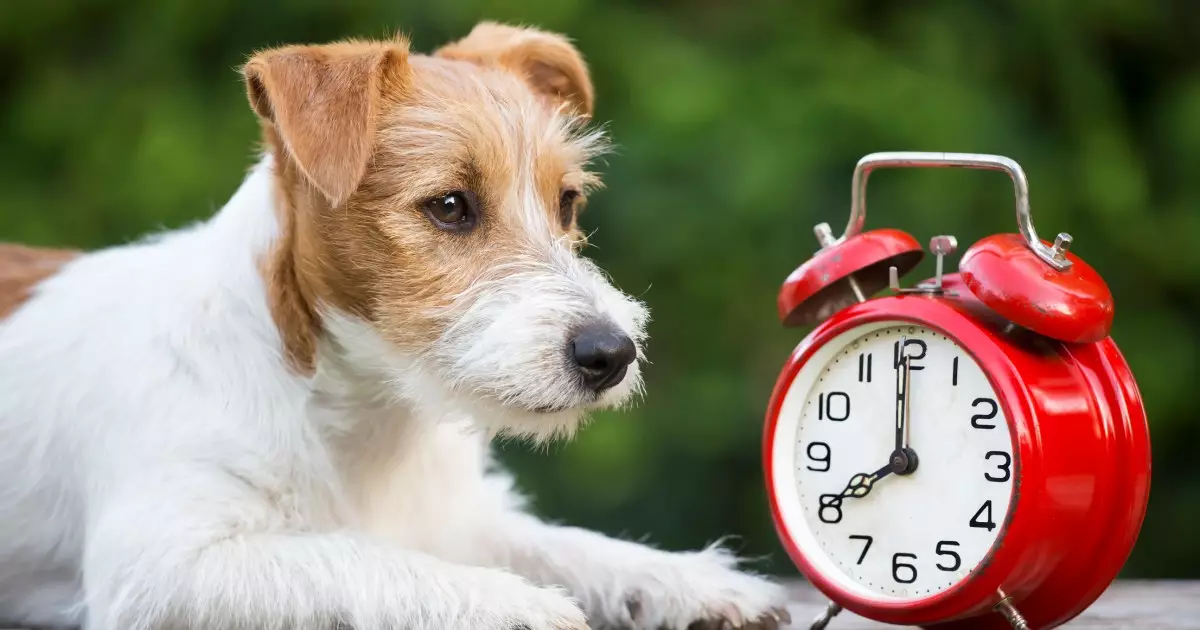
As evening approaches on November 3, 2024, the clock will roll back at 2:00 a.m. for the end of Daylight Saving Time—a moment cherished by many for the gift of an extra hour. While humans might utilize this time to recover lost sleep or indulge in leisurely mornings, the implications for our canine companions can be quite different. Dogs and Daylight Saving Time don’t always mix smoothly. Unlike their human counterparts, dogs do not rely on the ticking hands of a clock to structure their day. Instead, they are governed by their internal biological clocks, or circadian rhythms, which dictate their eating, sleeping, and bathroom routines. This divergence in timekeeping can lead to confusion and anxiety for pets, particularly during significant schedule shifts such as the end of Daylight Saving Time.
Morning Potty Routines and Time Change Challenges
Most dogs have a well-established morning routine that necessitates a timely potty break first thing in the morning. With the clock change, however, pet owners can inadvertently disrupt this well-rehearsed schedule. If you are inclined to sleep in after the time shift, your furry friend might remain oblivious to the extra hour and expect their usual morning care. As they wait by your bedside, the urgency of their needs might escalate, leading to a potential accident inside the house. It is crucial for dog owners to recognize this dynamic and adjust their schedules accordingly. Being proactive about dogs and Daylight Saving Time adjustments can make mornings smoother for everyone.
Preparing Your Dog’s Schedule in Advance
To help your pup acclimate, consider gradually shifting their routine prior to the time change. Incremental adjustments of 15-30 minutes over the weeks leading up to November 3 can ease this transition and can prevent mishaps—no one wants to contend with a soiled rug during a rushed morning! These gradual changes are especially effective for easing the transition for dogs and Daylight Saving Time.
Feeding Schedules and Behavioral Responses
Feeding times, too, fall victim to the clock change. If your dog is accustomed to an established mealtime, an hour’s delay can prompt confusion and agitation. Expect your canine friend to express their discomfort through pleading looks and relentless begging—an inevitable display of their dismay over delayed meals. In some cases, frustrated pets may resort to undesirable behaviors, such as rummaging through the trash or demolishing furniture. Managing dogs and Daylight Saving Time well means preparing for these feeding shifts in advance.
Easing the Feeding Transition Gradually
To mitigate these effects, consider making similar incremental changes to their feeding schedule in the weeks leading up to the time transition. Small adjustments ensure that mealtimes remain consistent in your dog’s mind, reducing feelings of hunger and anxiety.
Coping with Evening Routine Disruptions and Separation Anxiety
Dogs thrive on routine and connection with their human guardians. When you leave for work, your dog expects your return at a certain hour, generally coinciding with daylight. However, after the time shift, your return could be an hour later than anticipated, potentially plunging your dog into confusion or anxiety, especially when darkness envelops the home.
Separation anxiety can escalate during such transitions, leading to stress-induced behaviors, including chewing objects deemed inappropriate or, in some cases, accidents. A cruel byproduct of dogs and Daylight Saving Time misalignment—the supposed benefit of an extra hour—may leave your dog feeling more unsettled than before.
Practical Ways to Minimize Disruption
Understanding your dog’s needs is paramount in alleviating any anxiety during this period of change. As the time switch approaches, start gradually altering your routines. For instance, consider pushing back your morning walks bit by bit. When your pup practices their new routine, the transition will be less jarring.
Additionally, if you can manage flexible working hours, consider beginning your workday earlier and wrapping up sooner to ease your dog’s apprehension about your extended absences post time-change.
Adjusting Routines from Home
For pet owners working from home, take advantage of your setup to fine-tune feeding and walking schedules. This adaptability can ensure your dog experiences a smoother adjustment to the time change. Remember that your pup relies on your guidance and comfort during periods of uncertainty, so offering extra affection and reassurance can nurture their emotional well-being.
Final Thoughts on Supporting Your Dog During the Time Change
As Daylight Saving Time approaches, don’t just reclaim that elusive hour of sleep—be proactive in making the transition seamless for your dog. Recognizing your pet’s needs and addressing routine disruptions with thoughtful adjustments will not only reduce anxiety but also foster a sense of stability. Ultimately, dogs and Daylight Saving Time may not naturally sync, but with patience and care, you can transform this seasonal clock adjustment into a harmonious experience for both you and your furry friend.
