
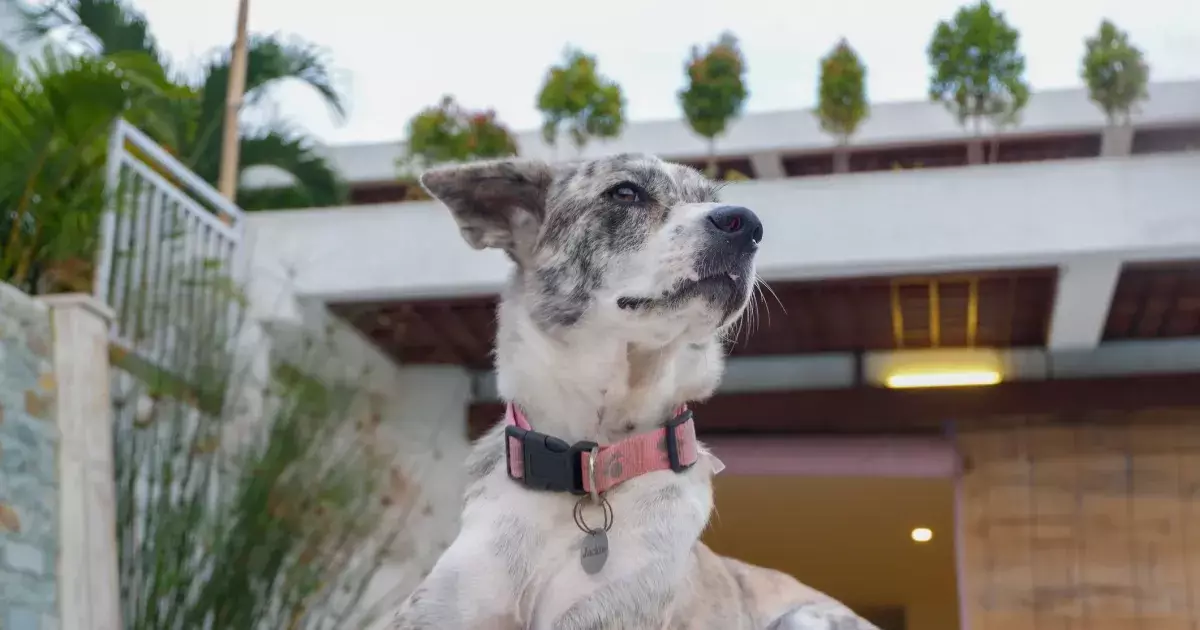
Embracing a New Canine Companion: A Thoughtful Guide to Inheriting a Dog
Inheriting a dog is a deeply emotional experience that blends grief, responsibility, and the opportunity to offer continuity and care to an animal who has already known love. Whether the dog belonged to a family member, close friend, or someone whose passing left you as their next guardian, stepping into this role requires more than goodwill. It calls for preparation, patience, and an understanding of how dogs process change.
This guide walks you through everything you need to know when inheriting a dog — from practical logistics and emotional considerations to building trust, establishing routines, and creating a stable long-term home. The goal is to help both you and the dog transition with confidence and compassion.
Understanding What It Means to Inherit a Dog
Inheriting a dog is different from adopting one by choice. Often, the decision comes suddenly, layered with emotion, and tied to the memory of someone you cared about. At the same time, the dog may be experiencing confusion, grief, or anxiety after losing their primary caregiver.
This makes the transition uniquely sensitive.
Dogs form strong attachments to people, routines, and environments. When those disappear, they may show behavioral or emotional changes such as:
- Withdrawal or sadness
- Increased clinginess
- Changes in appetite
- Restlessness or pacing
- Regression in training
- Vocalization
- Anxiety-related behaviors
Recognizing that these responses are normal helps you approach the situation with empathy rather than frustration.
First Things First: Gather Essential Information
Before making changes, take time to understand the dog’s existing life structure. Stability is your most powerful tool during the early transition.
If possible, speak with family members, caregivers, or anyone familiar with the dog’s routine. Important details to collect include:
Daily Care and Routine
- Feeding times and portion sizes
- Type and brand of food
- Treat preferences
- Water habits
- Walk schedule
- Bathroom routine
Sudden changes in diet or timing can cause digestive upset or stress, so maintaining familiarity early on is essential.
Training and Commands
- Commands the dog already knows
- Hand signals or verbal cues used
- House rules they were accustomed to
- Leash behavior expectations
Consistency helps prevent confusion and reinforces trust.
Personality and Preferences
- Favorite toys or comfort items
- Activity level
- Social comfort with strangers or other dogs
- Sensitivity to noise or new environments
- Likes and dislikes
These details help you tailor your approach to the dog’s emotional needs.
Medical History
Make every effort to obtain:
- Veterinary records
- Vaccination history
- Medication details
- Chronic conditions
- Allergies
- Microchip information
If records are unavailable, schedule a veterinary visit as soon as possible to establish baseline health.
Preparing Your Home Before the Dog Arrives
A smooth transition starts with a safe, predictable environment. Preparing your home ahead of time reduces stress for both you and the dog.
Dog-Proof Your Space
Remove or secure:
- Toxic plants
- Cleaning products
- Loose cords
- Small objects that could be swallowed
- Food left within reach
This step is especially important if the dog’s habits or curiosity level are unknown.
Create a Dedicated Safe Area
Set up a quiet, comfortable space where the dog can decompress. This might include:
- A bed or crate
- Familiar-smelling items (if available)
- Food and water bowls
- A few toys
This area should feel calm and predictable, giving the dog a sense of ownership and safety.
The First Days Together: Go Slowly
The initial days after inheriting a dog set the tone for your relationship. Avoid overwhelming them with new people, places, or expectations.
Keep the Routine Familiar
As much as possible, stick to the dog’s previous schedule during the first few weeks. Familiar rhythms provide emotional grounding during a time of upheaval.
Limit Stimulation
Avoid introducing:
- Large gatherings
- Dog parks
- Long trips
- Major schedule changes
Allow the dog time to observe, adjust, and feel secure.
Let the Dog Approach You
Some dogs seek immediate comfort; others need space. Respect their pace. Allow bonding to develop naturally through quiet presence rather than forced interaction.
Veterinary Care: Establishing a Health Baseline
A veterinary visit should be scheduled soon after the dog comes into your care. This serves several important purposes:
- Confirms overall health
- Updates vaccinations
- Screens for age-related or stress-related conditions
- Establishes a new veterinary relationship
- Provides dietary guidance
If the dog is elderly or has known medical needs, your veterinarian can help you plan supportive care and realistic expectations.
Understanding Emotional Adjustment and Grief in Dogs
Dogs can experience grief in ways that mirror human emotion. Losing a familiar person can disrupt their sense of safety.
Common signs of canine grief include:
- Loss of appetite
- Reduced interest in play
- Sleeping more than usual
- Vocalizing
- Following you closely
- Withdrawal
These behaviors often improve with time, consistency, and gentle reassurance.
Patience is essential. Avoid interpreting emotional withdrawal as disobedience or stubbornness.
Building Trust Through Routine and Consistency
Trust grows from predictability. Dogs thrive when they know what to expect.
Helpful strategies include:
- Feeding at the same times daily
- Walking on a consistent schedule
- Using consistent cues and tone
- Offering praise and gentle reinforcement
- Keeping rules clear and stable
Structure communicates safety. Over time, this reliability allows the dog to relax and engage more fully.
Training: Maintaining Familiarity While Building New Skills
If the dog already has training, reinforce what they know before introducing changes. Once settled, you can gradually adapt training to your preferences.
Use Positive Reinforcement
Reward-based training builds confidence and strengthens your bond. Focus on:
- Treats
- Praise
- Toys
- Calm encouragement
Avoid punishment-based methods, especially during the adjustment period.
Introduce New Expectations Slowly
If your household routines differ, make gradual adjustments. For example:
- Shift feeding times by small increments
- Add new cues alongside old ones
- Introduce new rules one at a time
Consistency over time matters more than speed.
Introducing Other Pets Safely
If you already have pets, introductions should be slow and intentional.
Best practices include:
- Initial scent exchanges before face-to-face meetings
- Separate feeding areas
- Neutral introduction spaces
- Short, supervised interactions
- Gradual increases in shared time
Watch body language closely and intervene early if tension arises.
Integration can take days or weeks depending on personalities. Patience prevents long-term conflict.
Helping Your Dog Feel at Home
Once the initial transition period passes, focus on building positive daily experiences.
Ways to strengthen your bond include:
- Daily walks or quiet outdoor time
- Gentle play sessions
- Training games
- Cuddling (if the dog enjoys it)
- Talking calmly and consistently
These moments reinforce safety and attachment.
When Behavioral Challenges Arise
Some dogs may display behavior changes after a major transition. Common challenges include:
- Separation anxiety
- House-training regression
- Barking or whining
- Destructive behavior
- Withdrawal
If issues persist beyond a reasonable adjustment period, consult a professional dog trainer or behaviorist. Early guidance can prevent patterns from becoming ingrained.
Honoring the Previous Owner’s Legacy
For many people, inheriting a dog carries emotional significance. You may feel pressure to “do things right” or live up to the previous owner’s love.
Honoring that legacy doesn’t mean copying everything exactly. It means offering care, safety, and compassion while building your own relationship with the dog.
Some people find comfort in:
- Keeping a favorite toy or blanket
- Maintaining certain rituals
- Sharing stories about the dog’s past
- Preserving photos or mementos
These gestures help bridge the past and present in a meaningful way.
Legal and Practical Considerations
Depending on the circumstances, you may need to address:
- Ownership documentation
- Microchip registration updates
- Licensing requirements
- Pet insurance adjustments
- Estate-related paperwork
Handling these details early prevents complications later.
When You’re Unsure You Can Commit Long-Term
Sometimes, inheriting a dog happens unexpectedly, and long-term care may not be feasible. If you’re unable to provide lifelong care, it’s important to act responsibly.
Consider:
- Trusted family or friends
- Breed-specific rescue organizations
- Reputable shelters that screen adopters
Making a thoughtful rehoming plan is an act of care, not failure.
Frequently Asked Questions
What does it mean to inherit a dog?
Inheriting a dog means assuming responsibility for a pet after the original owner can no longer care for them, often due to illness or death.
How long does it take for an inherited dog to adjust?
Adjustment can take weeks or months, depending on the dog’s temperament, age, and previous bond.
Should I keep the dog’s old routine?
Yes, at first. Familiar routines help reduce anxiety and provide stability.
What if the dog seems depressed?
Mild grief is common. Offer consistency, gentle interaction, and patience. Consult a veterinarian if symptoms persist.
Can older dogs adjust to new homes?
Yes. Many senior dogs adapt beautifully when given time, structure, and affection.
Final Thoughts: A Commitment Rooted in Compassion
Inheriting a dog is not simply taking on a pet — it’s accepting a living connection to someone else’s life and love. With patience, understanding, and care, you can provide stability during a confusing time and build a new chapter rooted in trust.
Every small effort you make — maintaining routines, offering kindness, respecting boundaries — helps your new companion heal and thrive. Over time, what begins as responsibility often becomes a deeply meaningful bond, filled with quiet loyalty, shared routines, and mutual comfort.
When approached thoughtfully, inheriting a dog becomes not just an act of care, but a continuation of love.
