
Teaching your dog new tricks can be an exciting and rewarding journey that can strengthen the bond between you and your canine companion. Although January, with its designation as National Train Your Dog Month, serves as a wonderful reminder for dog owners to engage in training, the truth is that you can (and should) teach your dog tricks throughout the year. The process may seem daunting at first, but with the right approach, patience, and consistency, it is entirely possible to teach your dog a range of tricks, even if they seem simple.
If you’re struggling to kick-start your dog training journey, don’t worry! The first step is determining which tricks you’d like to teach your furry friend. These can range from simple tasks like “sit” and “shake hands” to more advanced maneuvers like “roll over” or “play dead.” Utilizing online video tutorials can provide you with helpful techniques and visual demonstrations to make the process clearer. Scouring platforms like YouTube can help you find step-by-step guides tailored to various skill levels.
Establish your training routine by setting aside a few minutes each day. Dogs respond well to short, focused training sessions that are fun and engaging. Ending each session on a high note will reinforce a positive training atmosphere. Incorporating treats, praise, and petting as forms of positive reinforcement will encourage your dog to repeat the desired behaviors. Consistency in your training approach is essential; ensure that everyone in your household follows the same commands and reinforcement techniques to avoid confusion.
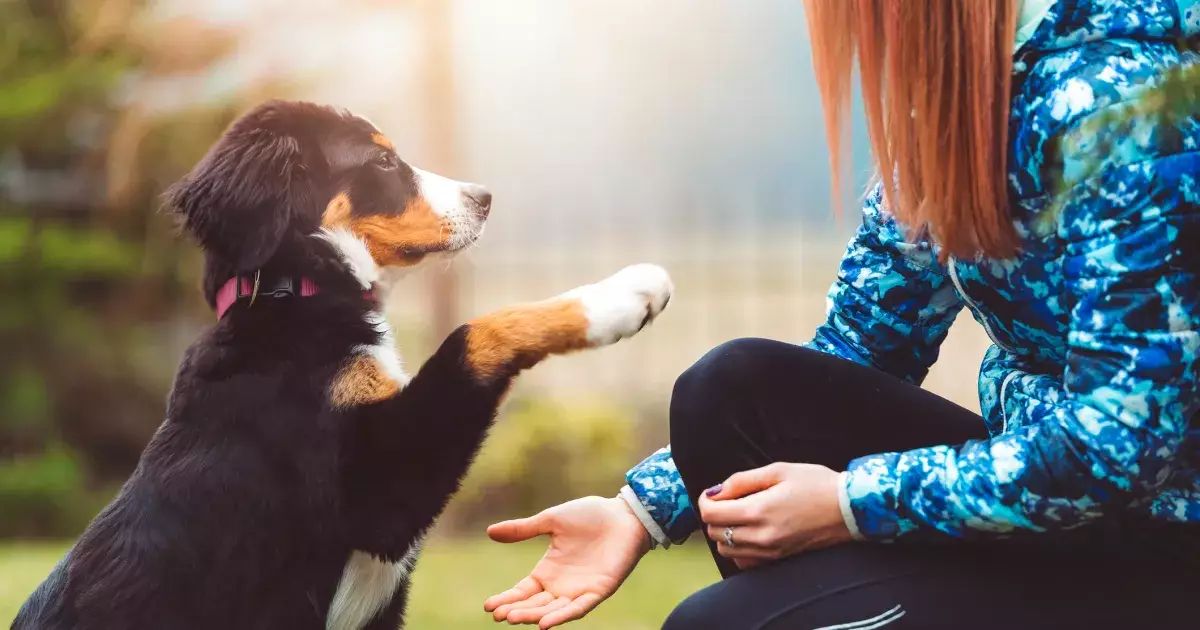
One of the easiest and most charming tricks to teach your dog is the “shake hands” command. This trick capitalizes on your dog’s natural instinct to paw at you, especially when treats are involved. To initiate training, hold a closed fist of treats and encourage your dog to paw at your hand. Once they naturally start doing this, introduce the command “shake” and reward them with treats when they comply. Repetition is key, and your dog will soon master this endearing trick!
Another fun trick is fetching. However, some dogs may require motivation to engage with a toy or bring it back effectively. To address this, slowly introduce fetch by using high-value toys and demonstrating the action yourself. By showing excitement when your dog engages with the toy, you’re more likely to encourage them to partake in the game. Remember, patience is crucial; some dogs might take longer than others to grasp the concept of fetch.
Once your dog has mastered some fundamental tricks, you can introduce more advanced skills. “Roll over” may seem like a complex trick, but in reality, it’s manageable if approached in steps. Break down the trick into three parts: first, teach your dog to lie down, then roll onto their side, and finally complete the roll over to the other side. Each successful movement should be rewarded, gradually helping your dog understand the entire sequence.
“Play dead” is another classic trick that’s great for impressing your friends and family. This trick requires a bit more time and effort than some simpler commands, but using a backwards-learning method (starting with your dog lying down) can make it simpler. Just like with other tricks, be sure to reward your dog with treats for each correct step they achieve along the way.
As you engage in this training process, it’s important to remember that learning new tricks should be a fun experience for both you and your dog. Celebrate small successes and create a positive environment that encourages your dog to learn. It’s crucial to ensure that the tricks you are teaching suit your dog’s physical condition—some tricks, like “sit pretty,” may not be suitable for dogs with joint issues.
Lastly, consider incorporating social elements into the training experience. If your dog enjoys meeting other dogs, you might be able to enlist the help of friends or neighbors to join in the trick training. This not only adds variety but can also keep motivation high, as dogs often respond well to peer interactions.
Training your dog to perform tricks is not just about the end results; it’s also about forging an enduring connection with your pet and fostering a sense of accomplishment. The journey will be filled with ups and downs, but through patience, encouragement, and lots of treats, you’ll find that both you and your dog can reap the rewards of learning something new together. So gather your treats, clear some space, and start this exciting adventure today!
