
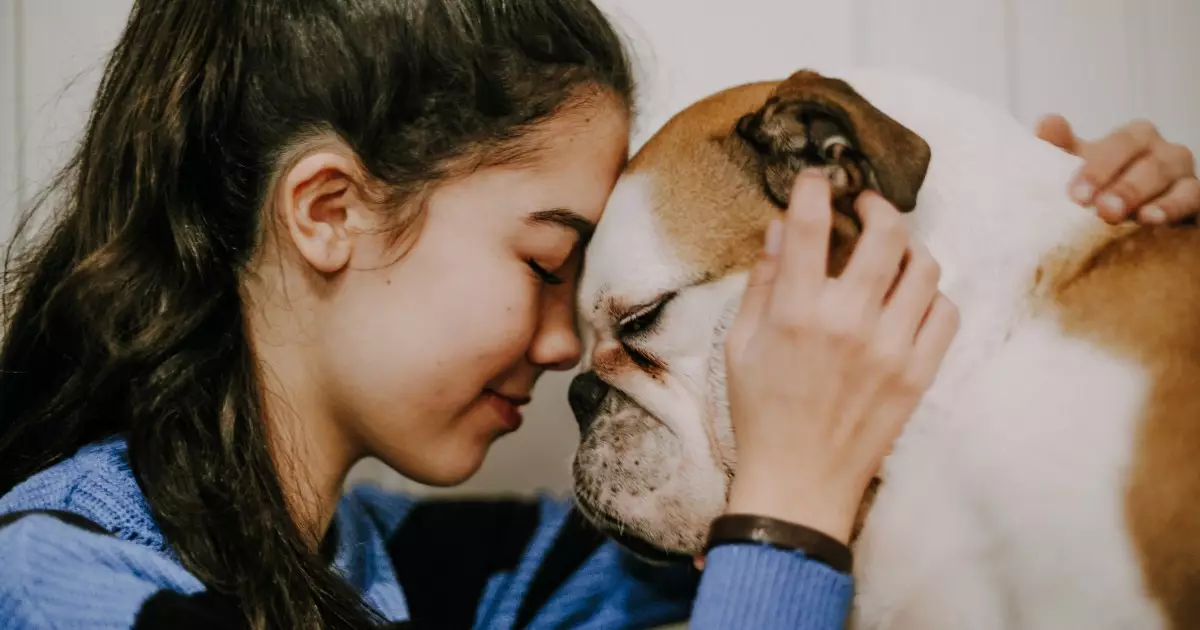
How to show your dog you love them isn’t about more treats, bigger toys, or constant cuddling—it’s about communicating in ways your dog’s brain and body are wired to understand. Dogs don’t experience love through human language or logic. They experience it through safety, consistency, touch, tone, shared activity, and trust. When those needs are met, dogs don’t just feel cared for—they feel secure, bonded, and deeply connected.
This guide explains exactly how dogs perceive affection, why some common “loving” behaviors miss the mark, and what actually strengthens the bond between you and your dog over time. Every strategy here is grounded in canine behavior science and real-world experience, not sentimentality.
How Dogs Experience Love (And Why It’s Different From Humans)
Dogs are social mammals with brains shaped by thousands of years of cooperation with humans. But they don’t interpret love symbolically. They interpret it physiologically and behaviorally.
To a dog, love feels like:
-
Predictability
-
Calm leadership
-
Physical safety
-
Emotional attunement
-
Positive association
When you consistently meet those needs, your dog’s nervous system relaxes. That relaxed state is the foundation of attachment.
1. Use Physical Affection the Way Dogs Prefer
Touch matters—but how you touch matters more than how often.
Where dogs usually enjoy being petted
-
Chest
-
Shoulders
-
Side of the neck
-
Behind the ears
-
Along the back (slow, steady strokes)
These areas are less threatening and more soothing than face-to-face contact.
Touch dogs often dislike (even if they tolerate it)
-
Tight hugs
-
Hands over the head
-
Face-to-face leaning
-
Restraining cuddles
Many dogs freeze during hugs—not because they enjoy them, but because they’re coping. Love means choosing comfort over human preference.
Rule of thumb: If your dog leans in, stays relaxed, or seeks more contact, you’re doing it right. If they stiffen, turn away, or lick their lips repeatedly, stop.
2. Speak With Intention: Tone Matters as Much as Words
Dogs don’t just hear what you say—they process how you say it.
They are highly sensitive to:
-
Pitch
-
Rhythm
-
Emotional tone
A calm, warm voice lowers stress hormones. Sharp or inconsistent tones—even without harsh words—can increase anxiety.
How to use your voice to show love
-
Use a steady, upbeat tone for praise
-
Keep corrections neutral and brief
-
Avoid yelling, even when frustrated
-
Pair verbal praise with touch or eye contact
Dogs associate your voice with emotional outcomes. Make yours a signal of safety.
3. Make Mealtimes a Relationship, Not Just a Routine
Food is biologically meaningful to dogs. How you handle feeding shapes trust.
Simple ways to build connection around food
-
Ask for a simple cue before meals (sit, eye contact)
-
Occasionally hand-feed part of a meal
-
Use food during calm training moments
-
Avoid using food as a bribe to stop anxiety
This reinforces cooperation and strengthens positive association without creating dependency.
Important note: If your dog shows food guarding or anxiety, consult a professional before changing feeding methods.
4. Train With Kindness, Not Control
Training is one of the most powerful ways to show love—when it’s done correctly.
Dogs thrive when:
-
Expectations are clear
-
Feedback is consistent
-
Success is rewarded
-
Mistakes are information, not punishment
Training tells your dog, “I will guide you. You’re safe to try.”
Loving training principles
-
Reward desired behavior more than you correct mistakes
-
Keep sessions short and positive
-
End on success
-
Avoid intimidation or physical corrections
A dog who understands what earns praise feels confident. Confidence is a form of emotional security.
5. Respect Your Dog’s Boundaries (This Is Huge)
One of the clearest ways to show love to a dog is to listen when they say no.
Dogs communicate discomfort through subtle signals:
-
Turning their head away
-
Lip licking
-
Yawning
-
Freezing
-
Avoiding eye contact
Ignoring these signals teaches a dog that communication doesn’t work. Respecting them builds trust.
Love isn’t forcing affection—it’s honoring consent.
6. Protect Your Dog From Overwhelming Situations
Dogs rely on their humans to manage the world for them.
Showing love means:
-
Advocating for your dog in public
-
Limiting forced interactions
-
Removing them from stressful environments
-
Saying “no” on their behalf
When you consistently protect your dog’s emotional limits, you become a source of safety—not just companionship.
7. Create Predictable Routines Dogs Can Rely On
Routine is emotional regulation for dogs.
Predictability:
-
Lowers anxiety
-
Improves behavior
-
Builds trust
-
Supports healthy sleep and digestion
You don’t need rigid schedules—but you do need consistency in:
-
Feeding windows
-
Walk timing
-
Sleep patterns
-
Alone-time expectations
A predictable life feels loving to a dog.
8. Play the Way Your Dog Enjoys
Not all dogs love fetch. Not all dogs enjoy wrestling. Play should match the dog—not the owner.
Types of play dogs commonly enjoy
-
Scent games
-
Tug (with rules)
-
Chase games
-
Training-based games
-
Gentle roughhousing (for some dogs)
Watch your dog’s engagement. True play looks relaxed, bouncy, and voluntary.
Play builds joy, but it also builds communication and trust.
9. Go on Walks That Are About Your Dog—Not Your Phone
Walks are one of the most meaningful shared activities you have with your dog.
A loving walk:
-
Allows sniffing
-
Moves at the dog’s pace
-
Isn’t rushed
-
Avoids constant leash corrections
Sniffing lowers heart rate and stress hormones. When you allow your dog to explore safely, you’re meeting a deep biological need.
10. Be Emotionally Consistent (Dogs Feel Your Mood)
Dogs are exceptionally sensitive to human emotional states.
They notice:
-
Stress
-
Tension
-
Anger
-
Sadness
You don’t need to be perfect—but emotional predictability matters.
Ways to support your dog emotionally
-
Take breaks when frustrated
-
Avoid unpredictable reactions
-
Maintain calm energy during challenges
-
Repair after mistakes with gentle interaction
Your dog doesn’t need perfection. They need reliability.
11. Provide Mental Enrichment, Not Just Physical Care
Love isn’t just meeting physical needs—it’s engaging the mind.
Mental enrichment includes:
-
Puzzle toys
-
Training games
-
New environments
-
Learning new cues
-
Scent-based activities
A mentally fulfilled dog is calmer, happier, and more connected.
12. Give Your Dog the Gift of Choice
Choice builds confidence and trust.
Simple ways to offer choice:
-
Let your dog choose where to rest
-
Offer two toy options
-
Allow them to opt out of interaction
-
Respect hesitation
When dogs feel they have agency, they feel respected. Respect is a form of love dogs deeply understand.
Common “Loving” Behaviors That Can Backfire
Some well-intended actions actually increase stress.
Avoid:
-
Forcing affection
-
Punishing fear responses
-
Overstimulating anxious dogs
-
Using guilt-based thinking (“they should know I love them”)
Dogs don’t infer love. They experience it through outcomes.
When Love Means Getting Professional Help
Seeking help is not a failure—it’s an act of care.
Consider professional support if your dog shows:
-
Persistent anxiety
-
Aggression
-
Withdrawal
-
Destructive behavior
-
Sudden personality changes
Veterinarians and qualified behavior professionals can help uncover medical or emotional causes and guide supportive solutions.
Frequently Asked Questions
How do I know if my dog feels loved?
Signs include relaxed body language, seeking proximity, soft eye contact, playful engagement, and calm behavior around you.
Do dogs understand kisses?
Some tolerate them, many don’t enjoy them. Dogs don’t naturally kiss faces—observe your dog’s response and adjust.
Is spoiling a dog the same as loving them?
No. Love provides structure, safety, and guidance—not indulgence without boundaries.
Can dogs feel neglected emotionally?
Yes. Lack of interaction, unpredictability, and chronic stress can affect emotional well-being.
What’s the most important way to show love to a dog?
Consistency. A calm, predictable, responsive human is the strongest foundation of canine trust.
Final Thoughts: Love, in a Language Dogs Understand
Learning how to show your dog you love them isn’t about doing more—it’s about doing what matters. Dogs don’t measure love by intensity. They measure it by safety, clarity, and connection.
When your dog trusts you to listen, protect, guide, and understand them, love becomes something they don’t have to question.
And that’s when the bond becomes unshakable.
