
As pet owners, ensuring our furry friends are healthy and safe is a priority that never takes a backseat. One question that often pops up, particularly during festive seasons, is whether dogs can enjoy cranberries alongside us. While the short answer is affirmative, the nuances of how to properly serve cranberries to dogs merit deeper exploration. This article will unravel both the potential health benefits and the important precautions to consider when incorporating cranberries into your dog’s diet.
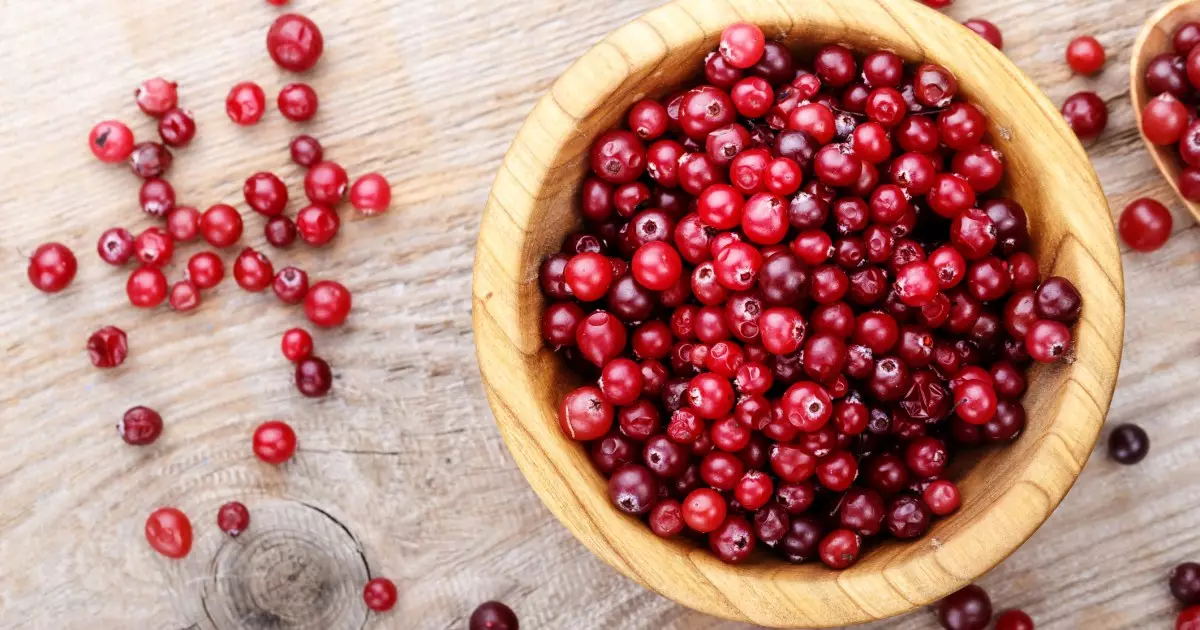
Cranberries are not only safe for dogs but are also packed with a plethora of health-promoting nutrients. These small, vibrant berries are rich in vitamin C, potassium, and fiber, which contribute to maintaining overall health. Fiber, in particular, plays a crucial role in supporting regular bowel movements, promoting a healthy digestive system, and thus helping to curb the incessant begging for table scraps during holiday feasts.
Furthermore, cranberries contain essential vitamins such as E, K, and several B vitamins. The presence of manganese and copper also suggests that these berries are beneficial in supporting your dog’s metabolic processes. With their low-calorie count, cranberries make for an excellent snack that can be enjoyed without the guilt of calorie overload.
Cranberries are known to host anti-inflammatory properties, largely attributed to the presence of quercetin. For dogs that suffer from kidney issues, these berries can offer a supportive measure as they contain high levels of proanthocyanidins (PACs). These compounds can help bolster bladder health by reducing the risk of urinary tract infections (UTIs) and plaque buildup on teeth, benefiting both the urinary and dental health of your pet.
While cranberries have numerous benefits, it’s essential to approach their inclusion in your dog’s diet with caution. Overindulgence in any treat, including cranberries, can lead to adverse effects. Feeding large amounts of cranberries may increase the risk of your dog developing calcium oxalate stones in the bladder, a condition that can lead to serious health complications.
Additionally, although cranberries can be beneficial, they should not be viewed as a standalone treatment for urinary tract infections. Veterinary experts remind pet owners that while cranberries can prevent the adherence of E. Coli bacteria to the bladder wall, they are not a cure-all for UTIs, especially since not all infections are caused by this pathogen. Therefore, relying solely on cranberries for treating your dog’s urinary health is misguided.
While it’s tempting to share holiday treats like cranberry sauce or jelly with your canine companion, doing so can pose significant risks. Many commercially prepared cranberry products contain added sugars, preservatives, and other ingredients that may be harmful to dogs. For example, jellied cranberry sauce is often laden with high sugar content, which can lead to conditions like pancreatitis in dogs.
Moreover, avoid feeding your dog maraschino cherries or craisins, which are dried cranberries that often contain added sugars or preservatives. The key to feeding cranberries lies in sticking to fresh or minimally processed options, ensuring your dog benefits from the berries while steering clear of any potential health hazards.
If you’re looking to get creative and incorporate cranberries into your dog’s treat options, consider making homemade snacks that prioritize their health. You can prepare a simple cranberry shortbread treat, guaranteeing that it’s free from harmful additives. Another option is to mix fresh cranberries into their regular food, allowing your pup to enjoy a nutritious boost without excessive amounts.
Several packaged dog treats infused with cranberries also offer another convenient option for health-conscious pet owners. These treats can be an excellent way to share something special with your dog during the holidays while ensuring you avoid unnecessary ingredients that could compromise their well-being.
Cranberries can undoubtedly be a beneficial addition to your dog’s diet when served correctly and in moderation. As you navigate festive celebrations and your dog’s dietary needs, ensure you balance the healthy benefits with the caution necessary for their safety and happiness. Consulting with your veterinarian about introducing new foods into your dog’s diet is always a commendable step, guaranteeing that your pet enjoys the holidays healthily and happily.
