
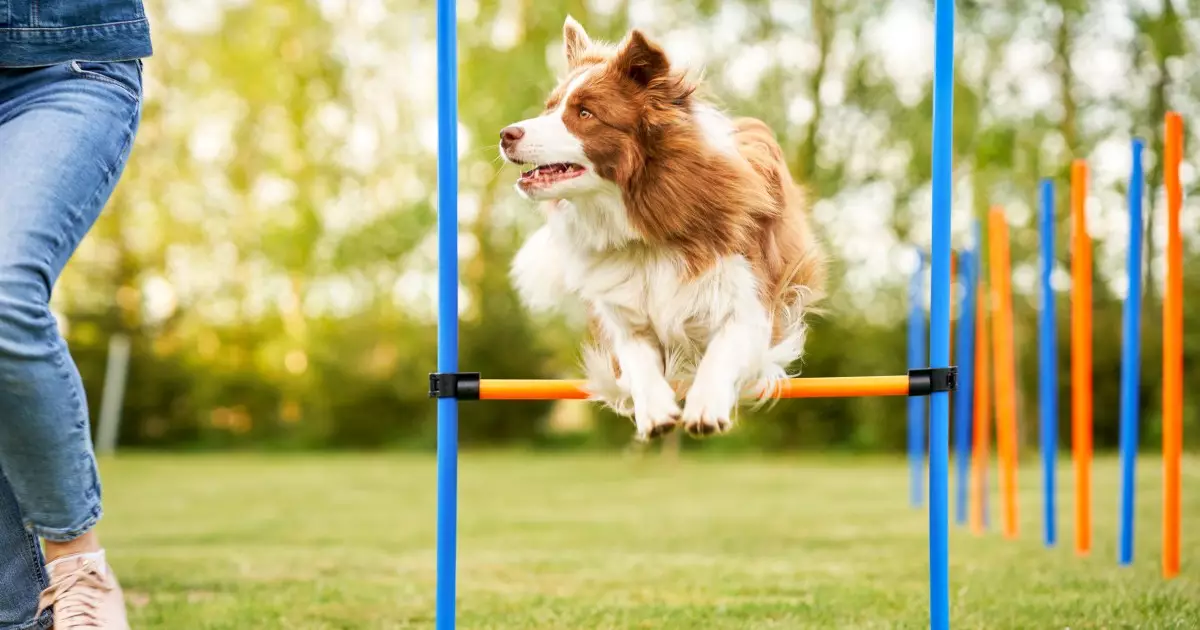
The Joy of Canine Agility: Strengthening Bonds Through Sport
Canine agility is one of the most rewarding ways to build a deep, communicative bond with your dog while supporting their physical health, mental sharpness, and emotional confidence. At its core, agility is a sport where dogs navigate a timed obstacle course—guided entirely by their handler’s voice and body language—without leashes or physical assistance. But beyond the jumps, tunnels, and weave poles, agility is really about teamwork, trust, and shared joy.
For many dog owners, agility becomes more than a hobby. It becomes a language they share with their dog, a structured outlet for energy, and a powerful way to strengthen connection. Whether you dream of competition or simply want a fulfilling activity to do together, understanding canine agility helps you decide if it’s right for you and how to approach it safely and successfully.
What Is Canine Agility?
Canine agility is a dog sport in which a handler directs a dog through a preset obstacle course using verbal cues, gestures, and movement. The goal is accuracy, teamwork, and flow rather than brute speed alone.
Typical agility obstacles include:
- Jumps (single, double, or spread)
- Tunnels (open or collapsed)
- Weave poles
- A-frame
- Dog walk
- Teeter (seesaw)
- Pause table
Each course is designed differently, requiring dogs and handlers to adapt quickly and communicate clearly.
Unlike many sports, agility does not rely on physical control. The handler cannot touch the dog or equipment once the run begins. This makes communication, trust, and timing essential elements of success.
Why Canine Agility Builds Stronger Human–Dog Bonds
One of the most powerful aspects of canine agility is how it transforms the relationship between dog and handler. The sport requires cooperation, mutual focus, and emotional awareness.
Through training, dogs learn to read subtle cues, body positioning, and tone changes. Handlers, in turn, learn to observe their dog’s movement, stress signals, and motivation.
This two-way awareness creates:
- Stronger communication
- Increased trust
- Better responsiveness in daily life
- Greater emotional connection
Agility becomes a shared language built on encouragement rather than correction.
Physical Benefits of Canine Agility
Agility offers structured physical exercise that supports overall canine health when practiced appropriately.
Key physical benefits include:
- Improved cardiovascular endurance
- Stronger muscles and joints
- Better balance and coordination
- Enhanced flexibility
- Weight management
Because agility involves varied movement patterns, it promotes whole-body fitness rather than repetitive strain.
That said, intensity should always match the dog’s age, health, and conditioning level. Proper warm-ups and cooldowns are essential, just as they are in human sports.
Mental Stimulation and Confidence Building
Beyond physical fitness, canine agility provides exceptional mental stimulation. Dogs must think quickly, remember sequences, and make decisions in motion.
This mental engagement helps:
- Reduce boredom-related behaviors
- Improve focus and impulse control
- Build confidence in shy or uncertain dogs
- Provide structure for high-energy breeds
Many trainers observe that dogs who participate in agility are calmer at home because their cognitive needs are being met consistently.
Can Any Dog Do Agility?
One of the most common misconceptions is that agility is only for certain breeds. While Border Collies, Australian Shepherds, and similar working dogs are often seen at competitions, agility is open to dogs of all breeds, sizes, and mixes.
Most organizations categorize dogs by height, ensuring fair competition and safe equipment settings.
Dogs well-suited for agility often share these traits:
- Enjoy learning and problem-solving
- Like working with their humans
- Are physically sound
- Show curiosity and enthusiasm
- Can focus for short periods
That said, success in agility is not defined by ribbons. A mixed-breed dog enjoying a backyard course is just as much an agility dog as a championship competitor.
Age and Health Considerations Before Starting
Before beginning formal agility training, it’s important to evaluate your dog’s physical readiness.
Veterinary clearance is recommended if your dog:
- Is under 12–18 months old
- Has joint or mobility issues
- Has a history of injury
- Is older or returning to exercise
- Shows signs of pain or stiffness
Young dogs should not perform full-height jumps or repetitive impact exercises while their growth plates are still developing. Foundations such as balance, coordination, and body awareness are safer starting points.
Senior dogs can still enjoy modified agility focused on low-impact obstacles and mental engagement.
Temperament Matters More Than Talent
Agility success depends as much on temperament as physical ability.
Dogs that tend to thrive in agility settings often:
- Enjoy interaction
- Recover quickly from mistakes
- Handle novel environments
- Respond well to positive reinforcement
- Show curiosity rather than fear
Dogs with anxiety or sensitivity can still participate, but they may need slower pacing, quieter environments, and patient guidance. Agility should build confidence, not pressure.
Understanding Agility Competition Levels
If you choose to compete, agility organizations offer tiered levels so teams can progress at their own pace.
Most competitions divide dogs by:
- Height category
- Experience level
- Skill progression
Common levels include beginner, novice, open, and advanced classes. Each level introduces more complex course designs and handling challenges.
Competition is optional. Many handlers train purely for enjoyment without ever entering an event.
Training Foundations for Canine Agility
Strong foundations make agility safer and more enjoyable.
Essential skills to teach early:
- Reliable recall
- Sit, down, and stay
- Focus on handler
- Comfort with novel surfaces
- Confidence moving through spaces
Foundation training often emphasizes flatwork—movement without obstacles—to teach dogs how to follow body cues and directional signals.
Positive reinforcement matters
Modern agility training relies heavily on rewards such as treats, toys, praise, or play. This keeps learning enjoyable and builds motivation rather than fear.
Harsh corrections or force-based methods can damage trust and reduce performance.
Finding the Right Agility Training Environment
Choosing the right training setup can make or break the experience.
Look for programs that:
- Use positive reinforcement
- Prioritize safety and progression
- Offer small class sizes
- Allow observation before enrolling
- Respect individual learning speeds
Many trainers offer group classes, private lessons, or workshops. Some facilities also provide open practice time once basic skills are learned.
If formal classes aren’t available, home practice is possible with simple equipment or DIY setups. However, proper instruction is still recommended to avoid unsafe habits.
Home Practice vs. Formal Classes
Both options have value depending on your goals.
Home practice benefits:
- Convenience
- Lower cost
- Custom pacing
- Great for foundation skills
Class-based training benefits:
- Professional guidance
- Safe equipment
- Structured progression
- Socialization opportunities
Many handlers combine both approaches for balanced development.
Safety First: Preventing Injury in Agility
Agility is physically demanding, so safety should always come first.
Important safety considerations include:
- Proper warm-ups before training
- Cool-down periods afterward
- Non-slip surfaces
- Well-maintained equipment
- Appropriate jump heights
- Rest days between sessions
Watch for signs of fatigue such as lagging, reluctance, limping, or loss of focus. If noticed, stop immediately.
Consult a veterinarian or canine sports therapist if concerns arise.
Emotional Benefits for Handlers
Canine agility benefits humans as much as dogs. Many handlers report:
- Reduced stress
- Improved focus
- Increased patience
- Greater confidence
- Stronger emotional bonds
Working toward shared goals fosters a sense of partnership that carries into everyday life.
Agility also offers a supportive community where people connect over shared interests and experiences.
Agility as Enrichment, Not Pressure
It’s important to remember that agility is meant to enrich, not overwhelm. Not every dog needs to compete, and not every handler needs to chase titles.
Success looks different for each team. For some, it’s completing a first tunnel. For others, it’s calmly navigating a full course. Both are meaningful.
The true reward lies in the journey, not the scoreboard.
Common Myths About Canine Agility
“Only working breeds can do agility.”
False. Many mixed breeds and companion breeds excel with proper training.
“Agility is dangerous.”
When taught responsibly and progressively, agility is no more dangerous than other canine sports.
“You need expensive equipment.”
Basic training can start with cones, poles, or household items.
“Older dogs can’t participate.”
Many older dogs enjoy modified agility focused on movement and engagement.
Frequently Asked Questions
What is canine agility?
Canine agility is a dog sport where dogs navigate obstacle courses guided by their handler using voice and body cues.
At what age can dogs start agility?
Foundation training can begin early, but full agility work usually starts after growth plates close, typically around 12–18 months.
Do dogs need to compete to enjoy agility?
No. Many dogs participate purely for fun, exercise, and bonding.
Is agility suitable for all breeds?
Most breeds can enjoy agility with appropriate adjustments for size, health, and temperament.
How often should agility training be done?
Two to three sessions per week is common, depending on intensity and the dog’s condition.
Final Thoughts: Why Canine Agility Is More Than a Sport
Canine agility is a celebration of movement, communication, and partnership. It brings together physical activity, mental stimulation, and emotional connection in a way few activities can match.
Whether practiced casually in your backyard or pursued competitively, agility offers a meaningful way to deepen your relationship with your dog. With patience, preparation, and respect for your dog’s limits, the journey becomes just as rewarding as any ribbon or title.
At its heart, canine agility isn’t about speed or perfection—it’s about teamwork, trust, and the joy of learning together.
