
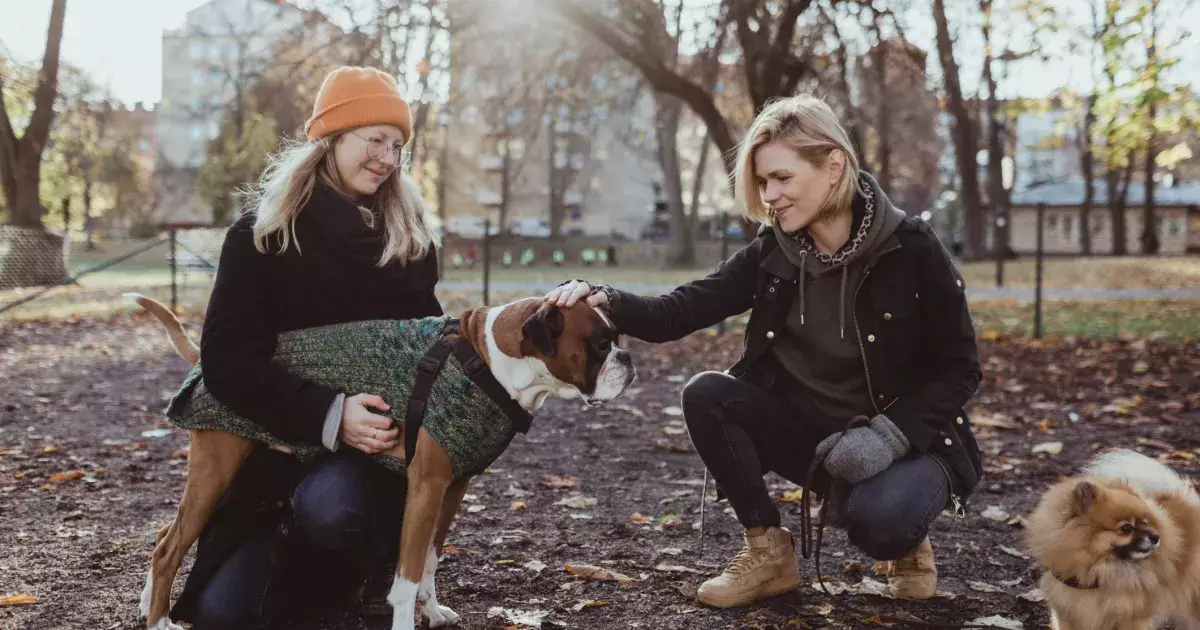
Mastering Dog Park Dynamics: A Comprehensive Guide to Dog Park Etiquette
Dog park etiquette is the foundation of safe, enjoyable, and drama-free visits for both dogs and humans. Whether you’re stepping into a dog park for the first time or you’ve been visiting for years, understanding how dogs and people interact in this shared space can make the difference between a great outing and a stressful one. The goal is simple: create an environment where dogs can play freely and owners feel confident, respected, and prepared.
This guide breaks down how to navigate dog park dynamics with clarity, empathy, and practical judgment. You’ll learn how to communicate with other dog owners, prevent conflict, handle awkward situations gracefully, and build positive relationships that make every visit smoother.
Why Dog Park Etiquette Matters More Than You Think
Dog parks are unique social environments. They bring together strangers, animals with different temperaments, and varying expectations — all in an open, unstructured setting. Unlike training classes or leashed walks, dog parks rely heavily on shared responsibility and mutual awareness.
Good dog park etiquette helps:
- Reduce conflict between dogs
- Prevent misunderstandings between owners
- Improve safety for children and pets
- Create a cooperative community
- Support positive canine behavior
When etiquette breaks down, tension rises quickly. But when people understand the unspoken rules, the park becomes a place of trust and enjoyment.
Understanding the Social Nature of Dog Parks
Dog parks are not just exercise spaces. They are social ecosystems where communication happens constantly — between dogs and between humans.
Dogs communicate through body language, energy, posture, and movement. Humans communicate through tone, boundaries, and reactions. Successful dog park visits happen when owners observe both layers at once.
A common mistake is assuming the park is a “free-for-all.” In reality, it works best when everyone takes responsibility for their dog while respecting others.
First-Time Dog Park Visits: What to Know Before You Go
If you’re new to dog parks, preparation matters. A successful first visit often determines whether future visits will feel enjoyable or stressful.
Before entering, make sure your dog:
- Is fully vaccinated
- Is comfortable around other dogs
- Responds reliably to basic cues like “come” and “leave it”
- Is not overly fearful or reactive
- Is healthy and not recovering from illness or injury
It’s also wise to visit during quieter hours at first. Early mornings or off-peak times allow your dog to acclimate without being overwhelmed.
Reading the Room: Observing Before You Enter
One of the most overlooked aspects of dog park etiquette is observation.
Before opening the gate, take a moment to watch what’s happening inside. Ask yourself:
- Are dogs playing calmly or roughly?
- Is there a size or energy mismatch?
- Are owners attentive or distracted?
- Does the environment feel relaxed or chaotic?
This brief pause can prevent many issues. If the energy feels off, it’s perfectly acceptable to wait or come back later.
Communicating With Other Dog Owners Respectfully
Clear, calm communication is essential in shared dog spaces. Not every interaction needs a conversation, but when communication is necessary, tone matters more than wording.
Offering a friendly heads-up
If you notice a family with small children entering a park where dogs are running at full speed, a gentle heads-up can be helpful. A neutral, non-judgmental comment such as:
“Just so you know, a few of the dogs here are pretty high-energy right now.”
This approach informs without criticizing. It signals awareness rather than authority.
Why tone matters
People are more receptive when they don’t feel corrected or blamed. Avoid language that sounds instructional or accusatory. Your goal is cooperation, not control.
Handling Conflicts Between Dogs Calmly
Even in well-managed dog parks, minor scuffles can happen. Dogs communicate physically, and not every growl or snap signals aggression.
If a conflict occurs:
- Stay calm and avoid shouting
- Call your dog away if possible
- Create distance rather than confrontation
- Avoid grabbing collars unless absolutely necessary
- Focus on de-escalation
Your calm response helps your dog regulate their emotions faster.
Avoid assigning blame
Pointing fingers rarely helps. Every dog owner is responsible for their own dog, and escalating a situation often makes it worse.
If another owner seems unaware of their dog’s behavior, it’s usually best to manage your own dog and move on rather than confront them directly.
When Your Dog Causes an Awkward Moment
Dogs are unpredictable. Even well-trained dogs can jump, bark, or accidentally knock someone over.
If your dog jumps on another person or causes a small mishap:
- Offer a sincere apology
- Call your dog back promptly
- Regain control before continuing
Over-apologizing or offering compensation for minor incidents can make situations more uncomfortable. A calm apology and quick correction are usually enough.
Think of dog parks like playgrounds: minor messes and surprises are part of the environment.
Knowing When to Step Away
Sometimes the best decision is to leave — and that’s not a failure.
You may want to exit the park if:
- Your dog is overstimulated
- Tensions are rising
- Play becomes too rough
- You feel uncomfortable
- Another dog’s behavior is concerning
Leaving early protects your dog’s confidence and prevents negative associations. Experienced dog owners see this as proactive, not reactive.
Understanding Dog Play vs. Problem Behavior
A key part of dog park etiquette is learning to distinguish healthy play from warning signs.
Healthy play often includes:
- Role reversals (one dog takes turns being chased)
- Loose, wiggly body language
- Pauses in activity
- Self-handicapping
- Play bows
Warning signs include:
- Stiff posture
- Prolonged staring
- Raised hackles
- Growling with tension
- Repeated pinning or cornering
If play stops being mutual, it’s time to intervene calmly.
Building Relationships With Regulars
Dog parks often develop small communities. Seeing familiar faces can make visits more relaxed and enjoyable.
Building rapport with other owners allows you to:
- Share insights about dog behavior
- Give or receive gentle feedback
- Coordinate play styles
- Look out for each other’s dogs
Simple conversations go a long way. Over time, trust develops naturally.
If you notice recurring behavioral challenges with a dog, a soft, indirect comment can open dialogue, such as:
“If you ever want trainer recommendations, I’ve worked with someone really helpful.”
This keeps communication supportive rather than confrontational.
Managing High-Energy Dogs in Shared Spaces
High-energy dogs aren’t “bad dogs,” but they require attentive handling in communal areas.
If your dog tends to get overstimulated:
- Take breaks during play
- Practice recall regularly
- Redirect with short walks
- Avoid peak hours
- End sessions before exhaustion sets in
Structured outlets like training, hiking, or enrichment games can help channel excess energy outside the park.
Children at Dog Parks: Awareness and Boundaries
Dog parks are designed primarily for dogs, not children. While some parks allow kids, supervision is critical.
Children should be taught to:
- Avoid running through groups of dogs
- Ask before touching unfamiliar dogs
- Stand still if dogs approach
- Avoid screaming or waving toys
If children enter a high-energy area, a gentle heads-up can help prevent accidents without sounding judgmental.
Learning From Each Visit
Every dog park experience offers insight. Pay attention to:
- Your dog’s stress signals
- How long they enjoy being there
- Which dogs they play best with
- What triggers excitement or discomfort
Over time, you’ll learn when to stay longer, when to leave early, and how to adjust your approach.
When Dog Parks Aren’t the Right Fit
Dog parks are not essential for a happy dog. Some dogs prefer quiet walks, structured playdates, or one-on-one interaction.
Dogs who may struggle with dog parks include:
- Highly anxious dogs
- Dogs with resource guarding issues
- Dogs recovering from trauma
- Very young puppies
- Dogs with mobility or health concerns
Choosing alternatives isn’t a failure — it’s responsible ownership.
Creating a Positive Dog Park Culture
Dog park etiquette works best when people model calm leadership. Small actions contribute to a healthier environment:
- Pick up after your dog
- Stay engaged instead of scrolling on your phone
- Intervene early, not emotionally
- Be kind but firm
- Respect different comfort levels
These behaviors create a ripple effect that improves everyone’s experience.
Frequently Asked Questions About Dog Park Etiquette
What is proper dog park etiquette?
Proper dog park etiquette includes supervising your dog, respecting others, preventing conflict, cleaning up after your pet, and communicating calmly when issues arise.
Should I intervene if another dog is misbehaving?
Focus on your own dog first. If safety is at risk, calmly create distance. Direct confrontation is usually unproductive.
Is it okay to bring treats or toys?
Treats and toys can cause guarding behavior. Many parks recommend avoiding them unless explicitly allowed.
How long should a dog stay at the park?
Most dogs benefit from 30–60 minutes depending on energy level. Leaving before overstimulation helps prevent problems.
What if my dog doesn’t like the dog park?
That’s completely normal. Some dogs prefer walks, training sessions, or one-on-one play instead.
Final Thoughts: Navigating Dog Parks With Confidence and Care
Mastering dog park etiquette is less about strict rules and more about awareness, empathy, and responsibility. Every visit is an opportunity to observe, learn, and improve how we show up for our dogs and our community.
When approached thoughtfully, dog parks can be joyful spaces filled with movement, connection, and mutual respect. By staying attentive, communicating kindly, and prioritizing safety, you help create an environment where both dogs and humans can relax and enjoy the experience — together.
