
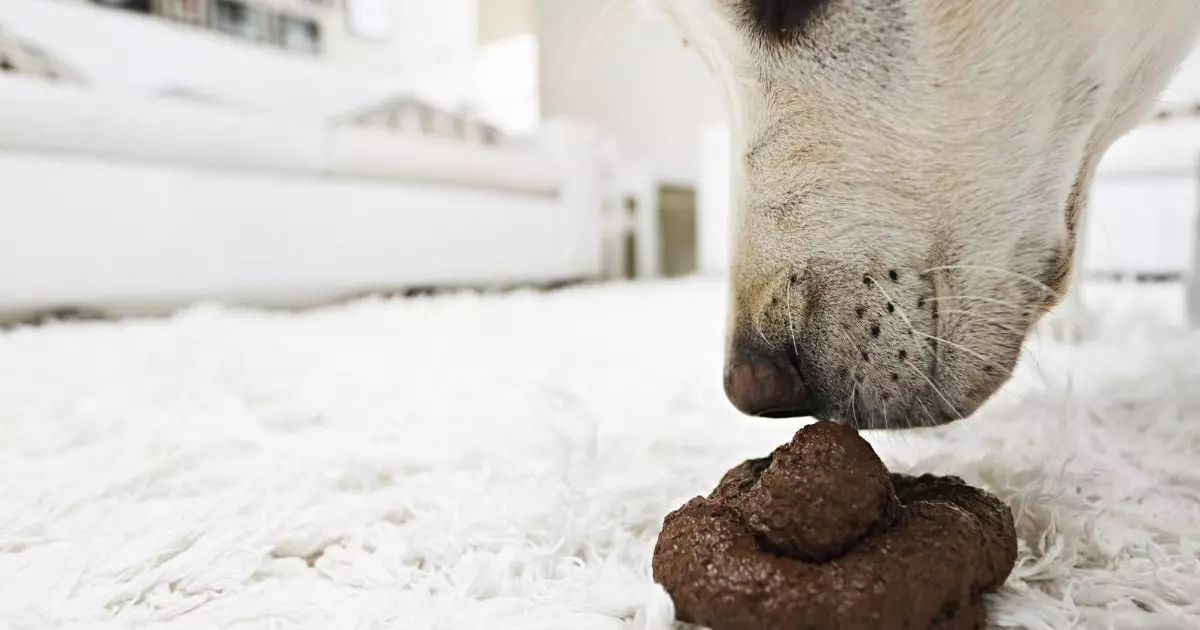
Unpleasant canine habits like eating poop or scooting across the floor are far more common than most dog owners expect—and they’re almost never about bad behavior. These actions are usually signals that something physical, emotional, or environmental needs attention. Understanding why dogs engage in coprophagia (feces eating) and scooting is the first step toward stopping the behavior safely and effectively, without shame, punishment, or guesswork.
This guide breaks down the real causes behind these habits, the health risks involved, and the most reliable, humane strategies for managing and preventing them. If your dog eats poop, drags their rear on the carpet, or does both, you’re not alone—and there are clear, practical solutions.
Why Dogs Develop “Unpleasant” Habits in the First Place
Dogs experience the world very differently from humans. Behaviors we find embarrassing or disgusting often make perfect sense from a canine perspective. Dogs rely heavily on scent, instinct, and physical sensation. When something feels off in their body or environment, their behavior reflects it.
Two of the most misunderstood canine behaviors—coprophagia and scooting—are rarely random. They are usually responses to:
-
Instinctual drives
-
Nutritional or digestive issues
-
Stress or anxiety
-
Learned behaviors
-
Physical discomfort
Treating these habits as communication rather than misbehavior leads to faster, more lasting results.
Coprophagia in Dogs: Why Dogs Eat Poop
Coprophagia is the technical term for feces consumption. While deeply unpleasant for humans, it is a behavior seen across many animal species, including dogs.
Is Coprophagia Normal?
From a biological standpoint, yes—coprophagia can be normal. That doesn’t mean it should be ignored, but it does mean it’s not a sign your dog is “bad” or broken.
Dogs are scavengers by nature. Their ancestors survived by consuming whatever nutrients were available, including waste. This instinct still exists in modern dogs, even those living in loving homes with full food bowls.
Common Causes of Coprophagia
1. Puppy Exploration and Development
Puppies explore the world with their mouths. Feces may resemble regurgitated food they once received from their mother, making it seem edible.
Most puppies outgrow this behavior naturally, especially with proper supervision and training.
2. Learned Behavior from Punishment
Dogs that were harshly punished for accidents during house training may eat their stool to “hide the evidence.” This is not defiance—it’s fear-based problem-solving.
Punishment increases anxiety and often reinforces the habit rather than stopping it.
3. Nutritional Imbalances or Poor Digestibility
Dogs may eat feces if their diet:
-
Lacks sufficient protein
-
Is poorly digested
-
Passes nutrients unused
In these cases, feces may still smell like food to a dog’s powerful nose.
4. Boredom and Understimulation
Dogs left alone for long periods or lacking mental enrichment may engage in coprophagia out of boredom. This is especially common in intelligent or high-energy breeds.
5. Stress and Anxiety
Dogs experiencing stress—changes in routine, new pets, loud environments—may develop coping behaviors, including poop eating.
6. Multi-Dog Households
In some cases, dogs eat feces to keep shared spaces clean or due to social hierarchy dynamics. This behavior can be inherited from den-cleaning instincts.
7. Cat Poop (A Special Case)
Many dogs find cat feces irresistible because:
-
Cat food is high in protein and fat
-
Feces often contain undigested nutrients
However, cat litter—especially clumping litter—poses serious health risks if ingested.
Health Risks of Coprophagia
For healthy, vaccinated dogs, eating their own feces usually carries minimal risk. However, risks increase when dogs consume feces from:
-
Other dogs
-
Cats
-
Wildlife
Potential concerns include:
-
Intestinal parasites
-
Bacterial infections
-
Ingestion of toxins or medications
-
Gastrointestinal upset
Regular veterinary checkups and parasite prevention are essential for dogs with this habit.
How to Stop Coprophagia Safely and Effectively
Step 1: Rule Out Medical Causes
If coprophagia is persistent or sudden, consult your veterinarian. Conditions that may contribute include:
-
Parasites
-
Digestive disorders
-
Pancreatic enzyme deficiencies
Medical causes must be addressed before behavioral strategies will succeed.
Step 2: Improve Diet Quality
A highly digestible, protein-appropriate diet reduces the appeal of feces.
Some owners find success by:
-
Switching to higher-quality food
-
Adding digestive enzymes or probiotics
-
Ensuring proper portion sizes
Avoid overfeeding, which can worsen nutrient malabsorption.
Step 3: Immediate Environmental Management
Prevention is powerful.
-
Pick up feces promptly in yards
-
Supervise dogs during bathroom breaks
-
Keep dogs leashed in areas with visible waste
-
Block access to litter boxes in cat households
Removing opportunity reduces habit reinforcement.
Step 4: Training and Redirection
Use positive reinforcement:
-
Interrupt calmly if you see the behavior
-
Redirect to a toy or treat
-
Reward ignoring feces
Never punish. Even negative attention can reinforce the behavior.
Step 5: Mental and Physical Enrichment
A mentally fulfilled dog is less likely to develop compulsive habits.
Helpful activities include:
-
Daily walks
-
Training sessions
-
Puzzle toys
-
Scent games
Engagement reduces boredom-driven behaviors.
Step 6: Taste Deterrents (With Realistic Expectations)
Some products or food additives aim to make feces taste unpleasant. Results vary widely.
Common options include:
-
Commercial deterrents
-
Pineapple or spinach supplements
These should be used alongside—not instead of—management and training.
Scooting in Dogs: What It Really Means
Scooting—dragging the rear along the ground—is almost always a sign of physical discomfort, not misbehavior.
The Most Common Cause: Anal Gland Issues
Dogs have two anal sacs located near the rectum. These glands:
-
Produce scent markers
-
Normally empty during bowel movements
When they become full or impacted, dogs may scoot to relieve pressure.
Other Causes of Scooting
-
Intestinal parasites
-
Allergies (food or environmental)
-
Diarrhea or soft stools
-
Skin irritation
-
Foreign material stuck in fur
Scooting should never be ignored, especially if frequent.
Health Risks of Ignoring Scooting
Untreated anal gland issues can lead to:
-
Infection
-
Abscesses
-
Rupture
These conditions are painful and require veterinary treatment.
How to Address Scooting Properly
Step 1: Veterinary Evaluation
A veterinarian can:
-
Check anal glands
-
Rule out parasites
-
Assess stool quality
-
Identify allergies
Self-diagnosis often misses the real cause.
Step 2: Improve Stool Consistency
Firm stools naturally express anal glands.
Your vet may recommend:
-
Dietary fiber adjustments
-
Probiotics
-
Food changes
Avoid sudden diet changes without guidance.
Step 3: Grooming and Hygiene
Long hair around the rear can trap debris and cause irritation. Regular grooming helps prevent discomfort.
Step 4: Ongoing Monitoring
Occasional scooting may not be serious. Repeated scooting always warrants attention.
Why Punishment Makes Both Habits Worse
Scolding or punishing dogs for coprophagia or scooting:
-
Increases anxiety
-
Suppresses communication
-
Reinforces fear-based behaviors
Dogs do not connect punishment with internal discomfort. Compassion and problem-solving are far more effective.
When to Seek Professional Help
Consult a veterinarian or behavior professional if:
-
The behavior is sudden or severe
-
There are signs of illness
-
Training efforts fail
-
Anxiety appears to be driving the habit
Early intervention prevents escalation.
Preventing Unpleasant Habits Long-Term
Prevention focuses on meeting your dog’s needs consistently.
Key strategies:
-
Balanced, digestible nutrition
-
Regular veterinary care
-
Mental and physical enrichment
-
Calm, predictable routines
-
Positive reinforcement training
Most unpleasant habits fade when underlying needs are met.
Frequently Asked Questions
Is coprophagia dangerous for dogs?
It can be, especially when feces come from other animals or contain parasites or toxins.
Will my dog outgrow poop eating?
Many puppies do, but adult dogs often need management and training.
Is scooting ever normal?
Occasional scooting can happen, but frequent scooting indicates discomfort.
Can I express my dog’s anal glands at home?
It’s best done by professionals unless your vet instructs otherwise.
Final Thoughts: Understanding Over Embarrassment
Unpleasant canine habits are frustrating—but they are also fixable. Dogs that eat poop or scoot are not misbehaving; they are responding to instincts, discomfort, or unmet needs. When owners replace embarrassment with understanding and punishment with problem-solving, real change happens.
Addressing these behaviors strengthens trust, improves health, and deepens the bond between you and your dog. With patience, consistency, and the right support, even the most distressing habits can be managed—often permanently.
Your dog isn’t trying to embarrass you. They’re trying to tell you something.
