
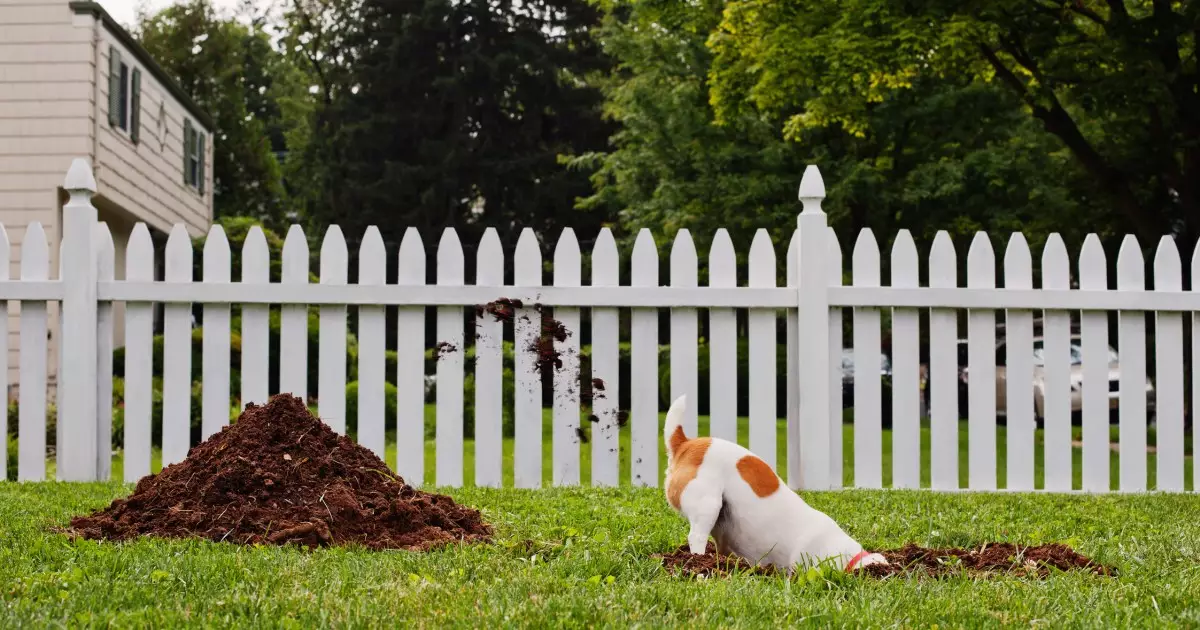
Understanding canine digging behavior begins with recognizing a simple truth: dogs don’t dig to annoy you. Digging is a natural, instinct-driven behavior shaped by genetics, environment, emotional needs, and daily routines. When a dog starts tearing up the yard, burrowing under fences, or clawing at carpets, it’s rarely random or “bad behavior.” It’s communication.
This guide explains why dogs dig, which breeds are more prone to it, how to tell the difference between normal instinct and problem behavior, and—most importantly—how to manage digging in a way that respects your dog’s needs while protecting your home and yard. With the right approach, digging can be redirected, reduced, or even turned into a healthy outlet instead of a constant frustration.
Why Dogs Dig: The Core Reasons Behind the Behavior
Digging is one of the oldest canine behaviors, inherited directly from wild ancestors. Long before dogs lived in homes, digging served essential survival functions. Those instincts haven’t disappeared just because dogs now sleep on couches.
Most digging behavior falls into one or more of these categories:
-
Instinct and genetics
-
Temperature regulation
-
Foraging and prey drive
-
Boredom and excess energy
-
Stress, anxiety, or frustration
-
Escape or mating behavior
Understanding which motivation applies to your dog is the key to solving the problem effectively.
Digging as an Instinctive Survival Behavior
In the wild, digging provided safety and comfort. Wolves and wild canids dig dens to:
-
Escape extreme heat or cold
-
Hide from predators
-
Protect young
-
Create a comfortable resting space
Domestic dogs retain this instinct. When your dog digs a shallow hole in the yard or scratches at bedding indoors, they may be attempting to create a cooler, softer, or more secure resting spot.
This is why dogs often dig:
-
Under trees
-
Along fences
-
In shaded areas
-
Near foundations
These locations naturally offer temperature relief and protection.
Temperature Regulation: Digging to Cool Down or Warm Up
One of the most overlooked reasons dogs dig is temperature control.
Digging in hot weather
Soil beneath the surface is cooler than the air. Dogs dig shallow holes to lie in cool earth, especially in summer.
Breeds more likely to dig for cooling include:
-
Huskies
-
Malamutes
-
Samoyeds
-
German Shepherds
These breeds often overheat easily and instinctively seek relief.
Digging in cold weather
In colder climates, dogs may dig to create insulated resting spots protected from wind.
Providing proper shelter and climate control can significantly reduce temperature-related digging.
Foraging and Prey Drive: The Hunter’s Instinct
Digging is deeply connected to a dog’s prey drive.
In nature, digging allowed dogs to:
-
Unearth small animals
-
Locate roots or cached food
-
Follow scents underground
Domestic dogs may dig because:
-
They smell rodents, insects, or moles
-
They detect buried food or organic matter
-
The act itself is rewarding
Even well-fed dogs may dig purely for the mental stimulation it provides.
Breed Genetics and Digging Tendencies
Some dogs are genetically wired to dig more than others. This doesn’t mean the behavior is unmanageable—but it does mean expectations should be realistic.
Terriers: The Professional Diggers
Terriers were bred specifically to hunt underground prey. Digging is not just a habit—it’s their job description.
Common digging terriers include:
-
Jack Russell Terriers
-
Fox Terriers
-
Cairn Terriers
-
Rat Terriers
These dogs are highly skilled diggers with powerful front legs and intense focus.
Scent Hounds: Following Their Nose
Scent hounds dig to follow smells.
Examples include:
-
Beagles
-
Basset Hounds
-
Dachshunds
If a scent trail disappears underground, digging is the logical next step.
Spitz and Northern Breeds
Breeds like Huskies and Malamutes dig for:
-
Temperature regulation
-
Boredom relief
-
Escape
These dogs are intelligent, energetic, and independent. Without sufficient stimulation, digging becomes a default outlet.
Herding and Working Breeds
Border Collies, Shelties, and similar breeds may dig when:
-
Understimulated
-
Lacking structured work
-
Mentally bored
For these dogs, digging is often a sign of unmet mental needs rather than instinct alone.
Boredom and Excess Energy: The Most Common Cause
One of the most frequent causes of problematic digging is boredom.
Dogs that lack:
-
Physical exercise
-
Mental enrichment
-
Social interaction
will often invent their own entertainment—and digging is highly rewarding.
Signs boredom is the driver:
-
Digging occurs when alone
-
Digging increases after missed walks
-
Digging is repetitive and unfocused
A tired dog is far less likely to dig destructively.
Stress, Anxiety, and Emotional Digging
Digging can also be a coping mechanism.
Dogs may dig when experiencing:
-
Separation anxiety
-
Environmental stress
-
Changes in routine
-
Lack of predictability
Stress-related digging often appears alongside:
-
Pacing
-
Whining
-
Destructive chewing
-
Escape attempts
Addressing emotional needs is essential in these cases.
Escape Digging: When Dogs Dig to Get Out
Some dogs dig with a clear goal: escape.
Common triggers include:
-
Searching for a mate
-
Chasing wildlife
-
Fear of confinement
-
Lack of stimulation
Dogs that dig along fences or gates are often motivated by something beyond the yard.
The Role of Spaying and Neutering
Unneutered dogs—especially males—are more likely to dig in pursuit of mates.
Spaying and neutering can:
-
Reduce roaming behavior
-
Decrease escape motivation
-
Improve overall stability
While not a cure-all, it can significantly reduce hormonally driven digging.
Why Punishment Doesn’t Work
Punishing digging behavior is ineffective and often counterproductive.
Punishment:
-
Does not address the underlying cause
-
Increases stress and anxiety
-
Teaches dogs to dig when unsupervised
-
Damages trust
Dogs don’t connect punishment with past digging—they connect it with your presence.
Turning Digging Into an Acceptable Behavior
The most effective approach is not elimination, but redirection.
Create a designated digging area
A digging pit or sandbox allows dogs to:
-
Fulfill instinctual needs
-
Dig without damaging the yard
-
Channel energy productively
How to create one:
-
Choose a quiet, shaded area
-
Border it with wood or bricks
-
Fill with soft soil or sand
-
Bury toys or treats occasionally
Praise and reward your dog for using this space.
Increasing Exercise and Enrichment
Digging often disappears when needs are met.
Effective strategies include:
-
Daily walks suited to breed and age
-
Interactive games like fetch or tug
-
Puzzle feeders and scent games
-
Training sessions
Mental work is just as important as physical exercise.
Managing the Environment
Sometimes management is necessary alongside training.
Helpful steps:
-
Block off favorite digging spots
-
Use fencing reinforcements
-
Remove attractants like compost or rodents
-
Improve shade and shelter
Environmental changes reduce temptation.
Indoor Digging: What It Means
When dogs dig indoors—at carpets, couches, or bedding—it often signals:
-
Anxiety
-
Overstimulation
-
Need for comfort
Providing chew toys, calming routines, and structured rest can help.
When Digging Signals a Bigger Problem
Consult a professional if digging:
-
Is sudden and intense
-
Appears obsessive
-
Occurs alongside aggression or panic
-
Leads to injury
A veterinarian or certified behavior professional can help identify medical or psychological causes.
Frequently Asked Questions About Canine Digging
Is digging normal for dogs?
Yes. Digging is a natural behavior rooted in instinct.
Can digging be completely stopped?
Some dogs can be redirected; others will always need an outlet.
Why does my dog dig only in one spot?
That spot likely offers scent, shade, comfort, or reinforcement.
Does age affect digging?
Puppies dig out of curiosity; adults dig from habit or need; seniors may dig for comfort.
Are some dogs just “bad diggers”?
No. Digging reflects unmet needs, not bad character.
Final Thoughts: Digging Is Communication, Not Defiance
Digging is one of the clearest examples of how dogs communicate through behavior. When dogs dig, they are telling us something about their instincts, environment, or emotional state.
By understanding the reasons behind canine digging behavior—and responding with empathy, structure, and appropriate outlets—you can transform a frustrating habit into a manageable, even enriching, part of your dog’s life.
The goal isn’t to suppress instinct. It’s to guide it in a way that works for both of you.
