
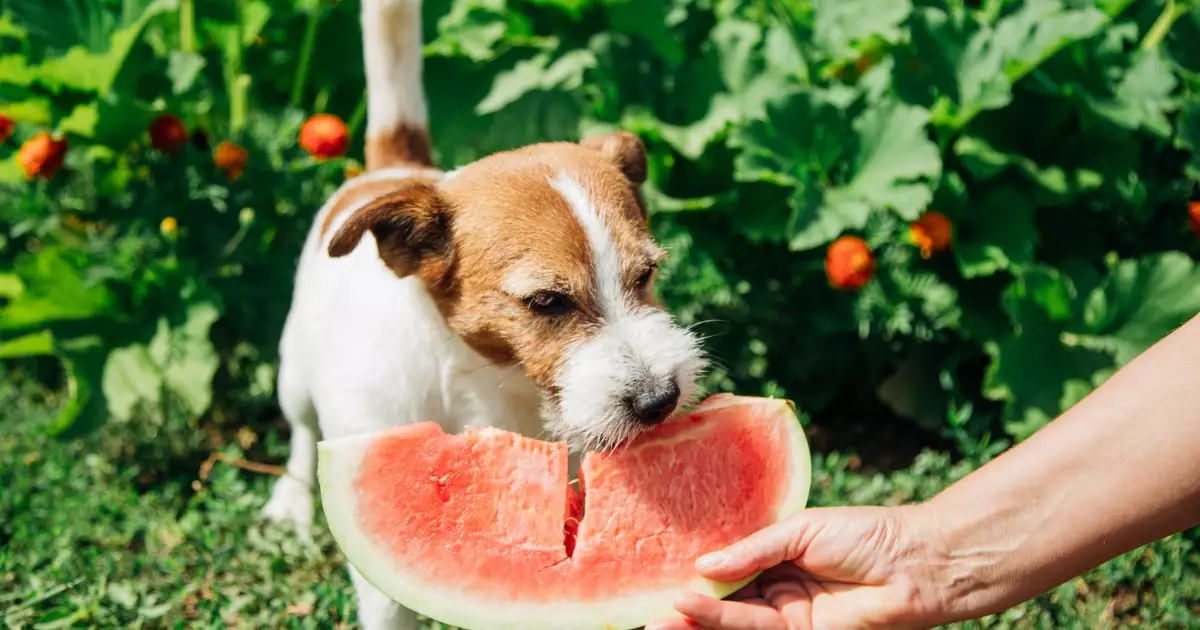
As pet owners, the well-being and health of our dogs often occupy a central place in our daily lives. One of the most persistent debates in the realm of dog care revolves around what constitutes appropriate dog food. The traditional viewpoint staunchly advocates for a diet composed exclusively of commercially available dog food. However, this perspective is being increasingly challenged. The essence of a dog’s diet might not be so restrictive after all. This exploration takes a deeper dive into the consideration of incorporating human food into your dog’s diet while addressing potential risks and benefits.
Historically, our canine companions were scavengers, thriving on scraps left behind by humans. This evolutionary background suggests that dogs are well-equipped to handle a variety of foods beyond the standard kibble. Advocates of human food suggest that, when approached responsibly, certain human foods can offer nutritional benefits that can supplement a dog’s diet. This is not to say that any human food is safe for dogs—far from it. It’s crucial to understand that individual dogs may react differently to various foods, influenced by their unique physiology and potential allergies.
The transition to including human food should be approached with caution. Gradually introducing new items into your dog’s diet allows you to monitor how they respond. Start with small portions of foods known to be dog-friendly, paying close attention to any adverse reactions. Foods considered safe for dogs generally have specific preparation requirements. For example, while fruits like apples and blueberries are typically safe in moderation, their cores or seeds can pose risks. Always ensure that foods are dog-safe and prepared appropriately to prevent any negative effects.
Several human foods can serve as enriching additions to your dog’s diet, providing essential vitamins and minerals. For instance, pumpkin is noted for its digestive support and is an excellent remedy for occasional gastrointestinal issues. Additionally, omega-3 fatty acids found in fish like salmon are beneficial for maintaining a healthy coat and bolstering immune function in dogs. Conversely, it’s crucial to avoid specific human foods that are known to be harmful or even toxic to canines. Chocolate, grapes, and onions are notorious for causing various health complications. This highlights the importance of vigilance and education when considering human food options for dogs.
While enriching your dog’s diet with safe human foods, ensuring balance is vital. An excess of any one food type can lead to health complications, particularly with high-fat foods or those dense in sodium. Ideally, the human food should contribute to a well-rounded diet that remains predominantly based on high-quality dog food. It’s essential to rely on commercial dog food designed to meet the specific nutritional needs of dogs while using human food as a supplement rather than a substitute.
Just as with humans, dogs can develop food allergies or sensitivities that may go unnoticed initially. To avoid unintended reactions, keeping track of what you feed your dog is crucial. When introducing a new food, observe for signs of distress, such as vomiting, diarrhea, or itching. If you suspect an allergic reaction, it’s imperative to consult with your veterinarian to determine a safe dietary approach.
Choosing which human foods to offer your dog can indeed present a challenge, but it doesn’t have to feel daunting. Utilize reliable resources, such as veterinary advice and reputable dog care websites, to inform your decisions. Always consider the quality and source of any human food provided, favoring fresh produce and whole foods over processed options. Engaging in meaningful research can grant you the confidence to explore the options available while effectively protecting your dog’s health.
When done thoughtfully, incorporating human foods into your dog’s diet can enhance their well-being and contribute positively to their overall health. The journey encourages a proactive stance on nutrition, recognizing the unique dietary needs of your canine friend while navigating the fine line between caution and exploration. Engaging with your veterinarian regularly will further ensure that your dog remains a happy, healthy part of your family, thriving on a diet that enriches their life without compromising their health. With informed choices and gradual adjustments, you can experience the joy of sharing your meals with your furry companion—safely and enjoyably.
