
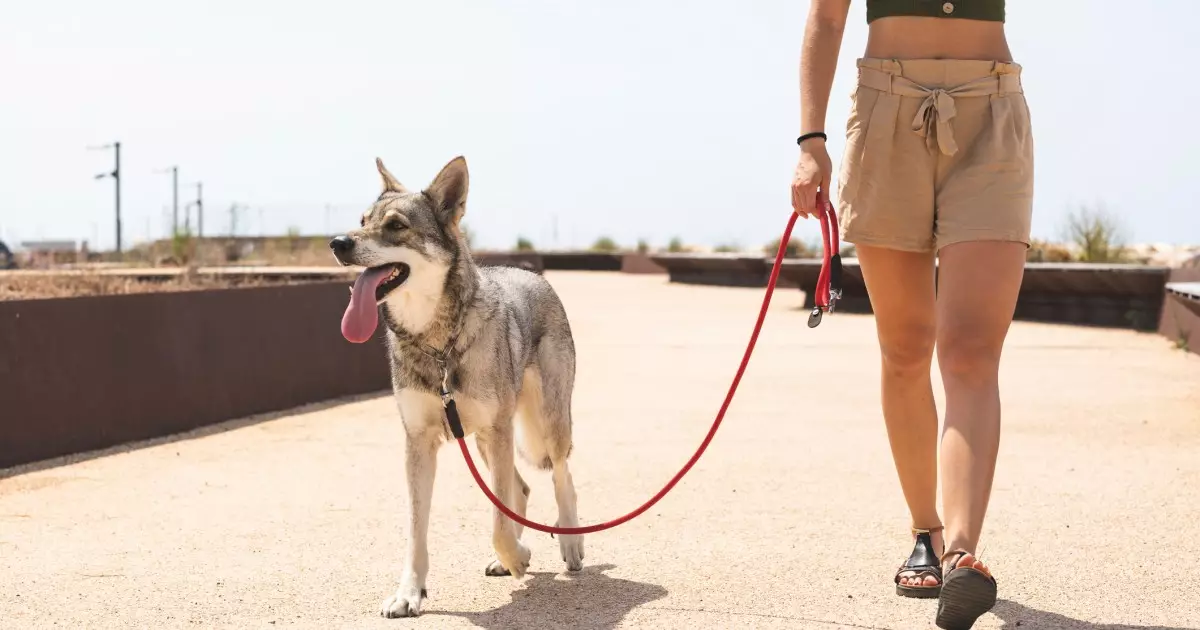
Dog walking dynamics are often misunderstood, especially when it comes to the belief that a dog walking in front of you is trying to assert dominance. This idea has been repeated for decades, yet modern behavioral science and real-world training experience tell a very different story. Walking your dog is not about power struggles or hierarchy—it’s about communication, cooperation, and meeting your dog’s physical and emotional needs in a structured way.
If you’ve ever wondered whether your dog pulling ahead means they’re “in charge,” or if you’ve been told you must always walk first to be the leader, you’re not alone. These myths persist despite being outdated. In this guide, we’ll break down what actually matters during walks, why dominance-based thinking causes problems, and how to build calm, enjoyable walks rooted in trust and teamwork.
Why Dog Walking Dynamics Matter More Than You Think
Walking is one of the most frequent interactions you have with your dog. It’s not just exercise—it’s communication, enrichment, and relationship-building all rolled into one.
Every walk teaches your dog something:
-
How to respond to pressure
-
How to handle stimulation
-
Whether you are predictable and safe
-
Whether the environment feels overwhelming or manageable
Poor walking dynamics don’t just lead to pulling. They can contribute to leash reactivity, anxiety, frustration, and even aggression. Healthy walking dynamics, on the other hand, support emotional regulation and reinforce your bond.
The Dominance Myth: Where It Came From—and Why It’s Wrong
The idea that dogs are constantly trying to dominate humans comes from early, flawed studies of captive wolves. These studies misunderstood wolf behavior and incorrectly applied it to domestic dogs.
Modern research shows:
-
Dogs do not see humans as rival pack members
-
Dogs are not trying to “take over” by walking ahead
-
Leadership in dogs is about safety and guidance, not control
Dogs walk ahead because they are curious, excited, or motivated—not because they’re challenging your authority.
Why Dogs Naturally Want to Walk in Front
Understanding why dogs move ahead helps eliminate frustration.
Dogs Experience the World Through Their Nose
A walk is not just a stroll—it’s a sensory expedition. Dogs gather information by sniffing:
-
Who passed by
-
What animals were present
-
How long ago something happened
Walking slightly ahead allows them to access scents more freely.
Forward Motion Is Self-Reinforcing
When a dog pulls and reaches something interesting, the behavior is rewarded. This is not defiance—it’s learning.
Energy and Arousal Levels Matter
High-energy dogs often surge forward because:
-
They’re under-exercised
-
They’re overstimulated
-
They haven’t learned leash skills yet
None of these are dominance issues.
Why Dominance-Based Walking Advice Backfires
Approaches rooted in dominance often include:
-
Forcing the dog to heel at all times
-
Harsh leash corrections
-
Intimidation or physical control
These methods may suppress behavior temporarily, but they often create deeper problems.
Common Consequences of Dominance-Based Walking
-
Increased anxiety
-
Leash reactivity
-
Shutdown behavior
-
Erosion of trust
Dogs trained through fear may walk “politely,” but they are not relaxed—and stress always surfaces eventually.
Cooperation: The Foundation of Healthy Dog Walking Dynamics
Modern training emphasizes cooperation over control. This means teaching your dog how to walk with you, not forcing compliance.
A cooperative walk:
-
Allows exploration within boundaries
-
Uses clear communication
-
Reinforces calm behavior
-
Adjusts to the dog’s needs
Leadership is shown through consistency and guidance, not physical position.
Does Your Dog Need to Walk Beside You?
Not necessarily.
There are times when structured walking (like heeling) is useful:
-
Busy sidewalks
-
Crossing streets
-
Passing other dogs
But expecting a dog to heel for an entire walk ignores their need for enrichment.
A Balanced Walk Includes:
-
Loose-leash walking
-
Sniffing breaks
-
Structured moments when needed
This balance reduces pulling more effectively than constant restriction.
Understanding Leash Pulling Without Blame
Pulling is one of the most common walking frustrations, and it’s often misunderstood.
Why Dogs Pull on the Leash
-
The leash restricts natural movement
-
Forward motion is rewarding
-
The environment is stimulating
-
The dog lacks impulse control skills
Pulling is a training issue, not a respect issue.
How Dogs Learn to Pull (Without You Realizing It)
If pulling gets a dog closer to something interesting—even once—it’s reinforced.
Over time, the dog learns:
“Tight leash = progress”
This learning happens unintentionally and can be reversed with the right strategy.
Tools That Support Cooperative Walking
The right equipment can make a significant difference, especially during training.
Helpful Walking Tools
-
Front-clip harnesses
-
Head halters (when properly conditioned)
-
Standard-length leashes (not retractable)
These tools don’t teach on their own, but they reduce physical strain and improve communication.
Teaching Loose-Leash Walking Through Cooperation
Loose-leash walking is a skill, not an instinct.
Key Principles
-
Reward slack in the leash
-
Stop or change direction when pulling occurs
-
Reinforce attention and check-ins
Progress comes from consistency, not force.
The Role of Reinforcement in Walking Behavior
Dogs repeat behaviors that work.
Reinforce:
-
Walking near you
-
Responding to cues
-
Choosing calm behavior
Reinforcement can include:
-
Treats
-
Praise
-
Access to sniffing
Sniffing itself is a powerful reward.
Sniffing Is Not a Distraction—It’s Enrichment
Many owners try to stop sniffing, thinking it encourages pulling. In reality, controlled sniffing reduces pulling by satisfying your dog’s needs.
Try This:
-
Use “go sniff” as a release cue
-
Allow sniffing after polite walking
-
End sniffing with a calm cue
This teaches your dog that cooperation leads to freedom.
Adjusting Walking Expectations by Dog Personality
Not all dogs walk the same way.
High-Energy Dogs
-
Need more exercise before walks
-
Benefit from structured training
-
Require patience and repetition
Anxious or Fearful Dogs
-
Need slower pacing
-
Benefit from predictable routes
-
Should never be rushed
Senior Dogs
-
May walk behind or stop frequently
-
Need comfort over structure
Good walking dynamics adapt to the dog—not the other way around.
When Walks Become Stressful Instead of Enjoyable
If walks feel tense, something needs adjustment.
Common signs of stress:
-
Excessive pulling
-
Refusal to move
-
Hypervigilance
-
Reactivity
Stressful walks don’t teach good behavior—they reinforce anxiety.
Rethinking Leadership on Walks
Leadership is not about being in front. It’s about:
-
Making good decisions
-
Keeping your dog safe
-
Providing clarity
Your dog doesn’t need domination—they need guidance.
Building Trust Through Predictable Walks
Dogs thrive on predictability.
Helpful strategies:
-
Use consistent cues
-
Maintain a steady pace
-
Avoid sudden corrections
Predictable walks build confidence and reduce reactivity.
When Professional Help Is Beneficial
If walking issues include:
-
Lunging
-
Barking at dogs or people
-
Panic responses
A qualified trainer or behavior professional can help create a plan that prioritizes emotional safety.
Frequently Asked Questions About Dog Walking Dynamics
Is it bad if my dog walks in front of me?
No. Position alone does not indicate dominance.
Should I always make my dog heel?
No. Heeling is a skill, not a lifestyle.
Does pulling mean my dog doesn’t respect me?
No. Pulling reflects learning history and excitement, not respect.
Are prong or choke collars necessary?
For most dogs, no. Cooperative methods are safer and more effective long-term.
Final Thoughts: Walks Are a Relationship, Not a Contest
Dog walking dynamics are not about who leads or who follows—they’re about moving through the world together in a way that feels safe, calm, and enjoyable for both of you.
When you let go of dominance myths and focus on cooperation, walks become:
-
Less stressful
-
More enriching
-
More connected
Your dog doesn’t need to be controlled—they need to be understood. And when that happens, walking stops being a struggle and starts becoming what it was always meant to be: shared time, shared movement, and shared trust.
