
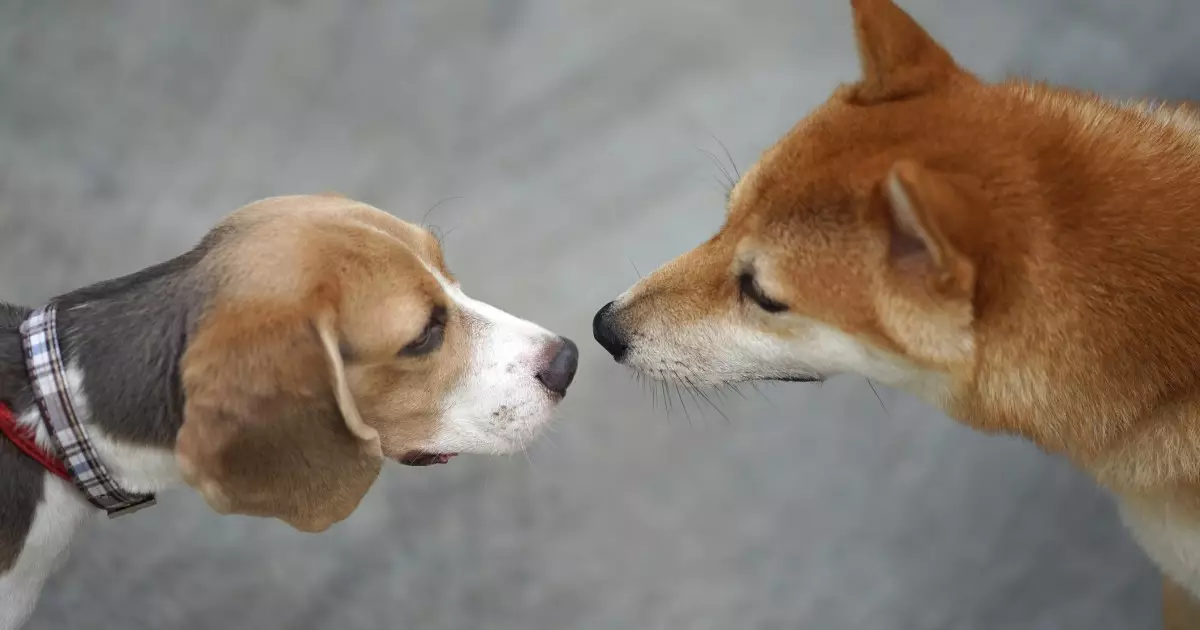
Socialization is one of the most important influences on a dog’s behavior, confidence, and long-term emotional health. When done correctly, socialization helps dogs feel safe in the world they live in—around people, other dogs, new environments, sounds, and situations. When it’s missed or handled poorly, the result is often fear, anxiety, reactivity, or aggression that could have been prevented.
Dog owners often ask the same core question: Why is socialization so important for dogs, and how do I do it the right way? The short answer is that socialization shapes how your dog interprets the world. The longer answer—and the one that truly helps—requires understanding timing, technique, and common mistakes that many well-meaning owners make.
This guide explains what socialization really is, why it matters at every life stage, how it affects behavior, and how to socialize your dog safely and effectively—whether you’re raising a puppy or working with an adult dog.
What Socialization Really Means (and What It Doesn’t)
Socialization is often misunderstood. It does not mean forcing your dog to interact with everyone and everything. It does not mean overwhelming exposure or constant dog park visits.
Proper socialization means gradual, positive exposure that teaches your dog:
-
New things are safe
-
You are a reliable guide
-
They have choices and boundaries
A well-socialized dog is not necessarily outgoing or extroverted. A well-socialized dog is calm, confident, and able to cope with everyday life.
Why Socialization Is Critical to Canine Development
Dogs are not born knowing how to navigate human environments. Cars, vacuum cleaners, strangers, bicycles, children, elevators, and other dogs are not instinctively understood. Socialization teaches dogs how to interpret these things without fear.
Without socialization, dogs fill in the gaps themselves—and fear is often the default.
Benefits of Proper Socialization
Well-socialized dogs are more likely to:
-
Remain calm in unfamiliar situations
-
Recover quickly from stress
-
Communicate appropriately with other dogs
-
Avoid fear-based aggression
-
Enjoy a higher quality of life
Socialization doesn’t just prevent problems—it builds resilience.
The Critical Socialization Window in Puppies
The 3–16 Week Developmental Period
Puppies experience a unique learning window between approximately three and sixteen weeks of age. During this time, their brains are especially receptive to new experiences.
What puppies learn during this phase becomes their “normal.”
Positive exposure during this window can:
-
Reduce lifelong fear responses
-
Improve adaptability
-
Increase confidence
Negative or absent exposure can:
-
Create lasting phobias
-
Increase reactivity
-
Lead to avoidance or aggression
This doesn’t mean dogs can’t learn later—but learning is easier and more durable during this period.
Socializing Puppies Safely (Without Overdoing It)
A common mistake is trying to expose puppies to everything as quickly as possible. Quality matters far more than quantity.
What Good Puppy Socialization Looks Like
-
Short, positive experiences
-
Calm exposure, not forced interaction
-
Treats and praise paired with new stimuli
-
The puppy remains under threshold (not panicked)
Examples include:
-
Watching people from a distance
-
Hearing traffic sounds at low volume
-
Meeting calm, vaccinated dogs
-
Walking on different surfaces
If a puppy appears fearful, the experience should be adjusted—not pushed through.
Human Socialization: Teaching Dogs to Trust People
Dogs that are not properly socialized to humans may become fearful, shy, or defensive.
Why Human Exposure Matters
Dogs should learn that people come in many forms:
-
Different ages
-
Different genders
-
Different appearances
-
Different movement patterns
Without this exposure, unfamiliar people can trigger stress or aggression later in life.
How to Socialize Dogs to People
-
Let the dog approach at their own pace
-
Avoid forcing petting or holding
-
Reward calm behavior around people
-
Keep interactions brief and positive
A dog does not need to love everyone. They need to feel safe around people.
Canine-to-Canine Socialization: More Than Just Play
Dogs communicate primarily through body language. Socialization with other dogs teaches them how to:
-
Read calming signals
-
Respond to corrections appropriately
-
Engage in healthy play
-
Disengage when needed
Why Dog-Dog Social Skills Matter
Dogs lacking canine social skills may:
-
Misinterpret play
-
Escalate conflicts
-
Become reactive or defensive
Proper socialization teaches dogs that not every interaction is a threat—and not every dog wants to play.
Structured vs. Unstructured Dog Interactions
Not all dog interactions are beneficial.
Structured Interactions (Recommended)
-
Puppy classes
-
Supervised playgroups
-
One-on-one meetings with stable dogs
These allow learning without chaos.
Unstructured Interactions (Use Caution)
-
Crowded dog parks
-
Uncontrolled greetings
-
Large groups of unfamiliar dogs
Poor experiences during these encounters can undo good socialization work.
Socialization Beyond Dogs and People
Dogs must also learn to cope with environments.
Environmental Socialization Includes:
-
Sounds (traffic, thunder, appliances)
-
Surfaces (gravel, tile, grass, stairs)
-
Objects (umbrellas, strollers, bikes)
-
Locations (vets, groomers, stores)
Exposure should be gradual and paired with positive reinforcement.
Socialization and Fear: Understanding Thresholds
A dog’s threshold is the point at which they become overwhelmed.
Effective socialization happens below threshold.
Signs a dog is over threshold include:
-
Freezing
-
Trembling
-
Excessive panting
-
Avoidance
-
Growling or barking
When these signs appear, learning stops. The goal is to create experiences where the dog remains curious, not fearful.
Socialization for Adult Dogs: Is It Too Late?
No—but it requires a different approach.
Adult dogs can absolutely learn new coping skills. The process is slower and must be more intentional.
Adult Dog Socialization Focuses On:
-
Desensitization
-
Counterconditioning
-
Trust-building
-
Predictability
Progress should be measured in comfort, not enthusiasm.
Common Socialization Mistakes Dog Owners Make
Forcing Interactions
Well-meaning owners often push dogs into situations they’re not ready for. This can backfire badly.
Confusing Exposure With Flooding
Flooding overwhelms the dog. Socialization builds confidence gradually.
Ignoring Body Language
Dogs communicate discomfort subtly at first. Missing early signals leads to escalation.
Assuming One Bad Experience Doesn’t Matter
For sensitive dogs, a single negative event can have lasting impact.
The Role of Training in Socialization
Training and socialization work best together.
Basic obedience:
-
Builds communication
-
Increases predictability
-
Gives dogs coping tools
Training doesn’t replace socialization—but it supports it.
Socialization, Anxiety, and Aggression
Many behavior problems stem from poor or incomplete socialization.
Fear-Based Aggression
Dogs often display aggression not because they are “bad,” but because they are afraid.
Socialization teaches dogs:
-
They don’t need to defend themselves
-
The world is manageable
Separation Anxiety and Social Confidence
Well-socialized dogs tend to handle separation better because they are more adaptable and resilient.
When to Seek Professional Help
If your dog shows:
-
Extreme fear
-
Aggression
-
Panic responses
-
Shutdown behavior
A qualified behavior professional can help create a safe, structured plan.
Early intervention prevents escalation.
Socialization Is a Lifelong Process
Socialization doesn’t stop after puppyhood.
Dogs benefit from:
-
Continued exposure
-
New experiences
-
Ongoing positive reinforcement
A dog’s world should expand slowly over time, not shrink.
Frequently Asked Questions About Dog Socialization
Can a dog be over-socialized?
Yes. Too much stimulation without rest can increase stress.
Is dog daycare good for socialization?
It depends on the facility and the dog. Not all dogs benefit from group settings.
Should shy dogs be pushed to socialize?
No. Confidence grows through choice and safety, not pressure.
Does socialization guarantee a friendly dog?
No. It supports emotional stability, not personality changes.
Final Thoughts: Socialization Shapes a Dog’s Entire Life
Socialization is not a checklist—it’s a relationship-building process. It teaches dogs how to exist comfortably in a human world while trusting their owners to guide them safely.
When done thoughtfully, socialization:
-
Prevents behavior problems
-
Builds emotional resilience
-
Strengthens the human–dog bond
A well-socialized dog is not fearless. They are confident enough to cope—and that confidence lasts a lifetime.
