
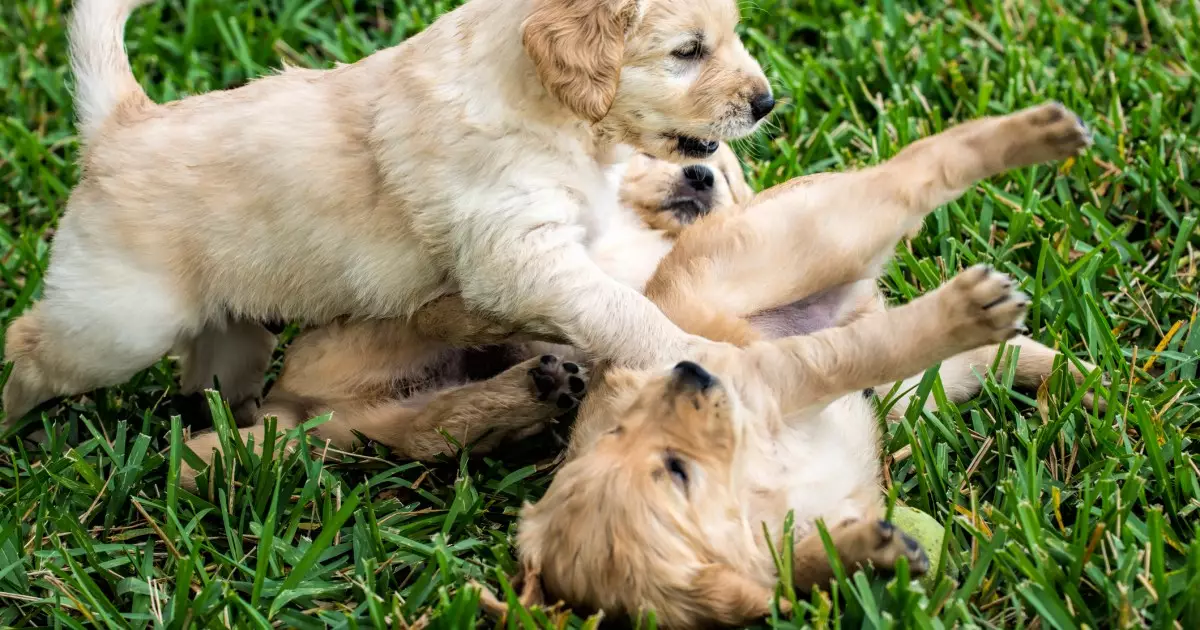
Understanding the difference between dog play and dog fighting is one of the most important skills a dog owner can develop. Playful roughhousing can look intense, loud, and chaotic, yet still be healthy and positive. At the same time, true aggression can escalate quickly and lead to injury if warning signs are missed. The challenge lies in recognizing what’s normal, what’s concerning, and when human intervention is necessary.
In this guide, we’ll break down how dogs communicate during play, how fighting behavior develops, and how to confidently tell the difference. By learning to read canine body language, vocalizations, and play patterns, you can protect your dog while still allowing them to enjoy safe, enriching social interactions.
Why Dog Play Often Looks Like Fighting
Dogs do not play the way humans do. Their play behaviors are rooted in instinctive actions tied to hunting, chasing, and physical competition. As a result, healthy play can include behaviors that look alarming at first glance.
Common play behaviors include:
-
Wrestling and body slamming
-
Mouthing or mock biting
-
Growling and barking
-
Chasing and being chased
-
Pinning or rolling
These behaviors mirror components of real conflict, which is why context—not isolated actions—is everything.
The Purpose of Play in Dogs
Play is not random or meaningless. It serves several critical developmental and emotional functions.
Social Skill Development
Through play, dogs learn:
-
Bite inhibition
-
How to read body language
-
When to escalate or disengage
-
How to resolve minor conflicts
Dogs that lack healthy play experiences often struggle with social interactions later in life.
Emotional Regulation
Play allows dogs to practice controlling arousal. They learn how to get excited without losing control, an essential skill for living safely around other dogs and people.
Physical and Mental Enrichment
Play provides exercise, mental stimulation, and stress relief. Dogs deprived of play are more prone to frustration-related behaviors.
The Golden Rule: Consent and Reciprocity
The clearest indicator of healthy dog play is mutual consent.
In healthy play:
-
Both dogs willingly engage
-
Roles switch back and forth
-
Breaks happen naturally
-
Both dogs reinitiate play
If one dog tries to disengage and the other ignores those signals, the interaction is no longer balanced.
Key Signs of Healthy Dog Play
Loose, Wiggly Body Language
Playful dogs move fluidly. Their bodies look relaxed, not stiff. You’ll often see exaggerated movements, bouncy steps, and curved bodies rather than straight, rigid posture.
Role Reversals
One dog may chase, then be chased. One dog may pin, then roll over. This back-and-forth exchange shows cooperation, not competition.
Self-Handicapping
Larger or stronger dogs often restrain themselves during play by:
-
Lying down
-
Rolling onto their back
-
Using gentler mouth pressure
This behavior demonstrates social awareness and playfulness.
The Play Bow
A play bow—front legs lowered, rear end up—is a clear signal that the dog’s intentions are friendly. Dogs often use play bows to restart play after rough moments.
Play Face
A relaxed, open mouth with soft eyes is typical during play. It may resemble a grin and is very different from a tense, closed mouth or snarling expression.
Understanding Play Growling and Play Biting
Growling During Play
Not all growling is aggressive. During play, growls tend to:
-
Rise and fall in pitch
-
Occur alongside loose body movement
-
Stop when play pauses
Aggressive growling is lower, more sustained, and paired with stiffness.
Mouthing vs. Biting
Play mouthing involves controlled pressure. Dogs intentionally avoid causing pain. If yelps occur and play immediately pauses or softens, that’s a sign of good bite inhibition.
When Play Starts to Cross the Line
Healthy play can shift into conflict if arousal becomes too high or communication breaks down.
Warning signs include:
-
One dog repeatedly trying to escape
-
Stiff, frozen body posture
-
Hackles raised for extended periods
-
Hard staring
-
Snapping instead of mouthing
-
Ignoring disengagement signals
When these signs appear, play is no longer mutual.
How Dog Fighting Behavior Differs From Play
Dog fights are not symmetrical or cooperative. They are driven by fear, resource guarding, territorial instincts, or learned aggression.
Body Language in Dog Fighting
-
Rigid, upright posture
-
Tense facial muscles
-
Ears pinned back or forward stiffly
-
Tail held high and rigid or tucked tightly
-
No role reversals
Vocalizations in Fighting
-
Deep, sustained growling
-
Snarling with bared teeth
-
Sudden silence followed by explosive action
Intensity and Escalation
Fights escalate quickly and do not include breaks. Once engaged, dogs may struggle to disengage without intervention.
Why Some Dogs Escalate From Play to Fighting
Several factors increase the risk of escalation.
Overstimulation
Highly aroused dogs may lose impulse control, especially during fast-paced chasing or wrestling.
Poor Socialization
Dogs that missed early social experiences may misread signals or respond defensively.
Size or Strength Mismatch
Large differences in size or power can overwhelm one dog, even during play.
Resource Guarding
Toys, food, space, or people can trigger conflict if play occurs too close to valued resources.
Stress and Fatigue
Tired or stressed dogs have lower tolerance and may react aggressively to normal play behaviors.
The Role of Breed and Play Style
Different breeds often have different play styles.
-
Herding breeds may nip or stalk
-
Terriers may engage in intense wrestling
-
Sighthounds often prefer chasing games
-
Bully breeds may use full-body play
Differences in play style don’t mean incompatibility, but they do require supervision.
Puppies vs. Adult Dogs: What’s Normal?
Puppy Play
Puppies are still learning boundaries. Rough play, clumsiness, and frequent pauses are normal. Adult dogs often correct puppies through growls or brief disengagement.
Adult Dog Play
Adult play tends to be more controlled. Sudden changes in behavior among adult dogs should be taken seriously.
The Importance of Monitoring Dog Play
Supervision is essential, especially in group settings like dog parks.
Good supervision means:
-
Watching body language, not just behavior
-
Interrupting escalating arousal early
-
Calling breaks before conflict starts
Interruptions don’t have to be harsh. Calm redirection works best.
How to Safely Interrupt Rough Play
If play becomes too intense:
-
Call dogs apart using calm voices
-
Use leashes or barriers if needed
-
Avoid grabbing collars during high arousal
-
Allow a short break before resuming
Never punish dogs for growling—growling is communication.
Teaching Dogs to Take Play Breaks
Dogs can learn to regulate play with guidance.
Helpful strategies:
-
Practice recall during play
-
Reward calm check-ins
-
Use brief time-outs to reset arousal
Breaks help dogs stay in a healthy emotional range.
Dog Parks: High Risk, High Reward
Dog parks can be beneficial but carry risks.
Safer Dog Park Practices
-
Visit during off-peak hours
-
Avoid crowded or chaotic environments
-
Leave if play becomes tense
-
Know your dog’s play preferences
Dog parks are optional—not necessary—for social fulfillment.
When to Seek Professional Help
Consult a qualified trainer or behavior professional if:
-
Your dog frequently escalates play
-
Aggression appears unpredictable
-
Injuries occur
-
Your dog avoids other dogs entirely
Early intervention prevents long-term issues.
Common Myths About Dog Play and Fighting
“Growling Always Means Aggression”
False. Context matters.
“Dogs Will Work It Out Themselves”
Not always. Human guidance is sometimes necessary.
“Stopping Play Will Ruin Socialization”
False. Safe boundaries improve social skills.
Frequently Asked Questions
How can I tell if my dog is playing or fighting?
Look for loose body language, role reversals, and mutual engagement. Stiffness and one-sided pursuit signal trouble.
Should I let dogs growl during play?
Yes, if body language remains relaxed and both dogs are engaged.
Is pinning always aggressive?
No. Pinning during play is common when roles switch and consent is clear.
When should I intervene?
Intervene if one dog cannot disengage, if body language stiffens, or if arousal escalates without breaks.
Final Thoughts: Confidence Comes From Understanding
Understanding the fine line between dog play and dog fighting is not about eliminating rough play—it’s about recognizing healthy communication versus emotional overload. Dogs are expressive, physical, and social by nature. When we learn to read their signals accurately, we can support safe interactions without unnecessary fear or restriction.
Healthy play builds confidence, trust, and joy. Your role as a dog parent is not to stop play, but to guide it—ensuring that every interaction remains safe, consensual, and positive. When you understand what your dog is truly saying, you empower them to enjoy the rich social life they were meant to have.
