
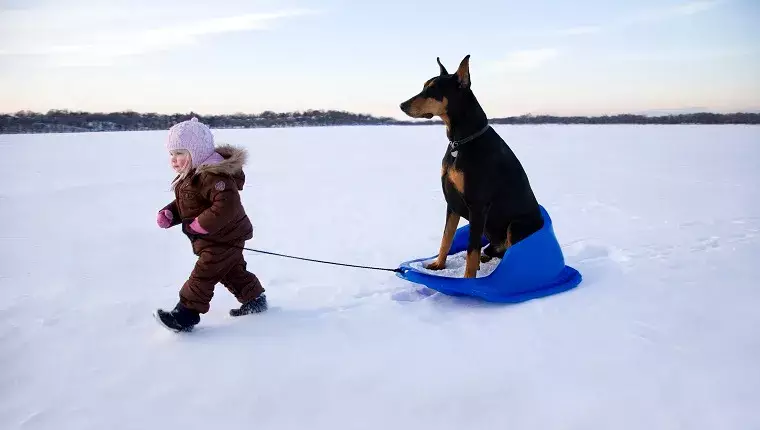
Winter Wonderland Adventures: The Best Winter Activities for Dogs to Keep Them Happy and Engaged
Winter activities for dogs don’t have to be boring, limited, or confined indoors. In fact, snowy weather can unlock some of the most enriching, playful, and bonding experiences you’ll ever share with your dog—if you approach it thoughtfully. From snow-based games to enrichment challenges and safety-conscious outdoor fun, winter offers a powerful opportunity to meet your dog’s physical and mental needs while strengthening your relationship.
Whether your dog loves bounding through fresh powder or prefers short bursts of outdoor excitement followed by cozy downtime, this guide walks you through safe, engaging, and genuinely enjoyable winter activities that work for different breeds, ages, and energy levels.
Why Winter Activities Matter for Your Dog
Cold weather often disrupts routines. Shorter days, icy sidewalks, and freezing temperatures can limit walks and outdoor play, leading to pent-up energy and boredom. Without proper outlets, dogs may develop:
- Restlessness or hyperactivity
- Destructive behaviors
- Anxiety or frustration
- Weight gain
- Reduced mental stimulation
That’s why intentional winter activities are so important. Dogs still need exercise, novelty, and connection—even when the temperature drops.
The good news? Winter offers unique enrichment opportunities that don’t exist during warmer months. Snow adds new textures, scents, and challenges that stimulate your dog’s brain while keeping play fresh and exciting.
Before You Start: Winter Safety Basics for Dogs
Before jumping into snowy fun, a few safety fundamentals matter:
- Know your dog’s tolerance for cold. Short-haired, small, senior, and brachycephalic breeds may need shorter sessions.
- Check paws often. Ice, salt, and packed snow can cause irritation or cracking.
- Avoid frozen ponds or lakes. Ice thickness is unpredictable.
- Watch for shivering or stiffness, signs your dog may be too cold.
- Dry your dog thoroughly after outdoor play to prevent skin irritation.
If your dog has arthritis, heart conditions, or mobility issues, consult your veterinarian before introducing new winter activities.
1. Snowball Fetch (Without the Risk)
One of the simplest and most joyful winter activities for dogs is a snow-based version of fetch.
Instead of throwing snow directly at your dog, which can be unpleasant or confusing, gently toss compact snowballs or brightly colored toys into the snow. Many dogs love pouncing, digging, and searching as the object disappears beneath the surface.
How to make it engaging:
- Use high-contrast toys so your dog can find them easily
- Toss short distances to avoid overexertion
- Encourage searching by saying “find it”
- Rotate between snowballs and toys
This taps into your dog’s prey drive and problem-solving instincts while keeping play safe and lighthearted.
2. Scent Games in the Snow (Mental Stimulation Gold)
Snow actually enhances scent-based activities. Cold air preserves scent trails longer, making sniffing games especially rewarding.
Try a simple scent hunt:
- Hide treats or toys along a familiar path
- Lightly bury them under snow
- Encourage your dog to sniff them out
Scent work engages your dog’s brain more intensely than physical exercise alone and helps reduce stress. Ten minutes of sniffing can be as tiring as a long walk.
You can increase difficulty by:
- Hiding items behind snowbanks
- Creating multiple scent trails
- Using different reward types
This is one of the best winter activities for dogs who can’t handle long outdoor sessions.
3. Build a Backyard Snow Maze or Trail
If you have access to a yard, creating a simple snow maze can provide hours of enrichment.
Use a shovel to carve winding paths or tunnels through the snow. Dogs love navigating these routes, chasing you through them, or exploring independently.
Benefits of a snow maze:
- Encourages exploration
- Builds coordination
- Provides low-impact exercise
- Prevents boredom
You can enhance the experience by hiding treats at turns or placing toys at the end of paths. Let your dog problem-solve and explore at their own pace.
4. Snowman Destruction (Controlled and Safe)
Dogs love interactive chaos — and knocking over a snowman can be surprisingly satisfying.
Build a small snow figure and allow your dog to investigate, pounce, or dismantle it. This taps into natural play instincts without damaging property or furniture.
Safety tips:
- Avoid using rocks, sticks, or hard decorations
- Skip buttons, beads, or anything swallowable
- Supervise closely
This activity encourages playful movement, curiosity, and confidence.
5. Sledding and Sliding (When Conditions Allow)
Some dogs genuinely enjoy sledding or sliding down gentle slopes. Others prefer running alongside or chasing a sled.
Safe ways to try sled play:
- Choose shallow, controlled slopes
- Avoid icy or steep hills
- Use a harness, not a collar
- Never force participation
Some dogs love hopping onto a sled for short rides, while others enjoy racing beside it. Let your dog decide how they want to participate.
6. Snow Walks With Purpose
Winter walks don’t have to be shorter—they just need to be more intentional.
Instead of focusing on distance, focus on enrichment:
- Let your dog sniff more
- Change routes frequently
- Stop for mini training moments
- Use varied terrain
Snow transforms familiar paths into entirely new sensory landscapes. Each step carries new smells, textures, and information.
This makes winter walks especially valuable for mental stimulation.
7. Snow Angels and Interactive Play
Lying in the snow and making snow angels may seem silly, but dogs often love the interaction.
Many will pounce, roll, or mimic movements, turning a quiet moment into playful engagement. These spontaneous interactions help strengthen emotional bonds and build trust.
Shared play—especially when you’re physically involved—reinforces that you’re part of your dog’s fun, not just the rule-setter.
8. Indoor Winter Activities for Extreme Cold Days
When temperatures drop too low for outdoor play, indoor enrichment becomes essential.
Productive indoor activities include:
- Puzzle feeders
- Frozen treat toys
- Hide-and-seek games
- Obedience refreshers
- Trick training
- Tug games
Mental work can tire a dog as effectively as physical exercise. Rotate activities to prevent boredom and maintain novelty.
9. Gear That Makes Winter Play Safer
While not mandatory, the right gear can extend playtime safely:
- Insulated dog coats for short-haired breeds
- Paw wax or booties to protect from ice and salt
- Reflective collars or vests for low-light visibility
- Towels for drying afterward
Comfort directly affects enjoyment. A warm, dry dog is far more willing to engage.
10. Reading Your Dog’s Winter Signals
Every dog has a different tolerance level. Learn to recognize signs that it’s time to head inside:
- Shivering
- Lifting paws repeatedly
- Slowing down
- Whining
- Tucked tail
- Reluctance to move
Respond early. Ending on a positive note builds trust and keeps winter activities enjoyable.
Why Winter Play Strengthens Your Bond
Shared experiences deepen connection. When you engage your dog in winter activities, you’re not just filling time — you’re communicating attention, care, and companionship.
Dogs remember how they feel around you. When winter becomes associated with fun, safety, and engagement, your bond grows stronger.
These moments build trust that carries into training, daily routines, and emotional resilience.
Frequently Asked Questions
How long should dogs play outside in winter?
It depends on breed, size, coat, and temperature. Many dogs tolerate 15–45 minutes comfortably. Always monitor for signs of cold stress.
Are winter activities safe for puppies?
Yes, in short, supervised sessions. Puppies have limited temperature tolerance, so keep play brief and controlled.
Can dogs get frostbite?
Yes, especially on ears, tails, and paws. Limit exposure and dry thoroughly after outdoor time.
Do dogs need winter boots?
Not always, but booties help protect paws from salt, ice, and chemical deicers.
What if my dog hates snow?
That’s okay. Focus on indoor enrichment, scent games, and gentle play instead.
Final Thoughts: Turning Winter Into a Season of Connection
Winter doesn’t have to mean boredom or cabin fever. With creativity, awareness, and a little planning, it can become one of the most enriching seasons for your dog.
From snow games and scent trails to quiet bonding moments indoors, winter offers countless ways to deepen your relationship. Every paw print in the snow becomes part of a shared story—one built on trust, play, and presence.
When you meet winter with curiosity instead of hesitation, your dog will follow your lead, tail wagging, ready for the next adventure.

- Empowering Solutions for Involuntary Urination in Dogs - January 1, 2026
- Unleashing the Power of Farm Dogs: The Unsung Heroes of the Countryside - January 1, 2026
- The Unforgettable Charm of Animated Dog Movies: A Journey of Friendship and Adventure - January 1, 2026