
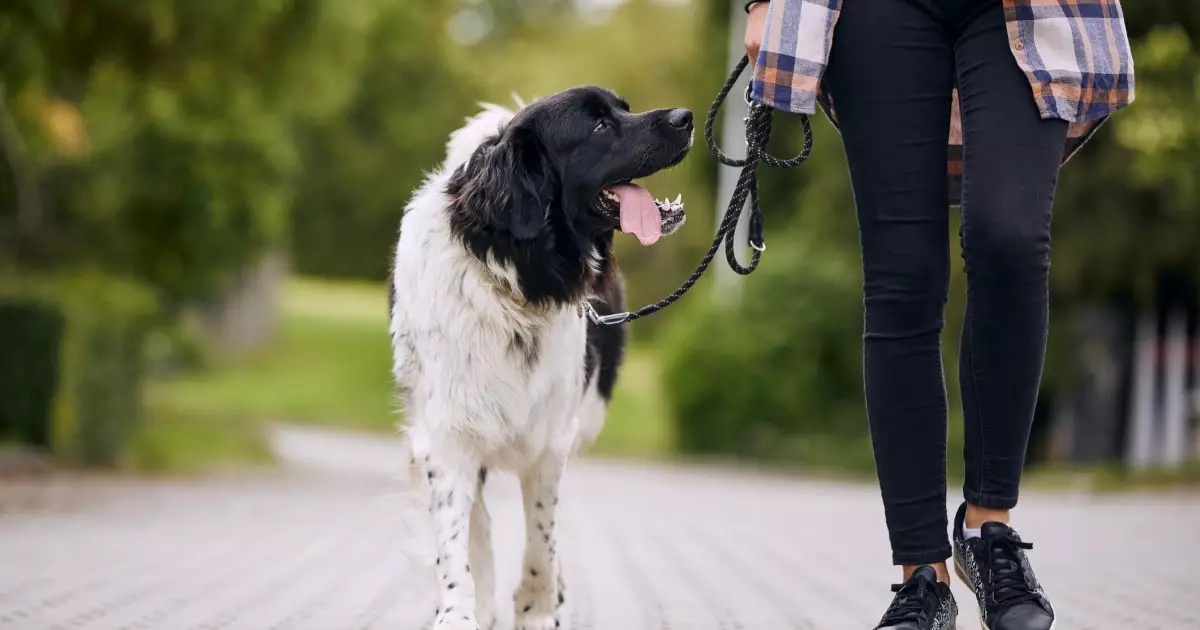
How often should you walk your dog? This is one of the most common — and most important — questions dog owners ask. The short answer is: it depends on your dog’s age, breed, health, and energy level. Some dogs need multiple long walks every day to stay balanced and calm, while others thrive on shorter, gentler outings. Understanding the right walking frequency helps prevent behavior problems, supports physical health, and strengthens your bond.
This guide breaks down exactly how often to walk your dog, how long those walks should be, and how to adjust routines for puppies, adult dogs, seniors, and different breed types. You’ll also learn what signs to watch for, how to handle busy schedules, and when professional advice is needed.
Why Walking Your Dog Matters More Than You Think
Walking is not just bathroom time. It serves several essential purposes at once:
- Maintains healthy weight and muscle tone
- Supports joint and cardiovascular health
- Provides mental stimulation through scent exploration
- Reduces boredom and destructive behavior
- Encourages socialization
- Strengthens the human–dog bond
Dogs that don’t get adequate daily movement are more likely to develop anxiety, hyperactivity, obesity, and behavior problems. Walking fulfills both physical and psychological needs in a way few indoor activities can replace.
How Often Should You Walk Your Dog Each Day?
For most dogs, one to two structured walks per day is the baseline. However, that number changes depending on several key factors:
- Breed and genetic background
- Age and life stage
- Energy level
- Health conditions
- Lifestyle and environment
Below is a detailed breakdown to help you determine the right frequency.
Walking Frequency by Dog Breed Type
Breed genetics strongly influence exercise needs. Dogs were originally bred for specific jobs, and those instincts still shape how much activity they require.
High-Energy Breeds (2–3+ walks daily)
These dogs were bred for endurance, work, or herding and often need structured exercise beyond casual walks.
Common examples:
- Border Collies
- Australian Shepherds
- Siberian Huskies
- Belgian Malinois
- Labrador Retrievers
- German Shepherds
Recommended routine:
- Two long walks daily (30–60 minutes each)
- Additional play or training sessions
- Mental stimulation through games or scent work
Without sufficient activity, these dogs may develop destructive or anxious behaviors.
Moderate-Energy Breeds (1–2 walks daily)
These dogs enjoy activity but don’t require constant motion.
Examples:
- Beagles
- Boxers
- Cocker Spaniels
- Poodles
- Mixed-breed dogs
Recommended routine:
- One or two daily walks
- Moderate pace
- Optional playtime or training sessions
They thrive with consistency rather than intensity.
Low-Energy Breeds (1–2 short walks daily)
These dogs have lower stamina and are often content with gentle movement.
Examples:
- Bulldogs
- Shih Tzus
- Pugs
- Basset Hounds
Recommended routine:
- Two short walks (10–20 minutes)
- Slow pace
- Avoid excessive heat or long distances
Overexertion in these breeds can cause breathing or joint issues.
Walking Needs by Age Group
Age plays just as important a role as breed when determining walking frequency.
Puppies: Short, Frequent Walks
Puppies have energy bursts but limited endurance. Their bones and joints are still developing, so overexertion can cause long-term damage.
General guidelines:
- Multiple short walks per day
- 5 minutes per month of age per walk (up to twice daily)
- Focus on exploration, training, and socialization
Example:
A 4-month-old puppy should walk about 20 minutes at a time.
Puppy walks are less about distance and more about:
- Exposure to sights and sounds
- Learning leash manners
- Building confidence
Adult Dogs: Consistent Daily Exercise
Most adult dogs do best with:
- 1–2 daily walks
- 30–60 minutes total, depending on breed
Adult dogs benefit from routine. Predictable walking times help regulate energy, digestion, and behavior.
Senior Dogs: Gentle but Frequent Walks
Older dogs still need movement, even if mobility has declined.
Recommended approach:
- Short, slow walks
- More frequent outings
- Flat surfaces
- Plenty of rest breaks
Senior dogs benefit from movement that keeps joints flexible and prevents stiffness. Avoid pushing them beyond their comfort zone.
How Long Should Each Walk Be?
Walking duration depends on fitness level and health, not just breed.
General time guidelines:
- Small or low-energy dogs: 15–30 minutes
- Medium-energy dogs: 30–45 minutes
- High-energy dogs: 45–90 minutes (split into sessions)
Pay attention to your dog’s behavior during walks:
- Lagging behind
- Excessive panting
- Stopping frequently
- Limping
These are signs your dog may be tired or uncomfortable.
Signs Your Dog Needs More Walks
Some behavioral issues are actually symptoms of insufficient exercise.
Watch for:
- Destructive chewing
- Excessive barking
- Restlessness
- Zoomies indoors
- Weight gain
- Difficulty settling
Increasing structured walks often improves these issues dramatically.
Signs Your Dog Is Getting Too Much Exercise
Too much walking can also cause harm, especially in puppies or seniors.
Warning signs include:
- Limping
- Joint stiffness
- Excessive fatigue
- Reluctance to walk
- Changes in behavior
If these occur, reduce activity and consult a veterinarian.
Mental Exercise Matters Just as Much as Physical Exercise
Walking isn’t only about movement. It’s about mental engagement.
Allow your dog to:
- Sniff freely
- Explore new routes
- Pause and observe
Sniffing lowers stress and provides cognitive enrichment. A slower “sniff walk” can be more tiring than a fast-paced walk.
Supplement walking with:
- Puzzle toys
- Training sessions
- Scent games
- Hide-and-seek
Mental stimulation reduces boredom and complements physical activity.
What If You Don’t Have Time to Walk Your Dog Enough?
Busy schedules are common, but dogs still need daily movement. If time is limited, consider these options:
Hire a dog walker
A professional dog walker can provide consistent mid-day exercise.
Enlist help
Friends, neighbors, or family members may be happy to help.
Doggy daycare
Daycare offers structured play, supervision, and socialization.
Break walks into shorter sessions
Two 15-minute walks can be just as beneficial as one longer walk.
Weather Considerations for Walking Your Dog
Hot weather
- Walk early morning or evening
- Avoid hot pavement
- Carry water
- Watch for overheating
Cold weather
- Protect paws from ice and salt
- Use coats for short-haired or small breeds
- Keep walks shorter if temperatures drop significantly
Weather should influence timing, not eliminate walks entirely.
When to Talk to Your Veterinarian
Consult a veterinarian if:
- Your dog gains or loses weight rapidly
- Shows reluctance to walk
- Has breathing difficulty
- Has joint pain or stiffness
- Is recovering from surgery
- Has chronic illness
Your vet can help design a safe walking plan tailored to your dog’s health.
Frequently Asked Questions
How many times a day should I walk my dog?
Most dogs need 1–2 walks per day, though high-energy breeds may require more.
Is one walk a day enough?
For some low-energy or senior dogs, yes. Most adult dogs benefit from at least two.
Can backyard play replace walks?
Not entirely. Walks provide mental stimulation, social exposure, and structure that backyard play alone cannot.
Should puppies go on long walks?
No. Puppies need short, frequent walks to protect developing joints.
Do older dogs still need walks?
Yes. Senior dogs benefit from gentle, regular walks adjusted to their comfort level.
Final Thoughts: Finding the Right Balance
There is no universal rule for how often you should walk your dog. The right frequency depends on breed, age, energy, and health — as well as your lifestyle. What matters most is consistency, attentiveness, and willingness to adapt as your dog’s needs change.
A well-walked dog is typically calmer, healthier, and more content. By observing your dog closely and responding to their signals, you can create a walking routine that supports both physical health and emotional well-being.
Walking together isn’t just exercise. It’s time spent building trust, routine, and connection — one step at a time.

- Empowering Solutions for Involuntary Urination in Dogs - January 1, 2026
- Unleashing the Power of Farm Dogs: The Unsung Heroes of the Countryside - January 1, 2026
- The Unforgettable Charm of Animated Dog Movies: A Journey of Friendship and Adventure - January 1, 2026